
Positron Lands $230M Funding to Challenge NVIDIA’s AI Hardware


 2 min. read
 Published on
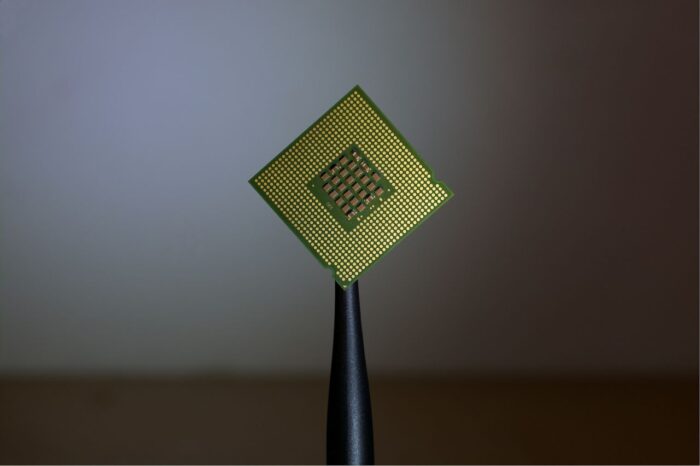
We already saw that Microsoft secured major memory supply deals to support its AI ambitions, but the competitive pressure in the AI hardware space continues to intensify as new players attract serious funding.
According to TechCrunch, Positron has raised $230 million in a Series B funding round aimed at accelerating the deployment of its high-speed memory and inference-focused AI chips. The round includes participation from the Qatar Investment Authority, reflecting Qatar’s broader strategy to build sovereign AI infrastructure and expand domestic compute capacity.
Funding signals growing demand for NVIDIA alternatives
Based in Reno and founded just three years ago, Positron has now raised slightly more than $300 million in total funding. The company previously secured $75 million last year from investors such as Valor Equity Partners, Atreides Management, DFJ Growth, Flume Ventures, and Resilience Reserve.
The timing of the investment highlights growing demand for alternatives to NVIDIA, particularly as hyperscalers and major AI developers explore options beyond traditional GPU-heavy architectures. Several large AI players, including OpenAI, have reportedly expressed dissatisfaction with certain aspects of NVIDIA’s latest AI accelerators, prompting interest in competing solutions.
Atlas targets power-efficient AI inference workloads
Positron claims its first-generation chip, Atlas, can match the performance of NVIDIA’s H100 GPU while consuming less than one-third of the power. The Atlas chips are manufactured in Arizona and focus on AI inference rather than large-scale model training, an area seeing rapid growth as companies shift from building models to deploying them at scale.
Beyond inference, Positron says its chips also perform strongly in high-frequency computing and video-processing workloads, expanding their appeal to data center operators focused on efficiency.
Meanwhile, NVIDIA continues to warn that AI demand remains intense. The company recently said TSMC may need to double chip production capacity to meet AI requirements, while also clarifying that any large investment into OpenAI would happen gradually rather than all at once.

Read our disclosure page to find out how can you help Windows Report sustain the editorial team. Read more


Improve this guide

User forum
0 messages