
CS Market Trends: Analyzing the Skin Economy


 5 min. read
  Published on
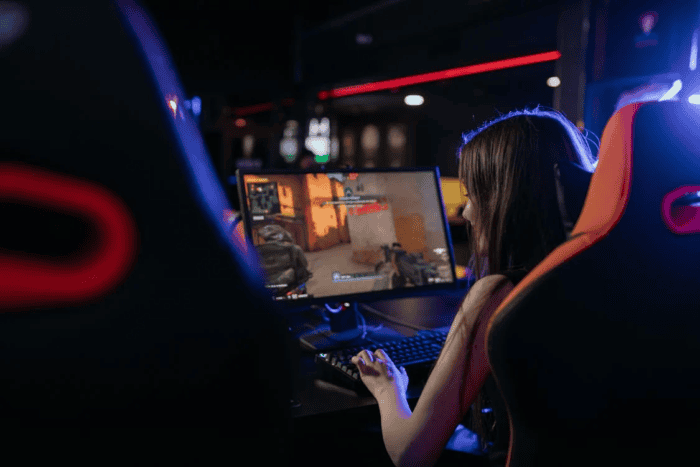
In the world of online gaming, the skin market is not just for decorating weapons or characters. Each item has its value and history. Players worldwide contribute to a vibrant in-game economy by buying, selling, and trading skins.
Prices for items can fluctuate daily. For example, a rare knife may cost hundreds of dollars, while the value of a mass-market collection can plummet after a new case is released. This is why you need to know how the CS market works. You also need to see how game updates, player activity, and major tournaments affect it.
Analyzing these factors helps you buy skins profitably and informs long-term investment decisions. This minimizes risk and increases your chances of profiting from rare items. Collectors and traders need to understand the market to stay on top of the latest trends and use them to their advantage.
Supply and Demand: New Cases and Older Skins
Each major game update introduces new cases and skin collections. Players look forward to new paint jobs, exclusive knives, and limited editions. These items immediately impact the prices of existing ones.
When a new case containing a rare, flashy series is released, the prices of many older skins tend to fall as players focus on the new release. Sometimes, skins from older collections start rising in value once players notice their uniqueness and scarcity.
Such fluctuations can easily be tracked on the DMarket website. The platform shows detailed price histories, the number of items listed for sale, and market depth. This allows you to act with confidence. To clearly see trends, it’s worth noting that:
- new cases generate interest;
- rare, older skins rise in price;
- mass releases push market levels down;
- popular items remain stable;
- limited drops increase value;
- in-game events influence demand.
The balance between supply and demand shifts with each new collection. Players and collectors should closely monitor new releases to buy skins at a good price—or sell them at the right time.
It’s especially important to pay attention to rare items. Their value can increase several times after the release of limited-edition cases or new updates.
Major Tournaments: How Big Events Move the Market
Large tournaments like Majors always boost activity in the skin market. Stacked capsules and event-specific stickers become temporarily scarce and in demand. During tournaments, players actively search for skins of their favorite teams, which increases their value.
You can monitor these changes in real time on DMarket. The platform provides data on market offers and prices for stickers and cases, both of which directly impact skin prices. Experienced traders plan their purchases around such events. They do so to maximize profits.
Additionally, tournament skins often remain popular even after the competition ends, transforming into valuable collectibles. This is especially true for rare stickers or skins autographed by professional players. They become true collectibles over time.
Investing: The Basics of Long-Term Investing
If you’re considering skins as investments, it’s important to understand a few basic principles. Don’t buy everything. Focus on hard-to-find and limited-edition skins because they can increase in value over time. Consider not only rarity but also the popularity of the collection and the price history of the items.
Here’s what people looking to make quality investments should do:
- buy rare and limited-edition skins;
- monitor the popularity of collections;
- consider the price history of items;
- avoid mass-market low-price releases;
- hold items until demand increases;
- reinvest profits in new cases.
Long-term investments require patience but can be very profitable. Skins from older collections can be worth several times more than their original price years later.
On DMarket, investors can track trends and analyze past price movements. This format helps minimize risks and plan future transactions. This approach turns skin trading into a strategic game. Success depends on attentiveness and market knowledge.
Tracking Prices: How to Be a Successful Trader
Data is the key tool for successful trading. Decisions are difficult to make in the absence of accurate information on prices, market depth, and item popularity.
DMarket offers detailed charts, trade history, and market indicators for each skin. This allows you to:
- track price changes;
- compare current and past listings;
- analyze market activity;
- plan purchases and sales;
- find the best deals;
- make informed decisions.
The platform helps both beginners and experienced traders navigate market dynamics. Using these tools, you can predict the rise or fall of skin prices, promptly list your items for sale, and avoid unprofitable trades. Essentially, DMarket makes trading simple.
Conclusion
The CS2 skin market is dynamic and complex. Prices depend on updates, the number of players, and tournaments. Players and collectors can generate returns and minimize risk by understanding supply and demand, the impact of major events, and a disciplined investment approach.
Platforms like DMarket offer transparent processes and convenient tools for price tracking and market analysis. Those who wish to stay competitive in both gameplay and trading must follow these trends if they want to succeed.


Read our disclosure page to find out how can you help Windows Report sustain the editorial team. Read more



Improve this guide


User forum
0 messages