
External Monitor Not Working with Surface Pro: 3 Ways to Fix it
Try these expert fixes to use your monitor with the Surface Pro 3


 3 min. read
  Updated on
Key notes
- The Microsoft Surface Pro is one of the best tablets from Microsoft. The Surface Pro 8 is the latest release in this line of tablets.
- Like other devices, some users have faced challenges such as issues with external monitors not working with the Surface Pro.
- Fortunately, these issues can be easily fixed without needing external help or support.
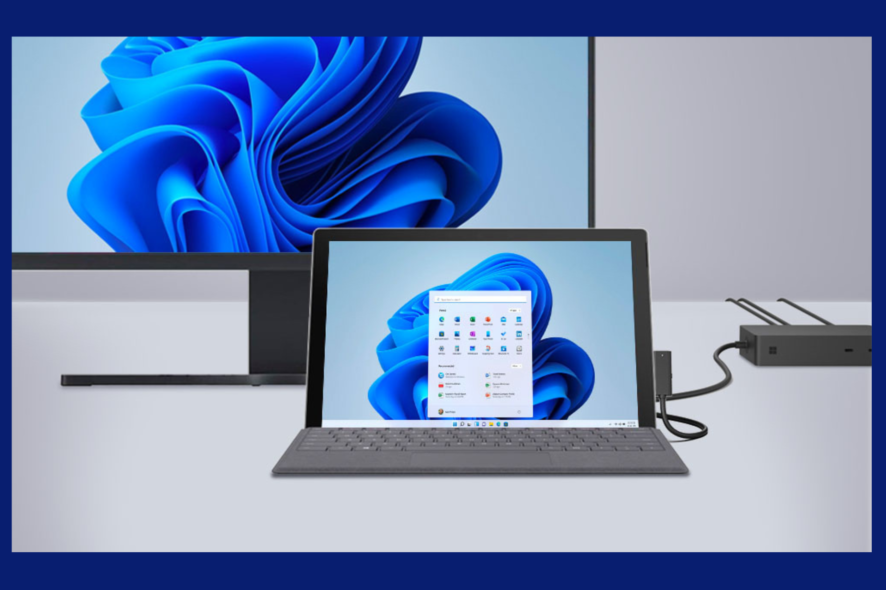
If you’re trying to connect an external monitor to your Surface Pro and nothing’s showing up, you’re not alone. It’s frustrating when your workspace won’t expand like it’s supposed to, especially when you’re counting on that extra screen for productivity or creative work.
But don’t worry, I’ve got you covered with three straightforward ways to get your external monitor working again.
How do I get my Surface Pro to work with an external monitor?
1. Clear your display cache
- Disconnect the external monitor from your Surface Pro. You can also choose to undock the Surface Pro from the Surface Dock.
- Visit the official Surface Dock registry file download site, download, and then extract the file.
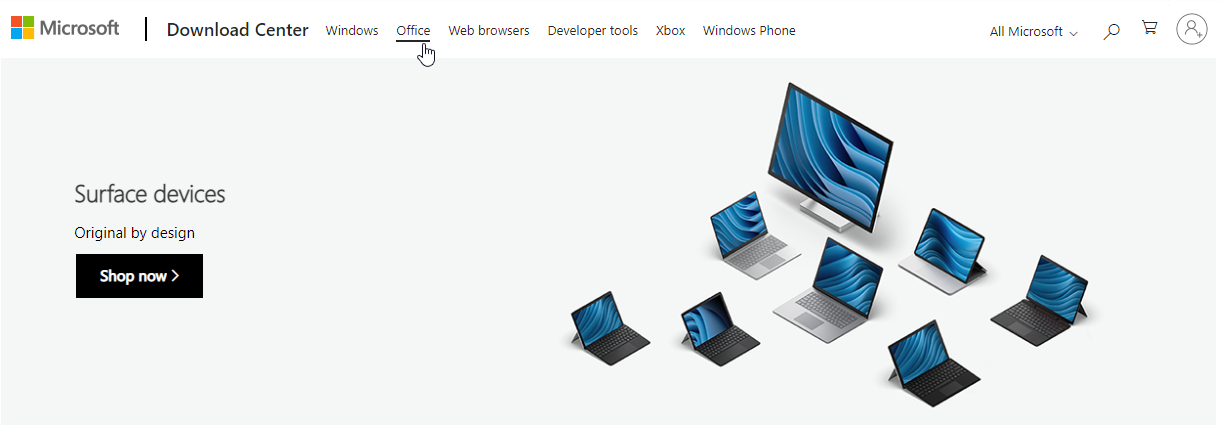
- Select and run the Surface dock registry file. Choose Yes to allow the file to change your Surface Pro device.
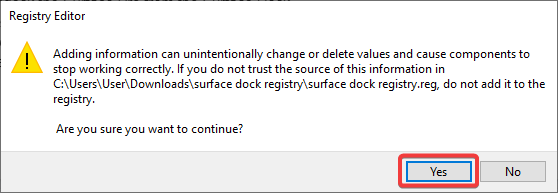
- Select Yes again to confirm your selection and tap OK to close the window.

- Restart the Surface Pro device and then reconnect the external monitor or Dock.
2. Configure your extended or duplicate settings on the Surface Pro
- Select the Windows start button and then click or tap on settings.
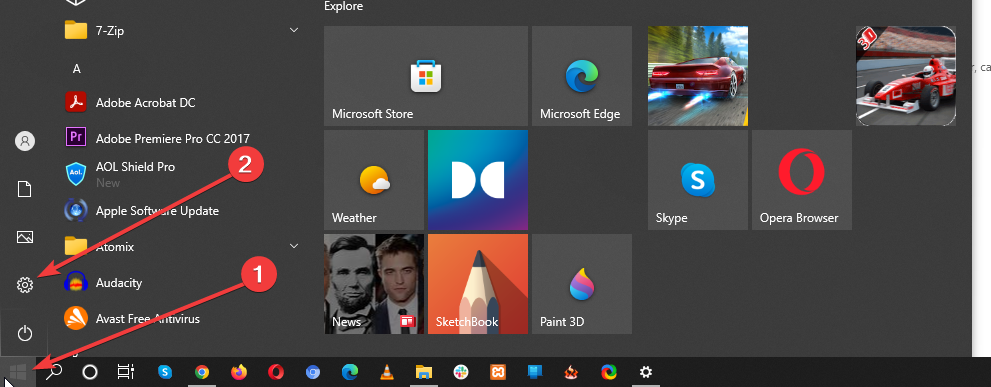
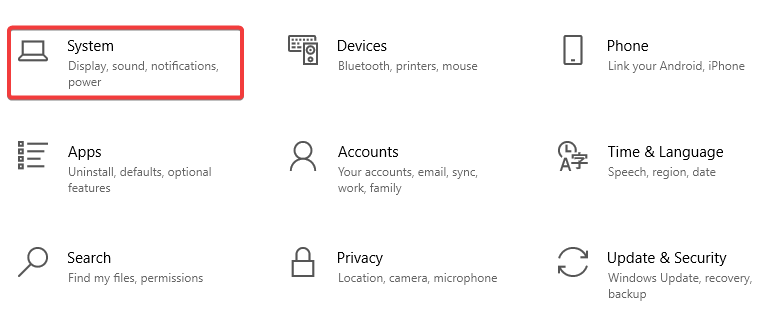
- Select System and then display.
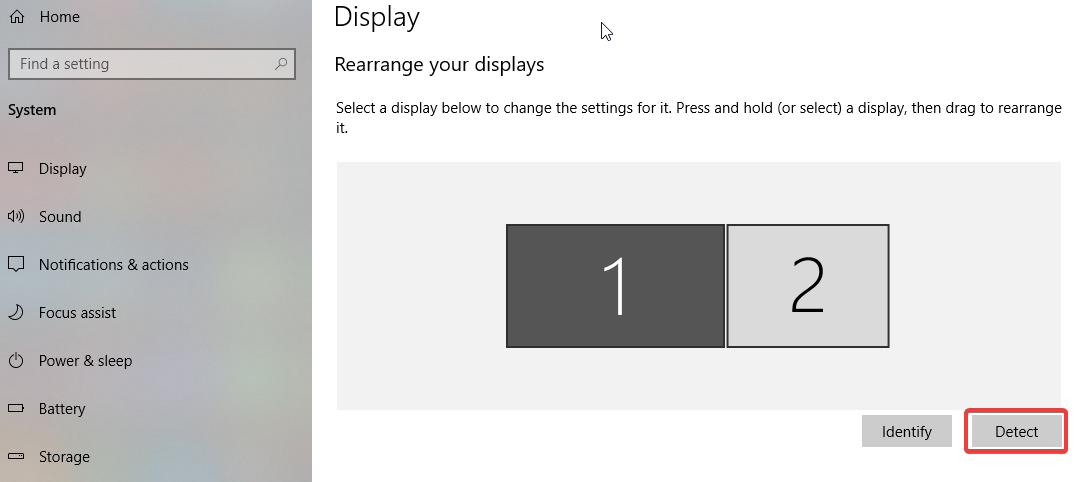
- Scroll down and select Detect. This should number the displays you have.
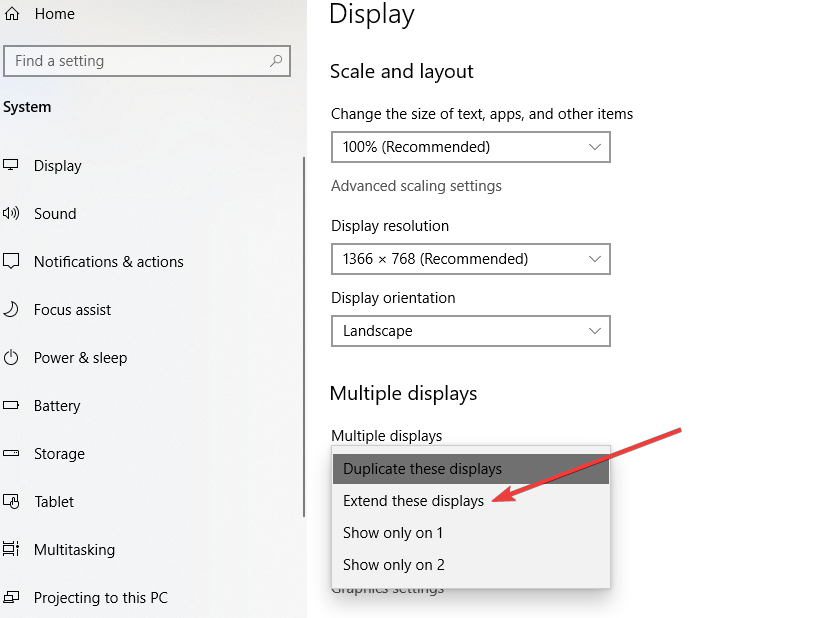
- Select Extend These Displays to use the displays differently.
- Drag and drop the screens to arrange them how you would like them to appear.
- Choose Duplicate to see the same things on your Surface Pro display and the external monitor.
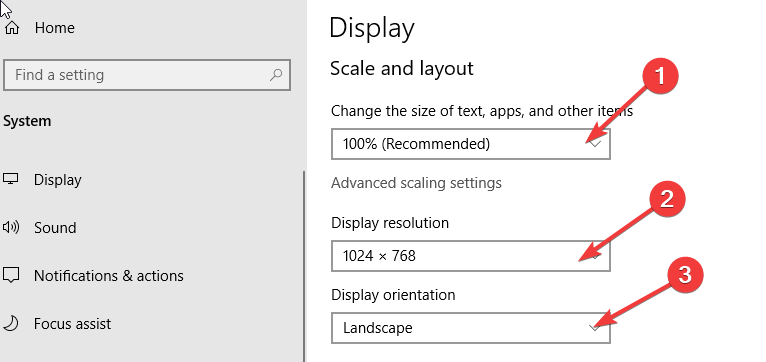
- Select the external monitor and set its resolution, orientation, and magnification.
3. Check the display adapter
- Remove the adapter if you use a USB-C to VGA Adapter, USB-C to DisplayPort Adapter, or USB-C to HDMI adapter.
- Reinsert your adapter firmly to ensure it is connected to your Surface Pro.
- Check if your external monitor supports DisplayPort and choose an HDMI, VGA, or DVI cable instead.
Why Is My External Monitor Not Working with Surface Pro?
- Connection issues: Faulty cables or adapters are the usual suspects.
- Display settings: Sometimes Windows just doesn’t detect the second screen automatically.
- Driver problems: Outdated or corrupted graphics drivers can block the connection.
Can you connect a monitor via USB-C?
Connecting a monitor via a USB-C cable depends on the monitor that you are using. So, first, you need to ensure that the monitor supports USB-C.
Since USB-C became the default input type in MacBook Pro and MacBook Air laptops, manufacturers are now building USB-C monitors.
Windows 10 machines also started converting to this port, now Windows 11. This means that as long as you have a USB-C monitor, you can connect your device to the monitor via a USB-C port.
Wrapping up
External monitors make working on your Surface Pro way easier, but connection issues can pop up. If your monitor turns off randomly or isn’t detected after sleep, this guide on random monitor shutdowns and fixes for monitors not detected after sleep can help.
Problems with docking stations are common too—check out this solution for monitors not detected through docks. And if you’re using other brands, these fixes for Dell or Chromebook monitors might come in handy.
Feel free to explore these guides for more help getting your external monitor up and running smoothly.

Read our disclosure page to find out how can you help Windows Report sustain the editorial team. Read more



Improve this guide




User forum
0 messages