
Seagate and Western Digital Fully Booked as AI Data Centers Hoard Storage


 2 min. read
  Published on
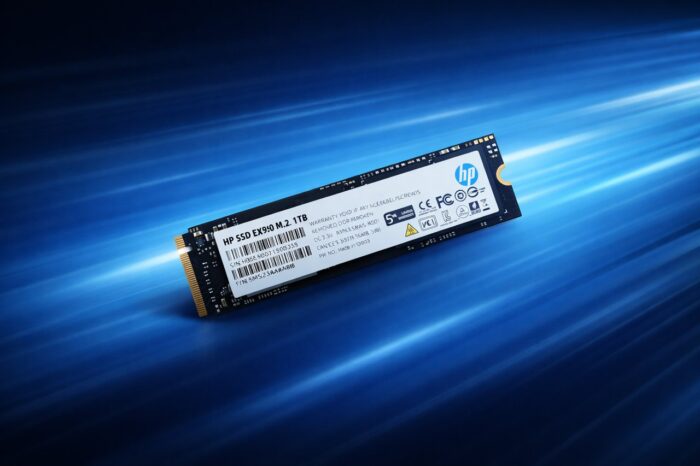
According to Neowin, Western Digital and Seagate say their high-capacity storage supply is nearly sold out just two months into the year, as AI-driven demand reshapes the storage market.
AI infrastructure locks up 2026 HDD capacity
Western Digital CEO Tiang Yew Tan confirmed that the company’s 2026 HDD production capacity is fully booked through firm purchase orders. The reserved capacity does not affect SSD production, but HDD output for the year has already been allocated.
Western Digital has also signed long-term supply agreements extending into 2027 and 2028. These deals reserve exabytes of storage in advance, leaving little room for spot market buyers.
Seagate CEO William Mosley echoed similar concerns, stating that nearline drive capacity is fully allocated. Demand visibility remains strong, with customers already planning purchases for 2027 and 2028.
Hyperscalers dominate the available supply
Major cloud providers, including Amazon Web Services (AWS), Google, Microsoft Azure, and Meta continue to build out AI infrastructure at scale. These hyperscale customers operate under restrictive supply agreements that prioritize guaranteed long-term capacity.
Supply assurance has become the top priority for cloud operators training and running AI models. As a result, most HDD output is already committed, with only limited quantities potentially reaching the open market depending on production yields.
Prices could double for high-capacity drives
With supply largely locked in, buyers outside hyperscale contracts may face steep pricing. Reports suggest that high-capacity HDDs could cost up to double their usual price due to constrained availability.
Seagate does not plan to expand manufacturing capacity. Instead, the company intends to drive growth through higher-density drives rather than increasing production volume.
The HDD crunch adds to mounting pressure across the PC hardware ecosystem. GPU prices have already climbed by around 15% globally amid tightening supply conditions.
Memory shortages may further complicate the situation. Phison’s CEO recently warned that DRAM and NAND supply constraints could persist until 2030, signaling prolonged volatility for storage and computing components.
If AI infrastructure expansion continues at its current pace, enterprise and even advanced consumer buyers could face limited availability and sustained price increases for high-capacity storage well into the decade.

Read our disclosure page to find out how can you help Windows Report sustain the editorial team. Read more



Improve this guide



User forum
0 messages