
Western Digital 2026 HDD Supply Sold Out as AI Data Centers Lock In Capacity


 2 min. read
  Published on
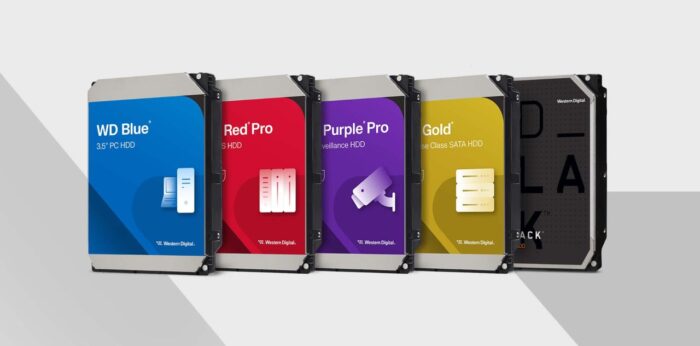
The expected DRAM and SSD price hikes may soon extend to hard drives. According to Guru3D, Western Digital’s CEO, Irving Tan revealed that the company’s 2026 HDD supply is “pretty much sold out.”
Enterprise contracts dominate WD’s 2026 production
Western Digital has already covered its 2026 production capacity through firm purchase orders from its top seven customers. Several of those customers have also secured long-term supply agreements stretching into 2027 and even 2028.
The surge comes primarily from AI and cloud data center expansion. Hyperscale operators continue to purchase storage in massive volumes, often measured in exabytes, and they lock in capacity through multi-year contracts to avoid shortages.
Enterprise and hyperscale buyers now dominate Western Digital’s overall business mix. Consumer-grade hard drives account for only about 5% of total output, making retail buyers a much smaller priority.
Why AI workloads still rely on HDDs
AI training, inference, logging, and large dataset storage significantly increase demand for bulk storage. While SSDs handle high-performance tasks, HDDs remain critical for large-scale deployments due to their lower cost per terabyte.
For hyperscalers building vast data lakes and AI clusters, spinning disks still offer the most economical way to store petabytes of information. That economic advantage keeps HDDs relevant, even as SSD adoption rises.
What this means for consumers
Drives will remain available, but popular and high-capacity models could face tighter supply. NAS builders and home-lab users may struggle to find matching drives for RAID arrays if vendors prioritize enterprise allocations.
Retail selection may shrink as manufacturers focus on models backed by reliable enterprise contracts. Discounts and seasonal deals could become less frequent, while prices stay elevated and volatile throughout 2026.
Waiting for prices to drop might not help if production remains contract-locked to hyperscale customers.
The broader storage and memory market already shows signs of strain. With ongoing RAM shortages, some manufacturers consider shifting toward Chinese-made memory, while GPU pricing also reflects pressure as RTX 5070 prices have recently surged in the U.S.
If AI-driven infrastructure growth continues at its current pace, HDDs may join DRAM and SSDs as another hardware category facing prolonged supply tension.

Read our disclosure page to find out how can you help Windows Report sustain the editorial team. Read more



Improve this guide



User forum
0 messages