
AI Memory Shortage Sends DRAM and SSD Prices to Record Highs


 3 min. read
  Published on
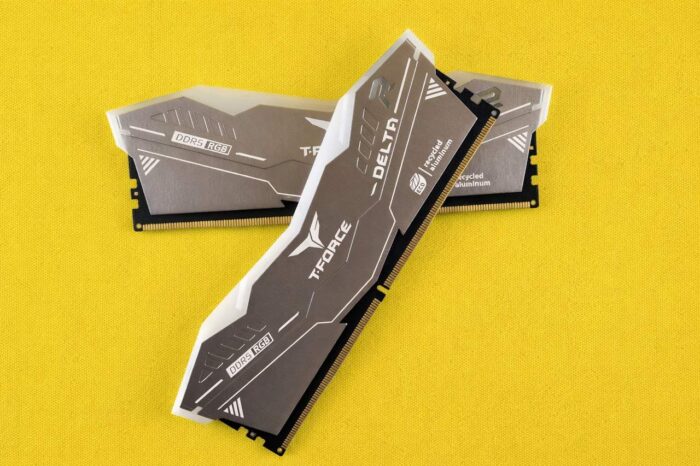
The rapid expansion of AI workloads continues to strain the global memory market, raising fresh concerns about hardware pricing across PCs, servers, and mobile devices. While Microsoft has moved to secure long-term memory supply through a deal with SK Hynix, new industry data suggests that prices will keep climbing throughout early 2026.
According to reporting from TechPowerUp, market research firm TrendForce says AI and data center demand in Q1 2026 will further worsen the global memory supply–demand imbalance. That shift strengthens suppliers’ pricing power and forces buyers into increasingly aggressive competition for limited capacity.
DRAM prices set to shatter records
TrendForce now expects conventional DRAM contract prices to rise by 90–95% quarter-over-quarter in Q1 2026, a sharp jump from earlier forecasts of 55–60%. PC DRAM faces the most severe pressure, driven by stronger-than-expected PC shipments in Q4 2025.
Even tier-1 PC OEMs with secured allocations now report shrinking DRAM inventories. In a seller-dominated market, PC DRAM prices could jump more than 100% quarter-over-quarter in Q1 2026, setting a new all-time quarterly record.
Server DRAM follows a similar path. Cloud service providers and server OEMs in North America and China continue to negotiate long-term agreements, but intense competition for supply could push server DRAM prices up around 90% QoQ, the largest increase ever recorded.
LPDDR4X and LPDDR5X also face historic hikes. TrendForce expects both mobile memory standards to surge by roughly 90% QoQ in Q1 2026, driven by tight supply and delayed contract negotiations with Chinese smartphone vendors.
NAND Flash and SSDs caught in the squeeze
The pressure extends beyond DRAM. NAND Flash order volumes in Q1 2026 already exceed production capacity, yet memory makers prioritize DRAM because of higher profitability. Many manufacturers now reallocate production lines from NAND to DRAM, further constraining Flash supply growth.
Short-term relief looks unlikely, as any NAND output gains rely mainly on incremental process upgrades rather than new capacity. At the same time, AI inference workloads have pushed demand for high-performance storage far beyond expectations.
Since late 2025, major North American cloud providers have sharply increased procurement, triggering a surge in enterprise SSD orders. With buyers stockpiling inventory and the supply gap widening, TrendForce expects enterprise SSD prices to rise 53–58% QoQ in Q1 2026, another record-setting increase.
The ripple effects already reach older standards, with DDR4 prices climbing alongside newer memory types. Speaking of AI technology, it seems that Microsoft is moving away from the AI Everywhere strategy due to the criticism from its users.
As AI investment accelerates and capacity remains tight, consumers and enterprises alike should brace for higher prices across PCs, servers, and storage hardware. For now, the memory market shows no signs of cooling, and relief may not arrive until new capacity finally comes online.

Read our disclosure page to find out how can you help Windows Report sustain the editorial team. Read more



Improve this guide



User forum
0 messages