
ASRock AM5 BIOS Update Fixes Ryzen 9000 No-POST and Boot Failures


 2 min. read
  Published on
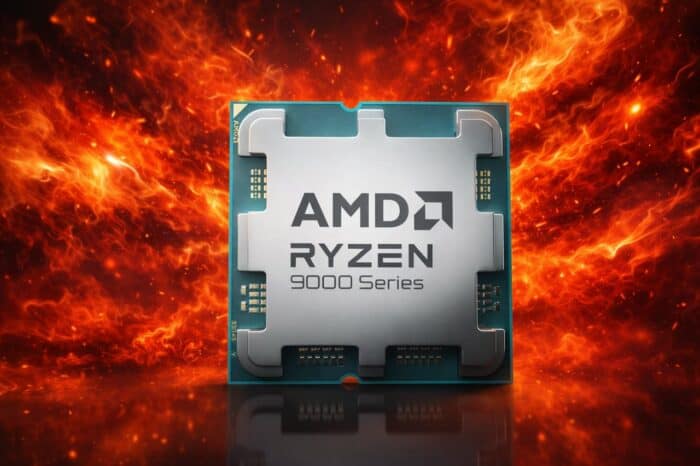
ASRock has rolled out a new BIOS update aimed at addressing widespread Ryzen 9000 boot failures and no-POST issues reported on several AM5 motherboards.
Over the past weeks, users flagged serious instability problems with Ryzen 9000 CPUs running on ASRock boards, prompting the company to release a Beta BIOS based on AMD’s AGESA 1.3.0.0a microcode. The update targets boot failures and CPU-related instability that left some systems unusable.
Ryzen 9000 No-POST Issues Spark Firmware Response
According to Wccftech, multiple owners of AM5 systems reported inconsistent POST behavior, random system freezes, and complete boot failures. In several cases, affected systems displayed a yellow motherboard LED, struggled during memory training, or froze during Windows updates.
Users also described black screen boots and unstable behavior when running dual-channel memory configurations. Clearing CMOS settings failed to resolve the issues for many.
These reports led to concerns about potential Ryzen 9000 CPU failures, especially as some boards refused to POST entirely.
Stable v4.10 BIOS Launches With AGESA 1.3.0.0a
After releasing a Beta BIOS, ASRock introduced a stable BIOS version 4.10 last week. The firmware includes AMD AGESA 1.3.0.0a microcode along with memory optimizations and boot stability improvements.
According to community feedback, the new BIOS resolves no-POST problems for some Ryzen 9000 users.
Tech YouTuber Level1Techs tested the update using an ASRock X870E Taichi motherboard paired with a Ryzen 5 9600X. Before updating, the system reportedly suffered from inconsistent POST behavior and random instability. After installing the updated BIOS, the system booted normally and remained stable during gaming and benchmarking workloads.
BIOS Update May Prevent Boot-Related CPU Issues
ASRock now advises AM5 motherboard owners experiencing boot instability to update to the latest BIOS version.
The update appears to mitigate firmware-level compatibility issues tied to Ryzen 9000 processors. However, a BIOS update cannot repair CPUs that have sustained physical damage. If the processor remains electrically intact, firmware adjustments may restore stability and proper boot behavior.
The situation highlights the importance of early microcode revisions in new CPU launches, especially when paired with evolving platform firmware.
In other news, AMD recently confirmed it will continue supporting Ryzen Z1 Extreme devices despite earlier speculation about driver development ending.

Read our disclosure page to find out how can you help Windows Report sustain the editorial team. Read more



Improve this guide




User forum
0 messages