
Microsoft’s October 2026 Surface & Windows Event: All the Biggest Announcements


 4 min. read
  Published on
Microsoft’s October 2026 Surface and Windows event has wrapped up, and it turned out to be far more than a hardware showcase. From the Surface Laptop Ultra and RTX Spark to a redesigned Windows Search, local AI, agent security, Copilot, and third-party AI apps, Microsoft used the event to outline where it sees Windows heading next. In case you missed the event, you can catch it up here.
Microsoft Surface Laptop Ultra and RTX Spark pricing revealed, pre-orders now live
A chunk of the presentation was focused on the Surface Laptop Ultra; Microsoft’s new high-performance laptop built around NVIDIA’s RTX Spark platform. It starts at $2,599, is available to pre-order now, and is expected to begin shipping on October 16. The top model reaches 128GB of unified memory, while the platform is designed to run large AI models locally.
Microsoft also opened pre-orders for the Surface RTX Spark Dev Box, a compact developer-focused system priced at $5,999. It comes with 128GB of unified memory and up to one petaflop of AI compute, targeting developers who want to build and run demanding AI workloads locally.
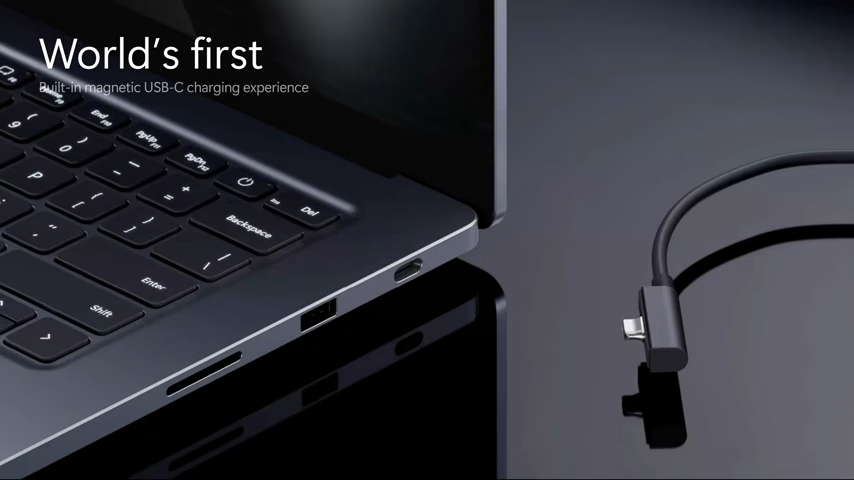
Microsoft also showed off the new Magnetic Connect charging system for the Laptop Ultra. It uses a magnetic USB-C connection, giving users a MagSafe-style experience while retaining USB-C functionality.
Windows becomes more AI-focused
Microsoft spent a significant part of the event discussing how Windows is being rebuilt around local and cloud AI. Satya Nadella described Agent 365, Microsoft IQ, and Copilot as technologies Microsoft wants to bring closer to the core Windows architecture.
The company also introduced Microsoft Execution Containers, which are designed to give AI agents controlled access to resources such as files, networking, and other Windows capabilities. Microsoft says the technology is built around three principles, containment, identity, and manageability.
Microsoft also demonstrated Windows ML, a platform for deploying AI runtimes across CPUs, GPUs, and NPUs. Support for llama.cpp is coming to Windows ML, giving developers another way to experiment with newer models locally.
Windows 11 Search gets a major overhaul
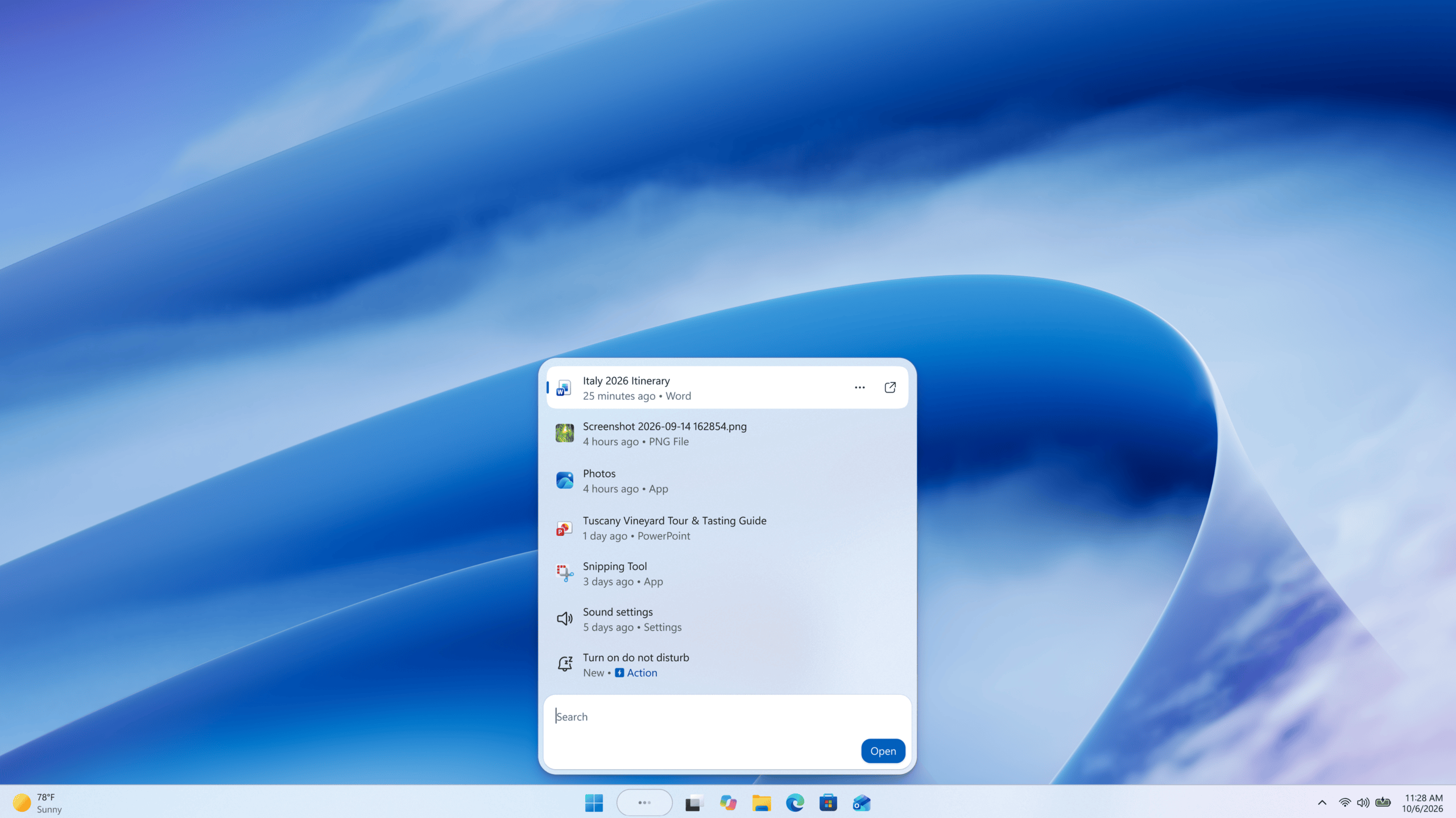
One of the highlights of the event was the redesigned Windows Search experience. Microsoft is rolling it out to Windows Insiders with a WinUI 3 foundation, a cleaner single-list interface, improved typo and synonym matching, richer file previews, and inline web results.
The bigger change is that Search can now perform actions. Users can type requests such as “turn on dark mode,” “turn on Bluetooth,” or “minimize all my windows” and complete those tasks directly from Search. Microsoft is also working on Phone Link actions and plans to bring the new experience to the Start menu next year.
Copilot, agents and third-party AI
Microsoft also showed a redesigned Copilot app with dedicated Home, Code, and Autopilot sections. Copilot can access local files, perform actions on Windows, and use local AI models, while Copilot Code can create Windows apps and widgets.
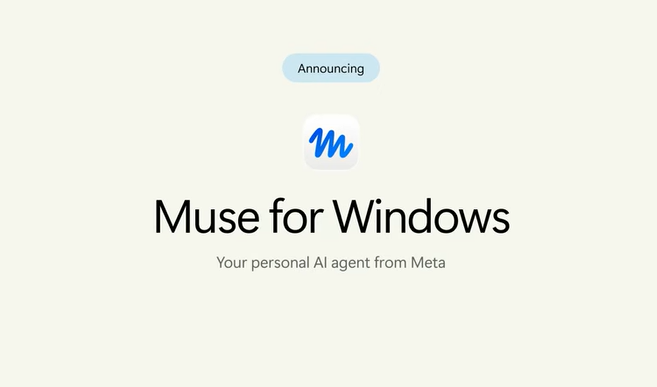
The company also confirmed that Meta Muse is coming to Windows as a native app, giving Microsoft’s platform another major third-party AI agent. Perplexity also demonstrated its Portable Computer experience running complex tasks across local models without consuming cloud credits.
GitHub’s HydraFusion was shown working with local AI models on Windows, while Microsoft demonstrated AI agents performing coding and cleanup tasks. The event increasingly looked like a developer conference, but that appears intentional as Microsoft tries to make Windows more attractive for local AI development.
Local AI is the bigger story
Microsoft and NVIDIA also highlighted hybrid intelligence, combining local processing with cloud AI. NVIDIA announced that a new Nemotron model is coming October 15, while DeepSeek V5 Flash was shown as capable of running locally with around 60GB of memory.
Microsoft also demonstrated demanding workloads such as Blender, ComfyUI and gaming on the Surface Laptop Ultra. The company claims the laptop has 2.5 times the thermal capacity of existing Surface notebooks and can retain more than 99% of its performance while running on battery.
All that said, Microsoft is not simply adding another AI assistant to Windows. It appears to be rebuilding parts of the operating system, developer stack and hardware around the assumption that increasingly capable AI will run directly on PCs. The question now is whether developers and power users will see enough value in that local AI push to justify the premium hardware prices Microsoft is asking.

Read our disclosure page to find out how can you help Windows Report sustain the editorial team. Read more



Improve this guide
User forum
0 messages