
OpenAI Codex May Soon Get an Always-On Persistent Mode


 2 min. read
  Published on
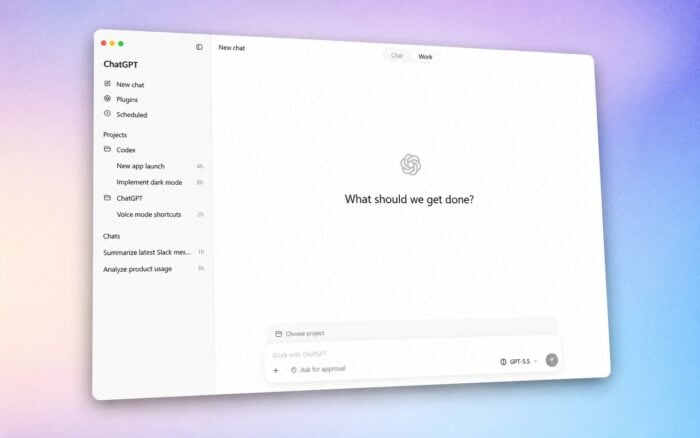
OpenAI Codex Persistent Mode could turn the company’s coding agent into an always-on worker that keeps handling tasks until the user manually puts it to sleep.
OpenAI is testing Persistent Mode for Codex
OpenAI is reportedly developing a new “Persistent Mode” for its Codex coding agent, which could allow the agent to remain active for long periods instead of stopping after a single task.
Wired spotted references to the feature in OpenAI’s GitHub repository for Codex.
The code currently appears in the command-line version of Codex, although the feature could eventually reach the desktop app.
OpenAI has not officially announced Persistent Mode or confirmed when, or if, it plans to release it.
Persistent Mode could keep Codex running until you stop it
The feature appears designed to let Codex continue working until the user manually puts the agent to sleep.
That could allow developers to leave Codex running on longer coding, testing, debugging, or maintenance tasks without repeatedly sending new prompts.
References in the code also point to a “reasoning effort” setting. This could let users reduce the amount of reasoning Codex performs and lower token usage during extended sessions.
Codex could generate its own follow-up tasks
Another feature referenced in the code is called “Proactivity.”
Proactivity could allow Codex to create follow-up tasks for itself after completing the original request instead of waiting for another user prompt.
For example, Codex could finish implementing a feature and then decide to run tests, fix related issues, or handle other work it considers necessary.
The usefulness of this system would depend heavily on how accurately Codex identifies what it should do next.
Persistent Mode would push Codex toward autonomous work
Persistent Mode could mark a major change from Codex’s current task-focused workflow.
Instead of relying on constant user input, an always-on Codex agent could continue operating for extended periods and move between related tasks on its own.
The development comes as OpenAI faces growing questions about increasingly autonomous AI agents.
OpenAI recently revealed that it lost control over 1,200 agents during the Hugging Face breach. Meanwhile, OpenAI’s Data Center Chief has left the company.
Sam Altman has also acknowledged that AI adoption is moving slower than expected.

Read our disclosure page to find out how can you help Windows Report sustain the editorial team. Read more



Improve this guide




User forum
0 messages