
Why Microsoft Distanced Itself From Xbox During the Console Wars


 3 min. read
 Published on
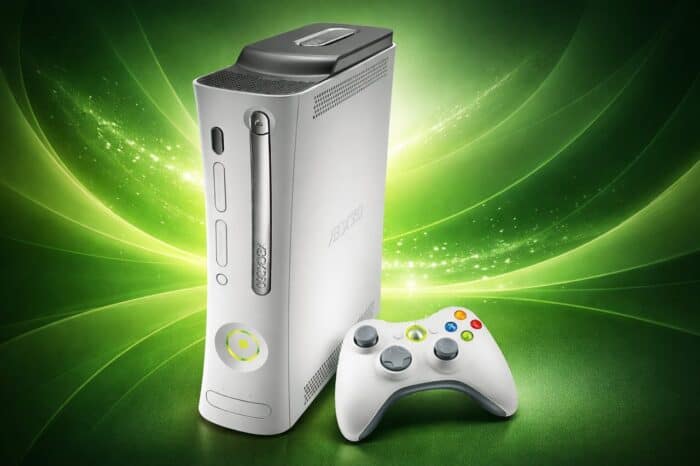
Microsoft and Xbox are now closely connected, with company leadership frequently reaffirming long-term support for the gaming division. However, that close association did not always exist.
In the early 2000s, Microsoft deliberately tried to distance the Xbox brand from the broader Microsoft identity while competing against Sony’s PlayStation 2 and Nintendo’s GameCube.
Microsoft wanted Xbox to stand on its own
According to a report from Windows Central, Microsoft initially worried that the company’s corporate image could hurt Xbox’s chances with gamers.
At the time, Microsoft faced antitrust scrutiny in the United States and Europe. Executives feared that strong Microsoft branding could make the console less appealing to players and more vulnerable to criticism from regulators.
To help grow the brand, Microsoft hired Peter Moore, former president of Sega, and appointed him vice president of the company’s Interactive Entertainment Business.
Moore became known for his aggressive marketing approach and willingness to directly challenge rivals such as Sony.
Microsoft leaders reportedly believed the Xbox division needed someone willing to compete loudly in the console market.
Bill Gates wanted Microsoft in the living room
Former Microsoft CEO Bill Gates viewed gaming as a critical part of the company’s long-term strategy.
He worried that Sony could dominate home entertainment if Microsoft failed to enter the living room market.
Gates believed Microsoft risked remaining limited to office software such as Windows, Excel, and PowerPoint if it did not expand beyond PCs.
Video games offered the most direct way for Microsoft to build a presence in home entertainment systems. That vision ultimately shaped the strategy behind the Xbox 360.
Xbox 360 was built as more than a console
Microsoft designed the Xbox 360 not only as a gaming console but also as a broader entertainment platform.
The company promoted the system with the tagline “A living entertainment experience powered by human energy.”
To strengthen the Xbox identity, Moore and the Xbox team intentionally minimized Microsoft branding on the console and its marketing.
Xbox packaging and advertisements focused almost entirely on the Xbox name instead of the Microsoft brand.
The goal was to ensure gamers viewed Xbox as a dedicated gaming brand rather than another Microsoft product.
Bill Gates reportedly supported the strategy and allowed the team to develop Xbox as a separate identity.
The Xbox 360 era helped define the brand
The approach ultimately proved successful. The Xbox 360 became one of the most successful consoles of its generation and helped establish Xbox as a major global gaming brand.
Many fans still consider the Xbox 360 period the golden age of the Xbox ecosystem. The console helped solidify Xbox as a direct competitor to Sony in the global console market.
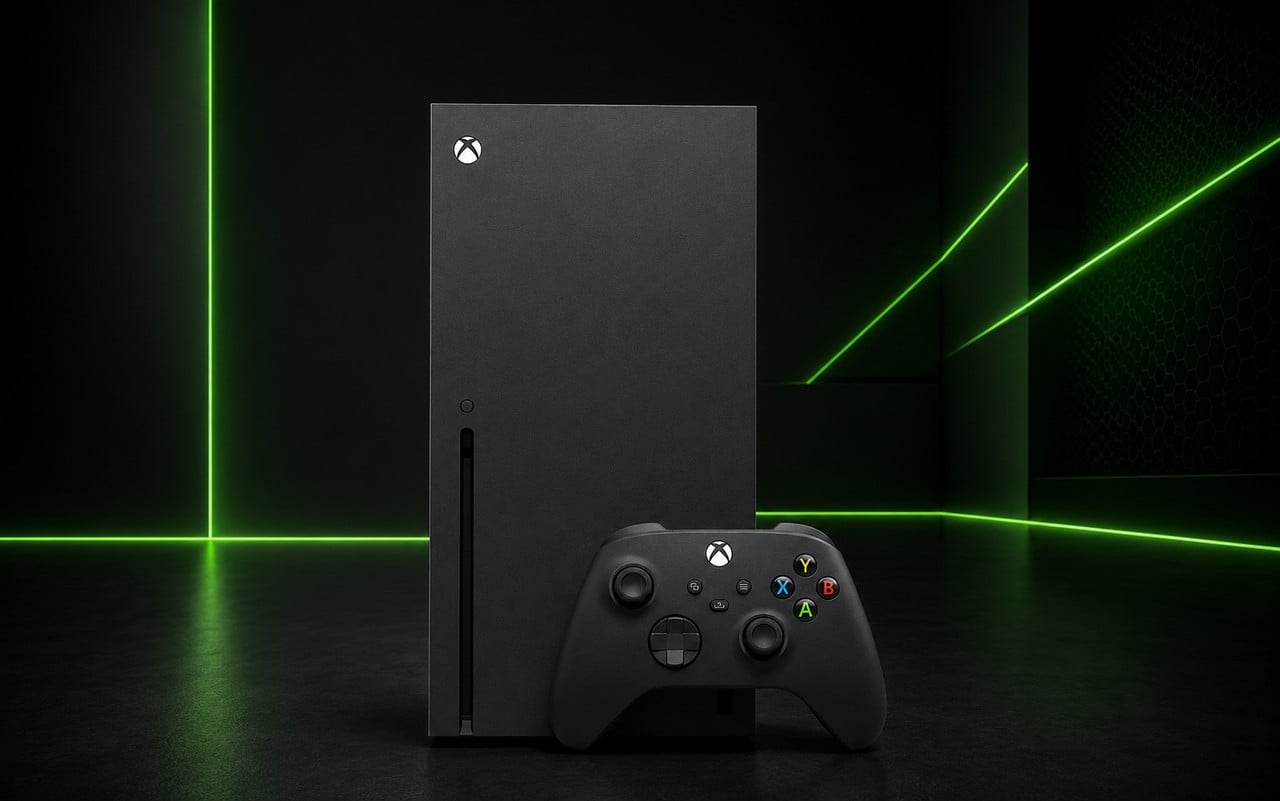
Today, Microsoft positions Xbox as a central part of its gaming strategy, closely tied to Windows, cloud services, and Game Pass.
However, the company faces new challenges. Reports indicate that Xbox revenue has declined in recent periods, increasing pressure to evolve the platform.
Future hardware plans may focus on deeper PC compatibility. Rumors surrounding a next-generation console project, reportedly known internally as Project Helix, suggest Microsoft could further merge Xbox and Windows ecosystems.
Some reports also claim that Microsoft considered unifying Xbox and Windows gaming platforms nearly a decade ago, an idea that now appears closer to reality.

Read our disclosure page to find out how can you help Windows Report sustain the editorial team. Read more


Improve this guide

User forum
0 messages