
Opera Brings Deep Research Agent to Neon for Smarter AI-Powered Browsing
ODRA joins Opera Neon’s growing lineup of AI agents


 3 min. read
  Published on

Opera is taking its AI-powered browser vision one notch up by introducing Opera Deep Research Agent (ODRA) in Opera Neon. The feature, coming soon to users, will ensure that Opera’s in-house AI engine provides more accurate answers to complex queries directly in the browser.
ODRA has been in development for more than two years and now joins the existing trio of agents, Chat, Do, and Make. In other words, ODRA is the fourth integrated AI agent in Opera Neon.
Unlike typical AI chat assistants, ODRA is designed for deep research. It runs through multiple sources, cross-checks data, and compiles structured, reference-backed reports tailored to your query. Opera explains that ODRA works like a team of digital researchers:
- Researchers gather and summarize relevant data.
- Supervisors oversee the process, refining the results and triggering more iterations if needed.
This academic-style workflow allows ODRA to produce in-depth and verifiable responses, which is always ideal for projects, reports, or topic exploration that demands more than quick answers.
How ODRA works inside Opera Neon
Opera has reengineered its backend to parallelize ODRA’s research process. Each query gets broken down into smaller subproblems that run simultaneously, much like how GPUs handle multiple operations at once.
This approach allows ODRA to analyze your question from multiple angles, delivering richer insights faster. However, because of the complexity of deep research, Opera says the process can take between 5 and 20 minutes. Once finished, users receive a comprehensive “research document” complete with citations and referenced sources.
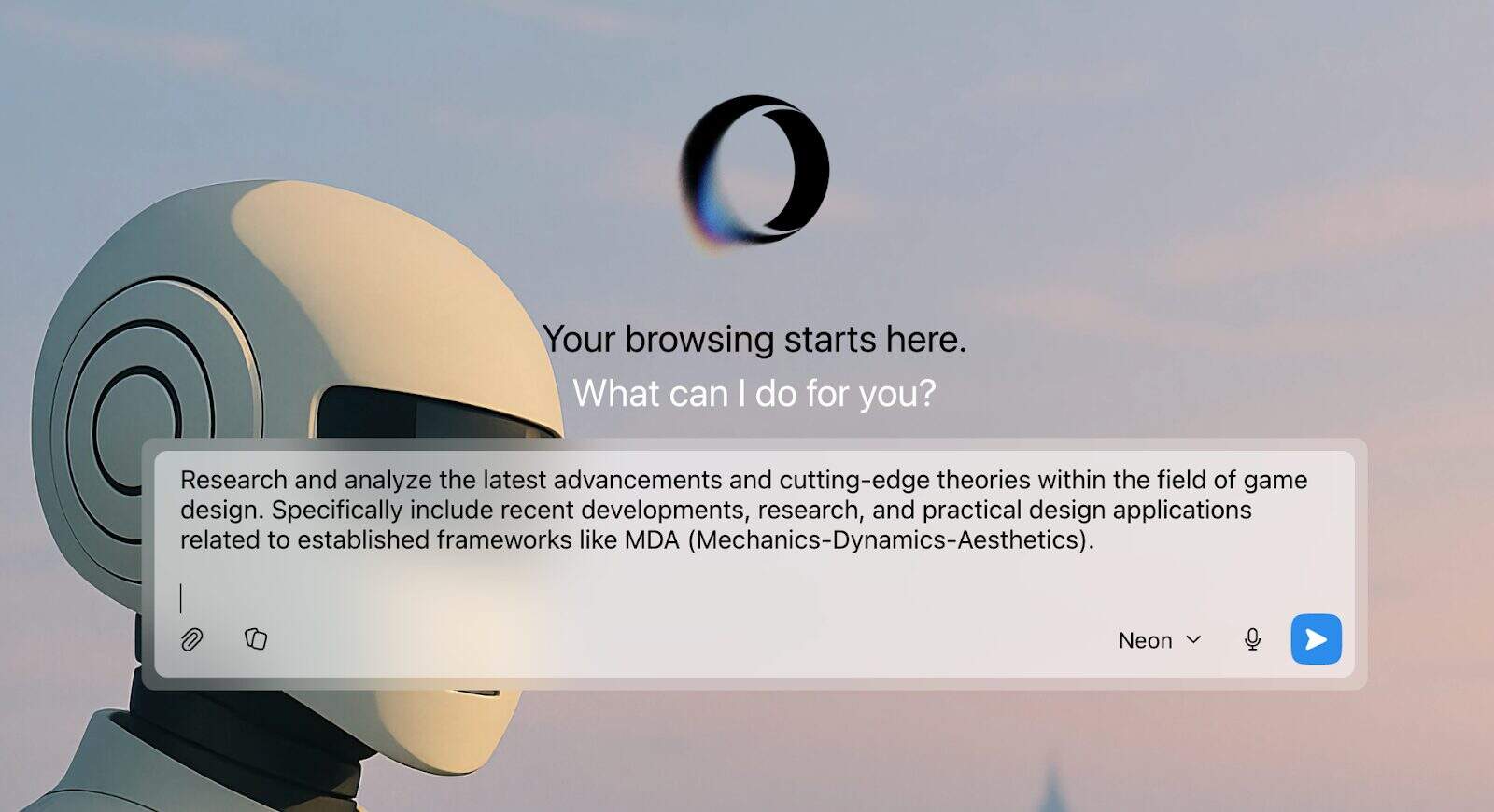
The new research agent will appear in Neon’s Omnibox, alongside the existing AI agents. Users can simply select ODRA, type a prompt, and let it begin analyzing. If clarification is needed, ODRA will ask follow-up questions before generating the report.
Built on an open, model-agnostic AI engine
Opera’s AI engine is model-agnostic, meaning it can combine technologies from various providers such as OpenAI’s Sora 2, Google’s Nano Banana, and Gemini models. This flexibility allows Opera to quickly deploy updates and new agents, and sometimes on a weekly basis.
The company says ODRA’s benchmark performance already rivals deep research agents from OpenAI and Google, with internal testing showing steady improvement in accuracy and relevance.
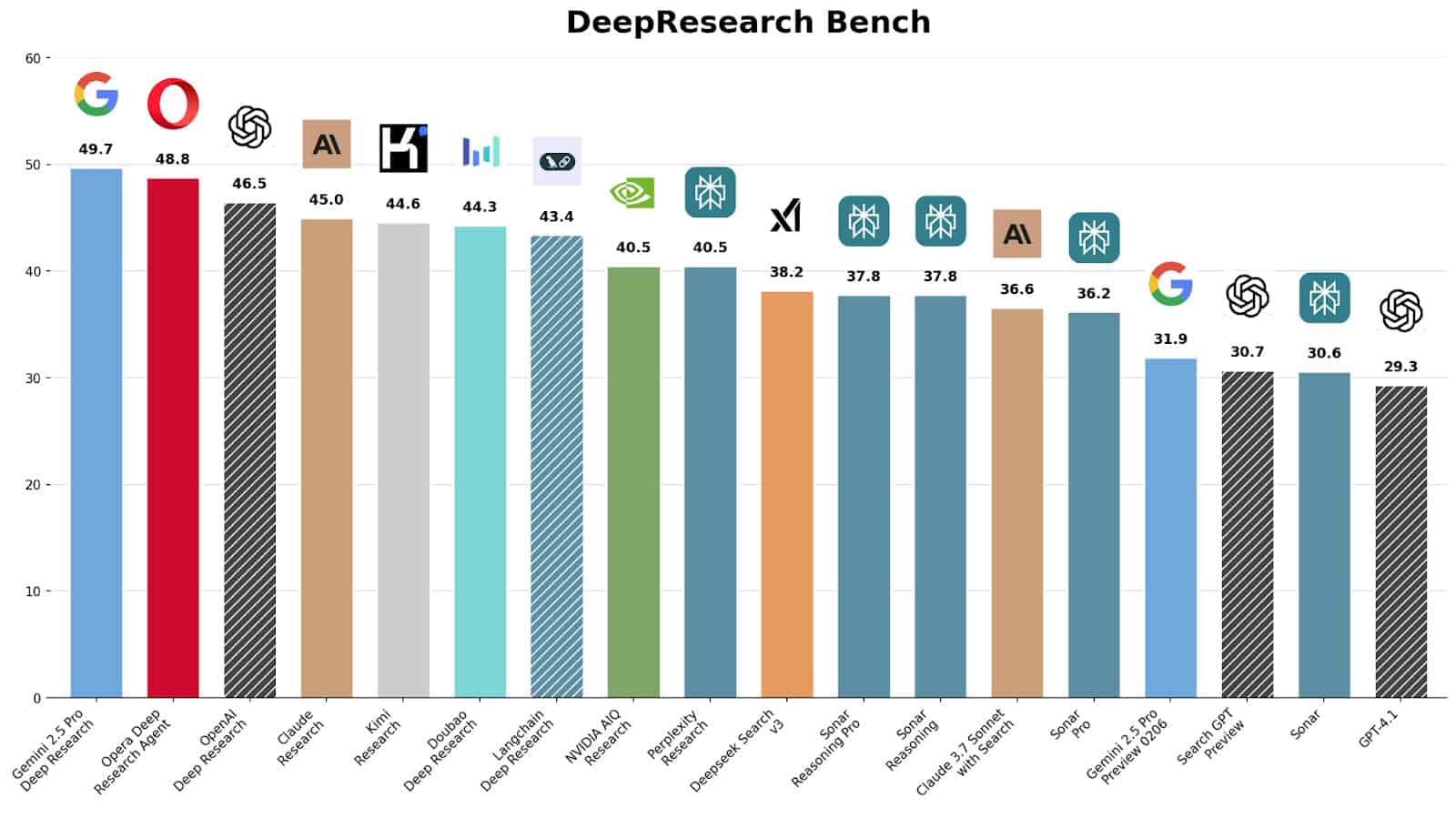
Opera Neon remains available to a limited number of users for now, but those already on the platform will get early access to ODRA soon. Users who joined the Neon waitlist should keep an eye on their inbox for invites. If you haven’t signed up yet, you can join the waitlist here.

Read our disclosure page to find out how can you help Windows Report sustain the editorial team. Read more



Improve this guide

User forum
0 messages