
Federal Judge Blocks U.S. Attempt to Blacklist Anthropic After Pentagon Dispute


 2 min. read
  Published on
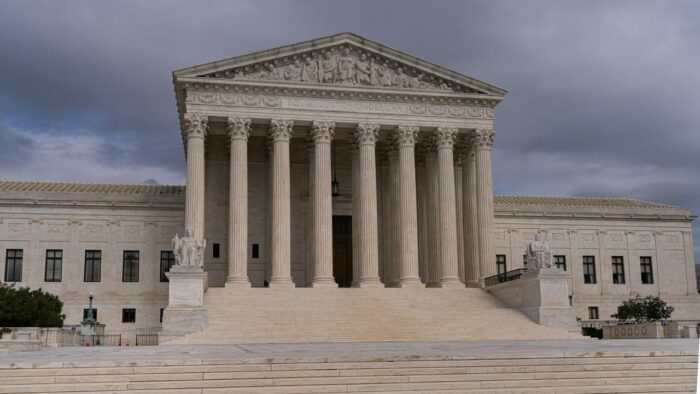
Anthropic’s ongoing clash with the U.S. government has taken a dramatic turn, as a federal judge has temporarily blocked efforts to blacklist the AI company over national security concerns, after Anthropic sued the Pentagon over the decision.
The ruling follows a tense dispute between Anthropic and the Pentagon, which escalated after the company was labeled a potential supply chain risk and faced restrictions across federal agencies.
Court Calls Government Action Likely Unconstitutional
According to TechCrunch, U.S. District Judge Rita F. Lin ruled that the government’s actions were likely unconstitutional and lacked proper legal justification.
The judge described the move as “illegal First Amendment retaliation,” stating that there was no valid basis to classify a U.S.-based company as an adversary. The decision effectively halts enforcement of the blacklist, at least temporarily.
This gives Anthropic a window to continue its legal challenge, while the U.S. government has seven days to file an appeal.
Dispute Stemmed From Failed $200 Million Pentagon Deal
The conflict traces back to a collapsed $200 million Pentagon contract, where Anthropic refused to allow unrestricted military use of its AI models.
The company pushed for safeguards that would limit applications tied to autonomous weapons and large-scale surveillance. That stance reportedly led to tensions with defense officials, including Defense Secretary Pete Hegseth, who later labeled Anthropic a national risk.
Despite the fallout, Anthropic’s Claude AI models are still believed to be used in certain defense-related workflows through Palantir systems.
OpenAI Moves In as Pentagon Secures Alternative Partner
Following the breakdown in negotiations, OpenAI secured its own Pentagon deal, stepping into a role that Anthropic declined to fill.
Its AI models are now being deployed in classified environments, reportedly for what officials describe as lawful and controlled use cases. The move has sparked mixed reactions, particularly among users concerned about military applications of AI technology.
A Defining Case for AI and Government Contracts
The case could set a major precedent for how AI companies engage with government agencies, especially when ethical boundaries conflict with national security interests.
If the court ultimately sides with Anthropic, it may limit how far the government can go in penalizing companies that refuse certain types of contracts or impose restrictions on AI usage.
At the same time, the outcome could shape future defense partnerships and redefine expectations for AI providers working in sensitive sectors.
Via Neowin

Read our disclosure page to find out how can you help Windows Report sustain the editorial team. Read more



Improve this guide




User forum
0 messages