
Melt Mouse: A Radical 3-in-1 Mouse That Wants to Redefine PC Interactions


 5 min. read
  Published on
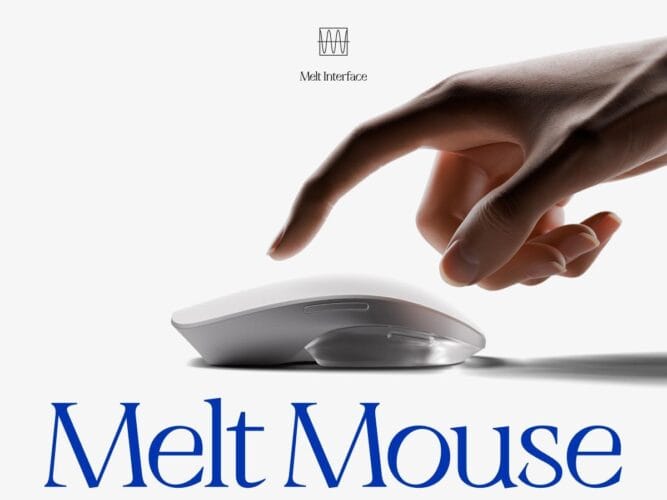
For decades, the humble computer mouse has remained largely unchanged. Sure, we’ve seen refinements like ergonomic tweaks, wireless connectivity, adjustable DPI. But the core experience of pointing and clicking hasn’t evolved much. Diver-X, a Tokyo-based XR interface startup that’s best known for ContactGlove, its series of XR haptic gloves, thinks that’s about to change. Through its new consumer brand, Melt Interface, the company has launched Melt Mouse on Kickstarter to reimagine what a mouse can be.
Melt Mouse is no ordinary pointer. Instead, it packs a trio of functions into a sleek, minimalist form factor: a precision mouse, a trackpad, and a customizable digital numpad that doubles as a macro keypad.
In other words, this is not just another peripheral. It’s a bet on the future of human-computer interaction.
From ContactGlove to Melt Mouse
Melt Mouse is the brainchild of Diver-X co-founders Yamato Sakoda and Kei Asano, who previously made waves with the ContactGlove, the first haptic, flex sensor–based glove system for social VR. That background in immersive technologies gave them a strong foundation in haptics. And now they’ve distilled it into a far more accessible form.
Where ContactGlove pushed VR boundaries, Melt Mouse is aiming to take those ideas mainstream. By building in haptic feedback, gesture-based commands, and multi-mode functionality, the team hopes to make everyday PC work feel more natural, intuitive – and dare we say – future-proof.
More Than Just a Mouse
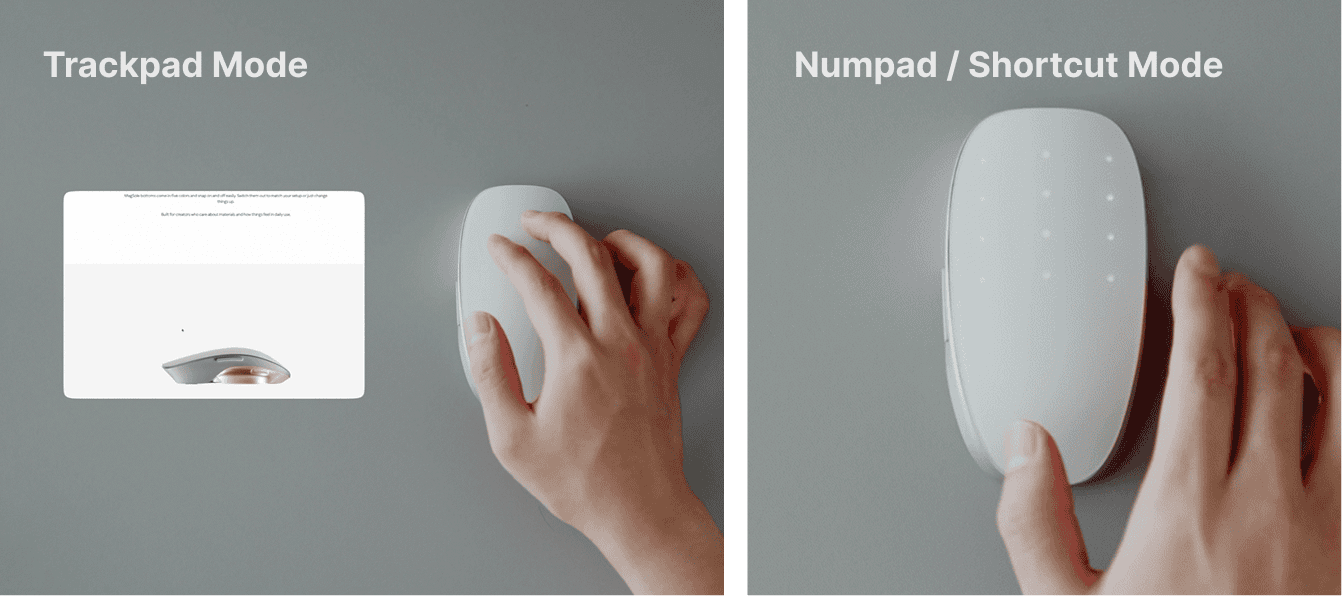
What sets Melt Mouse apart is its ability to shift seamlessly between roles. At its core, it works as a precision mouse, but users can also switch into trackpad mode or bring up a customizable numpad that doubles as a macro keypad. For designers, that means assigning shortcuts for creative software without breaking workflow. For streamers, it offers an easy way to control their setup on the fly. Office users might simply appreciate having a numpad for spreadsheets, without the need for extra accessories.
The hardware design is equally ambitious. Melt Mouse is crafted from a single aluminum block and topped with reinforced curved glass that resists fingerprints but maintains a smooth, comfortable texture for the palm. Its ergonomic contour is sculpted to fit the natural resting position of the hand, and an optional MagSole magnetic base adjusts friction levels, allowing the mouse to glide effortlessly across the desk while still stopping with precision.
Customization runs deep through the Melt Studio companion app. Users can tweak everything from click weight to scroll speed, map commands to gestures, and assign macros tailored to different workflows. This transforms Melt Mouse into a versatile input hub that adapts to the individual rather than forcing users into a one-size-fits-all mold.
Perhaps the boldest innovation is the absence of mechanical switches. Melt Mouse relies entirely on haptic feedback powered by an internal actuator. Each tap or click is met with a vibration that simulates the tactile confirmation of a button press. The result is a device that feels responsive and modern, while sidestepping the mechanical wear and tear of traditional mice.
Rethinking Interaction in the AI Age
What’s especially intriguing is how Diver-X frames the Melt Mouse as more than just a productivity booster. The company sees it as a step toward new forms of digital connection particularly as AI becomes more personal and companion-like.
Imagine using a PC mouse not just to click icons, but to feel subtle haptic responses from an AI assistant. Diver-X envisions scenarios where the Melt Mouse becomes a discreet tactile channel, conveying sensations that make interactions with AI companions feel tangible. While that may sound speculative today, it reflects broader trends in the industry: hardware is increasingly tasked with humanizing the machine experience.
A Device for Work, Play, and Beyond
For now, the most immediate appeal of Melt Mouse lies in its ability to streamline everyday tasks. Graphic designers may use the trackpad mode for precision input, streamers could assign macros to manage overlays or transitions, and office workers might simply enjoy having an integrated numpad. At the same time, its minimalist design and premium materials ensure it doesn’t look out of place on a modern desktop setup.
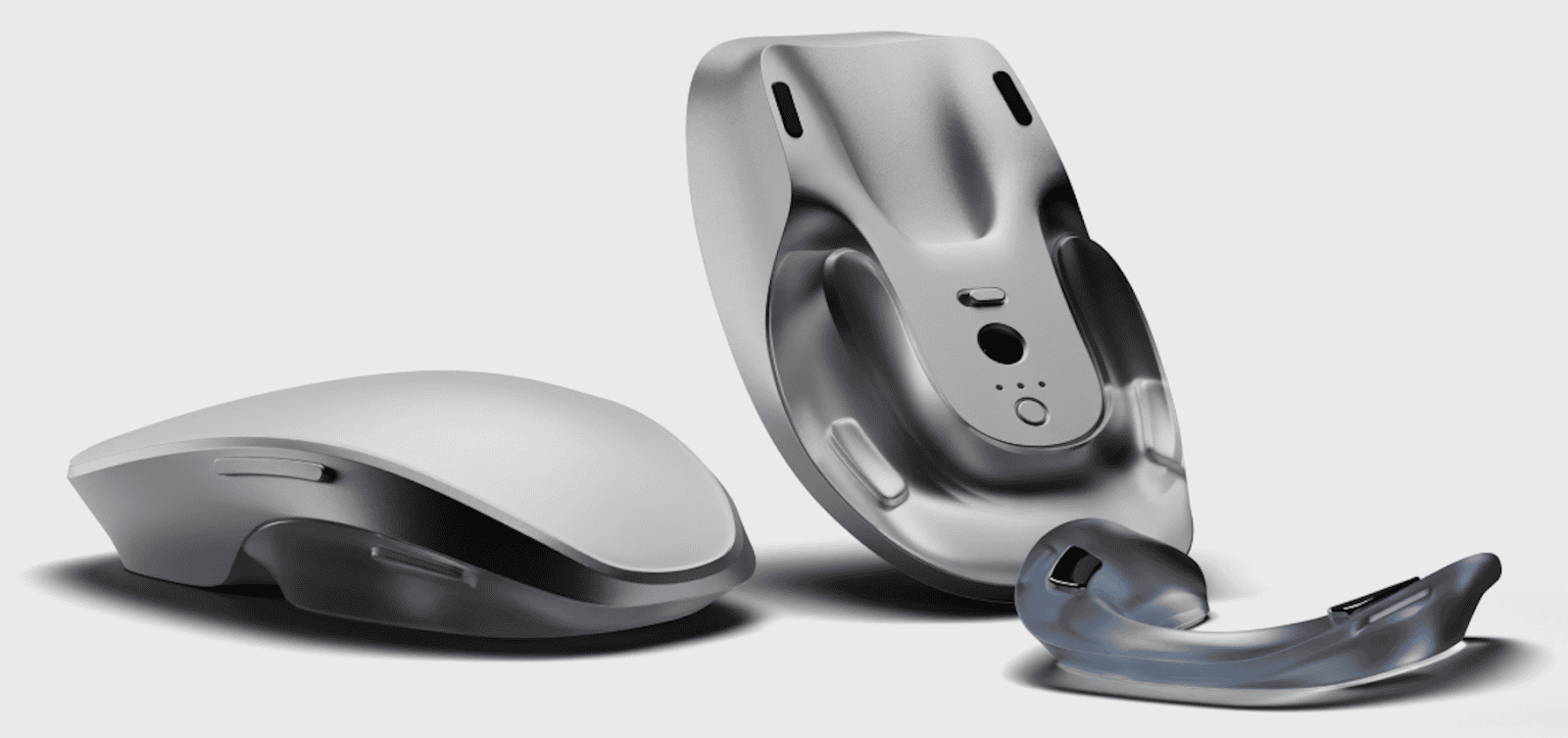
And crucially, it doesn’t abandon the familiar. At its core, Melt Mouse still looks and feels like a regular mouse. You can plug it in and start using it right away. But once you begin experimenting with its alternate modes and haptic-driven customization, the device reveals itself as something far more ambitious.
Melt Mouse is the first product under the Melt Interface brand, but Diver-X has bigger ambitions. With fresh funding secured, the company plans to expand its lineup of consumer hardware, while continuing to explore advanced haptic systems and XR technologies under the Diver-X umbrella.
Whether Melt Mouse becomes a niche Kickstarter darling or sparks a new wave of hybrid input devices remains to be seen. But it’s hard not to be intrigued by a product that asks a simple, yet powerful question: why hasn’t the mouse evolved in decades. And what if it could?
For now, Melt Mouse is live on Kickstarter, inviting early adopters to test-drive this bold rethink of the most essential tool on our desks. The company has also unveiled a $1.3 million Pre-Series A funding round led by PKSHA Capital, Toyota Boshoku, Iyogin Capital, and DEEPCORE.


Read our disclosure page to find out how can you help Windows Report sustain the editorial team. Read more



Improve this guide

User forum
0 messages