
Microsoft Tests Project Pantheon, a New Take on Windows Recall


 3 min. read
 Published on

Microsoft is reportedly developing Project Pantheon, an experimental Windows 11 AI application that helps users save, organize, and search personal information. Unlike Windows Recall, the new app only stores content that users choose to save.
According to Windows Latest, the application, currently called Context Vault, acts as a personal digital memory system. Users can store web pages, documents, screenshots, copied text, audio, and videos, then retrieve that information through AI-powered search.
Microsoft has not officially announced Project Pantheon or confirmed whether it will become publicly available.
Project Pantheon lets users build their own AI memory
Project Pantheon organizes saved information into collections that users can browse, search, and summarize. The application includes a Library for stored content, a Chat interface for asking questions, and a Timeline for reviewing previously saved information.
It also includes Connections for managing integrations with other applications and a section for monitoring AI token usage.
Users can add information through File Explorer, the Windows Share menu, browser extensions, supported applications, screenshots, Click to Do, and the clipboard.
The application can automatically create collections, although early testing revealed problems with incorrect collection names and managing larger amounts of information.
Project Pantheon can share information with Claude and Cursor
One of the application’s more interesting features is its support for the Model Context Protocol (MCP), which allows compatible third-party AI tools to access saved information.
This means applications such as Claude and Cursor could use information from Pantheon as context without requiring users to manually upload the same documents or provide previous conversations again.
Users could ask the AI what they have been working on, summarize information across multiple collections, or draft content using saved material.
Pantheon also supports cloud-based AI models, so users would not necessarily need a Copilot+ PC or a dedicated NPU to run it.
Unlike Windows Recall, Pantheon doesn’t automatically capture your screen
Although both applications aim to help users recover previously viewed information, Pantheon takes a different approach from Windows Recall.
Recall automatically captures snapshots of screen activity on supported Copilot+ PCs, while Pantheon requires users to select the information they want to save.
Pantheon also runs as a separate Windows 11 application rather than an integrated operating system feature.
Microsoft is reportedly considering additional privacy protections, including encryption, Windows Hello authentication, individual application permissions, user consent controls, and IT policies that could disable the application.
However, these features remain unconfirmed. Questions also remain about where the application stores information, how cloud-based AI models process personal data, and what options users will have to delete their memories.
For now, Project Pantheon remains an experimental application without a confirmed release date. Microsoft has not said whether it plans to bring the technology to Windows 11 users.
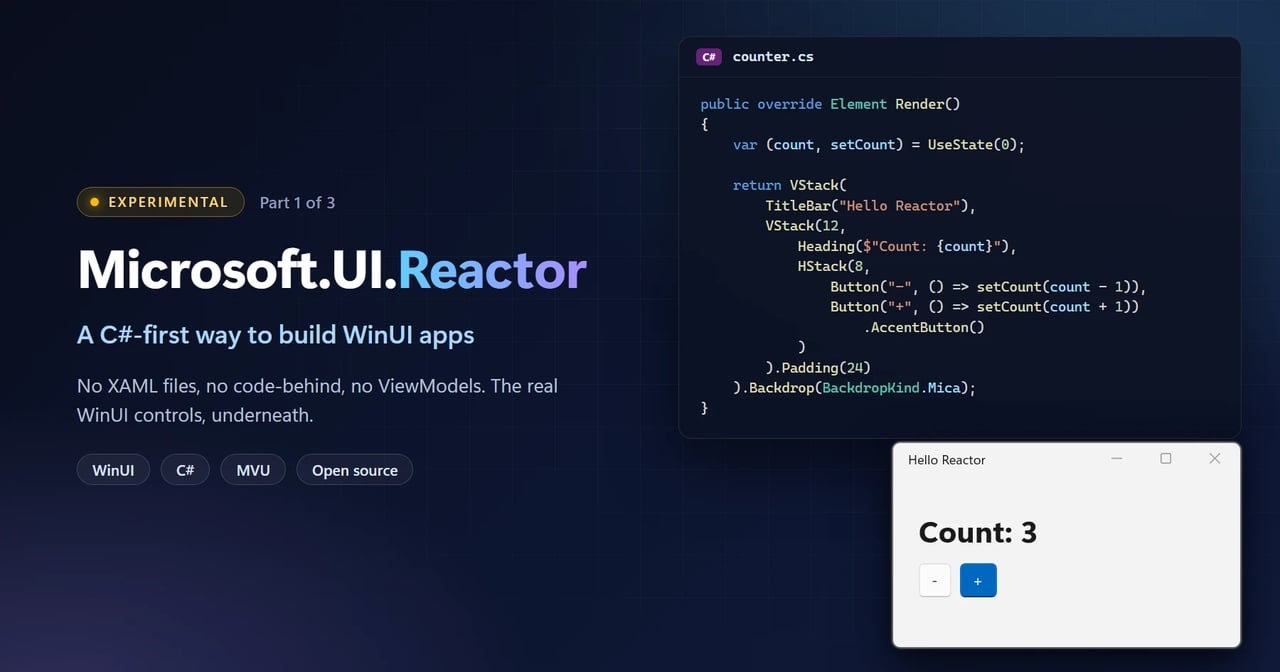
In other Microsoft news, the company recently introduced Reactor to simplify native Windows 11 app development without XAML. Microsoft also warned that Windows Server 2016 support will end soon, leaving organizations with limited time to prepare for the January 2027 deadline.

Read our disclosure page to find out how can you help Windows Report sustain the editorial team. Read more


Improve this guide


User forum
0 messages