
Nearly 70% of Microsoft's AI Revenue Reportedly Comes From OpenAI


 2 min. read
  Published on
Microsoft shares have climbed nearly 30% over the past month after the company reported quarterly revenue of $90 billion as AI growth accelerated. However, new analysis suggests that Microsoft’s AI momentum may depend heavily on a single customer.
OpenAI may generate most of Microsoft’s AI revenue
According to Bloomberg’s analysis, Microsoft generated an estimated $34 billion in AI revenue, with OpenAI contributing $24.1 billion, or roughly 70% of the total.
Previous disclosures indicate that between 65% and 70% of Microsoft’s AI business comes from OpenAI’s use of Azure cloud infrastructure and Microsoft-backed GPU capacity.
Training AI models and running services such as ChatGPT, therefore, appear to generate far more revenue than Microsoft’s own AI products.
Copilot remains a smaller part of the business
Enterprise adoption of Microsoft Copilot continues to expand, but its revenue still appears limited compared with OpenAI’s infrastructure spending.
This suggests that Microsoft’s current AI growth comes mainly from selling computing capacity rather than subscriptions to its own assistants.
The concentration creates financial risk. OpenAI reportedly spends far more than it earns and continues to rely on support from Microsoft and other investors.
Microsoft has provided OpenAI with direct investment, cloud infrastructure, computing credits and other financial support. As a result, some of Microsoft’s AI revenue effectively comes from infrastructure spending by a company that Microsoft also funds.
Microsoft faces data-center risks
Microsoft and OpenAI are betting that ChatGPT and related services will become computing platforms used by billions of people. That strategy could justify today’s spending if demand continues growing.
However, an OpenAI slowdown could leave Microsoft with expensive data centers, unused computing capacity and substantial sunk costs.
Competition from other AI companies and changing public attitudes toward artificial intelligence also add uncertainty.
Microsoft is trying to diversify
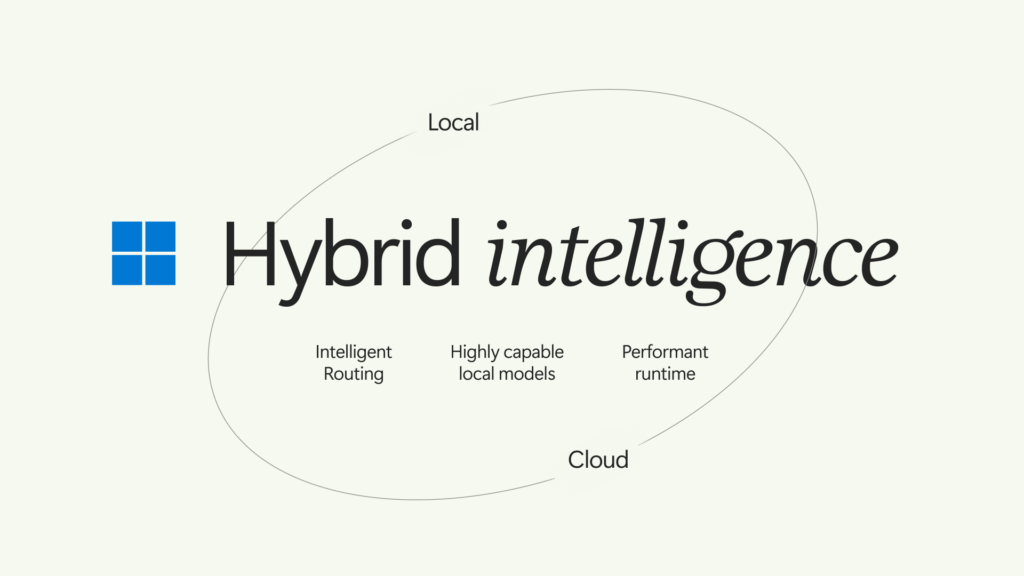
Microsoft has started developing more of its own models, chips and infrastructure as it challenges OpenAI and Anthropic with a broader AI strategy.
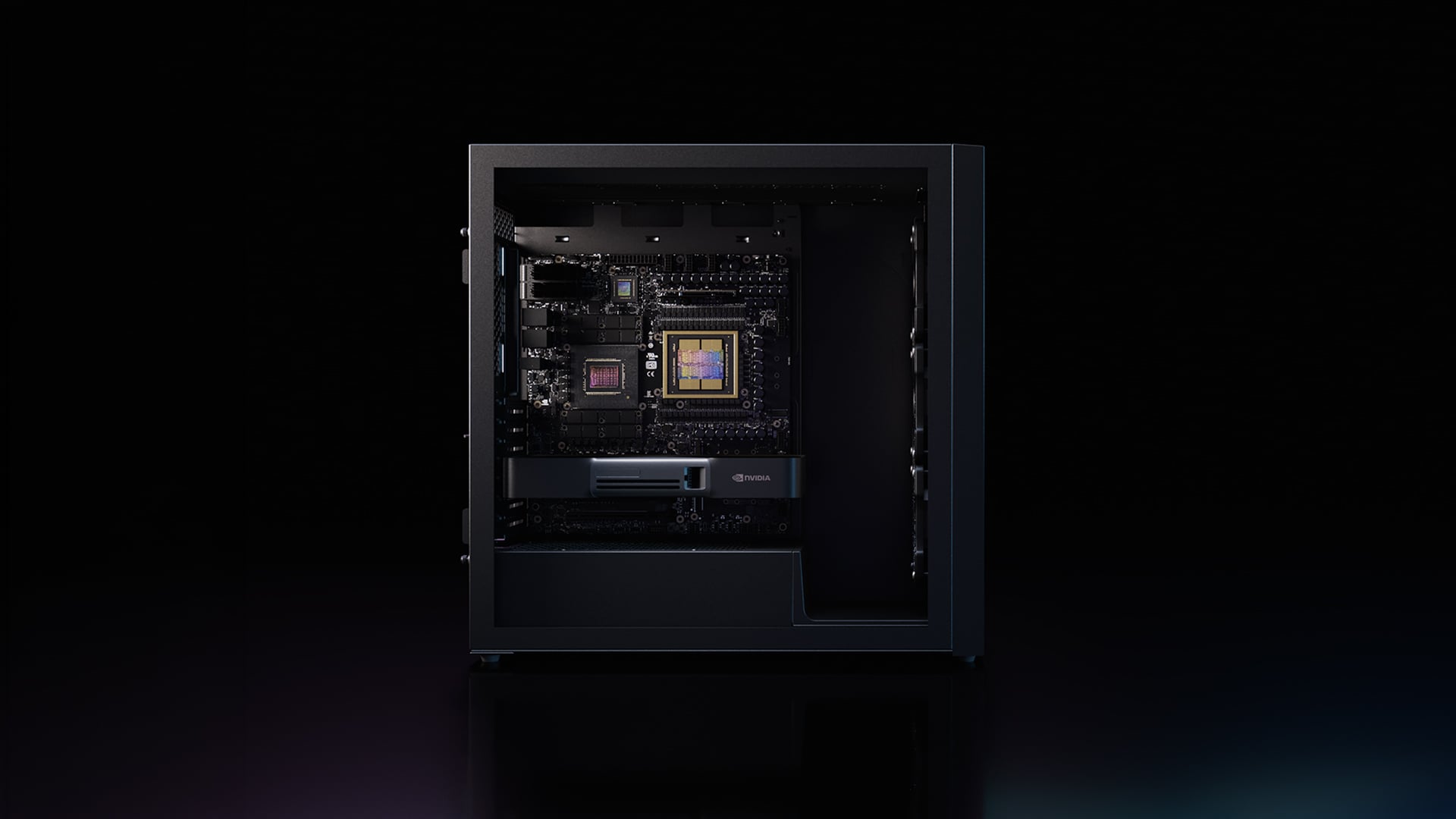
The company also plans to expand Azure hardware options. CEO Satya Nadella recently confirmed that Azure will use AMD Helios and NVIDIA Vera Rubin systems.
Microsoft’s AI business shows no clear signs of slowing. Still, its growth appears highly concentrated, leaving the company dependent on OpenAI’s ability to maintain demand, attract funding and eventually build a profitable business.

Read our disclosure page to find out how can you help Windows Report sustain the editorial team. Read more



Improve this guide

User forum
0 messages