
NVIDIA Vera CPU Is Already Building the Company’s Next Chips


 3 min. read
  Published on
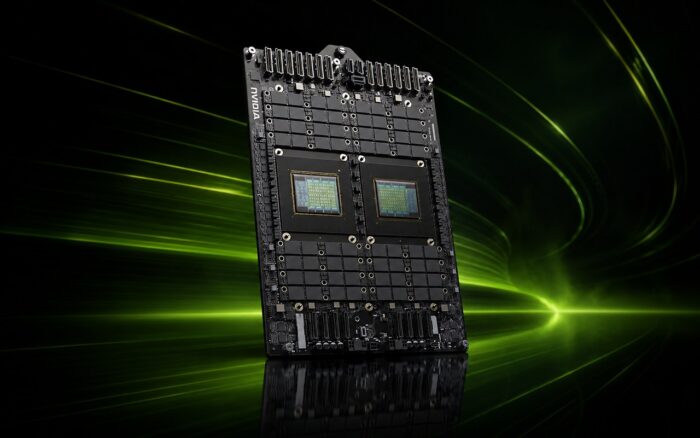
NVIDIA Vera CPU systems are now supporting the company’s engineering workflows for future processors and graphics chips.
Early production testing showed performance gains of up to 1.5 times in selected chip verification and simulation workloads.
NVIDIA introduced Vera several months ago and has now started deploying the CPU across its electronic design automation workflows. These workloads help engineers test processor designs and identify potential problems before manufacturing begins.
Vera delivers faster chip verification
NVIDIA tested Vera with Cadence Jasper and Synopsys VCS, two tools used during semiconductor development.
Cadence Jasper handles formal verification, which checks whether a chip design behaves according to its specifications. Synopsys VCS simulates and validates processor designs before they enter production.
Both applications achieved performance improvements of up to 1.5 times in selected NVIDIA production workloads. The gains apply to specific verification and simulation tasks rather than every engineering workload.
Faster verification can reduce the time required to complete individual testing jobs. It also allows NVIDIA to run more jobs across its development environments.
Engineers can use the additional capacity to examine more design alternatives, find problems earlier, and make changes before a processor reaches manufacturing.
NVIDIA Vera CPU specifications
Vera includes 88 custom NVIDIA Olympus CPU cores and uses LPDDR5X memory. It also features the second-generation NVIDIA Scalable Coherent Fabric.
NVIDIA designed the platform to improve processing performance, memory access, and latency in demanding engineering environments. These characteristics make Vera suitable for electronic design automation tools that process large and complex chip models.
The company is using Vera not only as a new computing product but also as part of the development infrastructure behind its next hardware generations.
Vera is already helping develop future NVIDIA chips
NVIDIA plans to follow Vera with the Rosa CPU. Rosa will introduce a new processor design based on the NVIDIA Rigel CPU core.
Vera is already helping NVIDIA develop future CPUs and GPUs, creating a cycle in which one processor generation contributes to the design of the next.
This approach connects NVIDIA’s silicon, software, and systems engineering teams through a continuous feedback loop. Improvements discovered while using Vera can influence future processor architectures, development tools, and computing platforms.
The deployment could also help NVIDIA increase the number of designs it evaluates during development. Running more simulations and verification jobs may allow engineers to compare additional configurations before selecting a final chip design.
In other NVIDIA news, the NVIDIA App recently received an update that brings 240 FPS gameplay recording support to RTX GPUs.

Read our disclosure page to find out how can you help Windows Report sustain the editorial team. Read more



Improve this guide




User forum
0 messages