
Valve Hit With Class Action Lawsuit Over Loot Boxes in Counter-Strike 2 and Dota 2


 2 min. read
  Published on
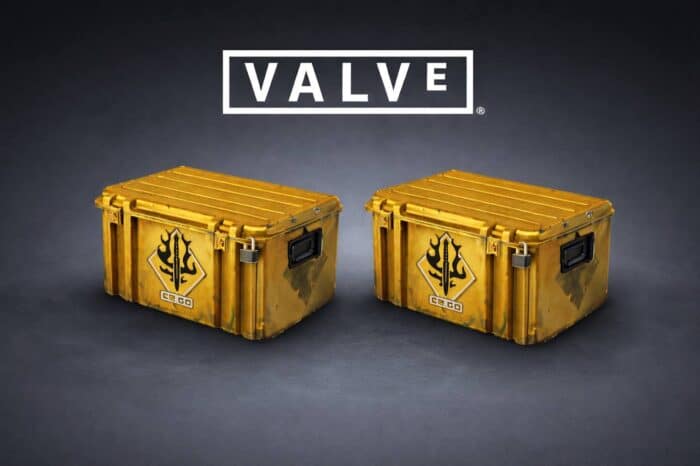
Valve is facing a new class action lawsuit in the United States over the use of loot boxes in several of its most popular games. The legal complaint argues that these in-game systems function as illegal gambling and may target minors.
Lawsuit filed in Washington federal court
According to Insider Gamer, the lawsuit was filed on March 9, 2026, in the U.S. District Court for the Western District of Washington.
The complaint accuses Valve of operating what plaintiffs describe as an illegal gambling system through loot boxes. These randomized reward mechanics appear in several major Valve titles, including Counter-Strike 2, Dota 2, and Team Fortress 2.
The proposed class of U.S. consumers is represented by law firm Hagens Berman, which has previously pursued cases against major tech and gaming companies.
Allegations focus on gambling mechanics and minors
The lawsuit claims that loot boxes rely on deceptive psychological techniques designed to encourage repeated spending. According to the complaint, these mechanics allegedly push players to spend money in hopes of receiving rare in-game items.
Plaintiffs argue that the system exposes children to gambling-like mechanics and may normalize wagering behavior at a young age.
The filing also claims that Valve failed to introduce safeguards such as age verification tools or parental consent requirements that could limit minors’ access to these systems.
Law firm seeks damages for affected players
Hagens Berman says it plans to hold Valve accountable for the alleged practices and recover financial damages for affected consumers.
The firm argues that the system stacks the odds against players who believe they are purchasing entertainment rather than participating in a randomized system resembling gambling.
To support the case, the law firm has launched a website where players can submit reports describing their experiences with loot boxes in the affected games.
Growing legal scrutiny around loot boxes
The lawsuit adds to increasing legal pressure on loot box mechanics across the gaming industry.
The state of New York has also taken action against Valve related to loot boxes, highlighting broader regulatory concerns about gambling-like features in video games.
The current case will focus on whether randomized reward systems in games such as Counter-Strike 2 and Dota 2 legally qualify as gambling under U.S. law.
Further updates are expected as the legal proceedings move forward.
Meanwhile, Valve recently confirmed that its long-anticipated Steam Machine console is still scheduled to launch in 2026 after earlier concerns about potential delays.

Read our disclosure page to find out how can you help Windows Report sustain the editorial team. Read more



Improve this guide




User forum
0 messages