
How to Update AMD Graphics Drivers on Windows 11 (Step-by-Step Guide)


 4 min. read
  Updated on

Need to know how to update AMD drivers in Windows 11? Updating your AMD Radeon drivers ensures peak performance, stable visuals, and better compatibility with the latest games and apps. Here’s a step-by-step guide, complete with screenshots, to walk you through every method.
Best Ways to Update AMD Graphics Drivers on Windows 11
Table of contents
1. Use Device Manager
You can update your AMD graphics drivers using the built-in Device Manager in Windows.
- Right-click the Start button and select Device Manager.

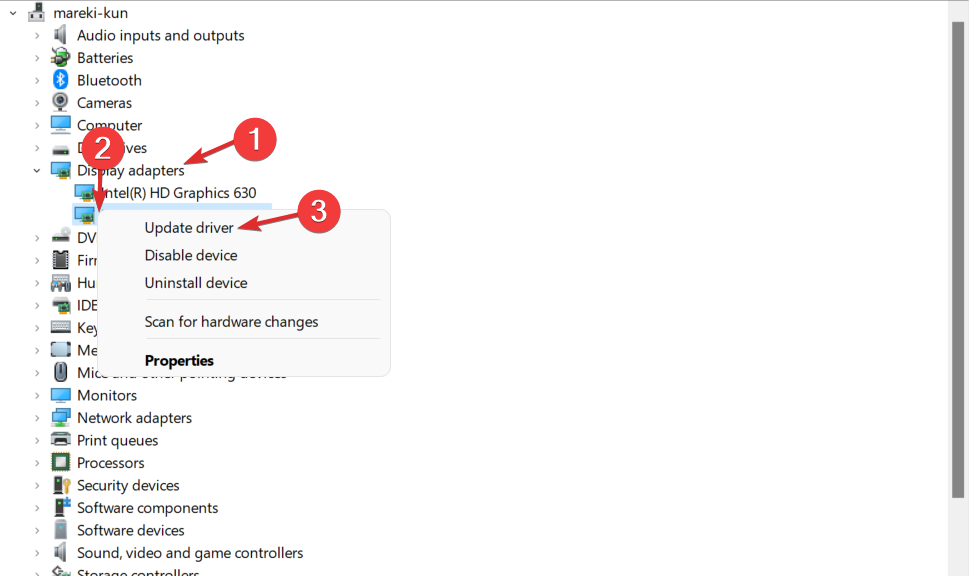
- Expand Display adapters, right-click your AMD GPU, and choose Update driver.
- Click Search automatically for drivers.

- Select Search for updated drivers on Windows Update.

- In Optional updates, check for available AMD graphics driver updates and click Download & install.
If you run into issues with outdated versions, this guide on fixing outdated driver errors in Windows 11 can help you troubleshoot.
Before proceeding with manual installations, it’s essential to check your chipset driver version. Ensure your system’s chipset drivers are up to date by visiting this detailed guide on checking and updating your AMD chipset driver version.
2. Use AMD’s Official Website
- Go to the AMD Drivers & Support page, enter your GPU model, and click Submit.

- Under Windows 11 – 64-Bit Edition, download the latest driver and install it.

You can also try AMD’s dedicated driver update tool for a more guided experience.
If you’re still on Windows 10, this article on AMD driver install problems may help resolve legacy issues.
3. Use AMD Auto-Detect Tool

The AMD Auto-Detect and Install utility is perfect for users unsure of their GPU details.
Simply download it from AMD’s website, run it, and let it scan your system. It will find and install the appropriate AMD graphics drivers for Windows 11.
This method is also useful if you’re facing the “No AMD graphics driver is installed” error on your PC.
You can explore broader troubleshooting steps in this AMD Radeon graphics problem guide for help with deeper driver issues.
4. Use AMD Adrenalin Software

If you already have AMD Software: Adrenalin Edition installed:
- Open the app from your desktop or taskbar.
- Navigate to Settings > System.
- Click Check for Updates and install if a new version is found.
Adrenalin includes tools for tuning, overlays, and gaming enhancements. If you’re also running NVIDIA hardware, see how to update NVIDIA drivers on Windows 11.
5. Use a Driver Updater Tool
Want to automate the entire process? Tools like Outbyte Driver Updater will scan your system for outdated drivers, including AMD, and install them in one click—no manual steps needed.
What Happens If I Delete AMD Software?
Removing AMD Radeon Software won’t uninstall your drivers, but you’ll lose access to gaming tools, overlays, and tuning features.
It’s recommended to uninstall Radeon Software before installing new drivers to avoid conflicts. Your screen may go black during this process—this is normal and temporary.
FAQs
Use AMD Adrenalin, the auto-detect tool, Device Manager, or AMD’s official website.
Not required, but it adds useful features like Game Advisor, overlays, and performance tuning.
Yes, but OEMs may offer custom versions, so check both the AMD site and your laptop manufacturer’s support page.
Use the AMD Cleanup Utility and refer to this guide on fixing the AMD graphics driver not installed error.

Read our disclosure page to find out how can you help Windows Report sustain the editorial team. Read more



Improve this guide

User forum
0 messages