
Microsoft Lays out Big Plan to Fix Windows 11 Quality in 2026


 4 min. read
  Published on
Microsoft has unveiled a comprehensive roadmap aimed at dramatically improving the quality, reliability, and usability of Windows 11. In a blog post published today, Pavan Davuluri, Executive Vice President of Windows and Devices, detailed a sweeping set of changes that prioritize user control, system performance, and a more refined desktop experience.
The initiative marks a significant shift in Microsoft’s development philosophy, moving away from major feature integration and toward polishing the core foundation of the operating system.
Microsoft is listening to the Community as highly requested features return
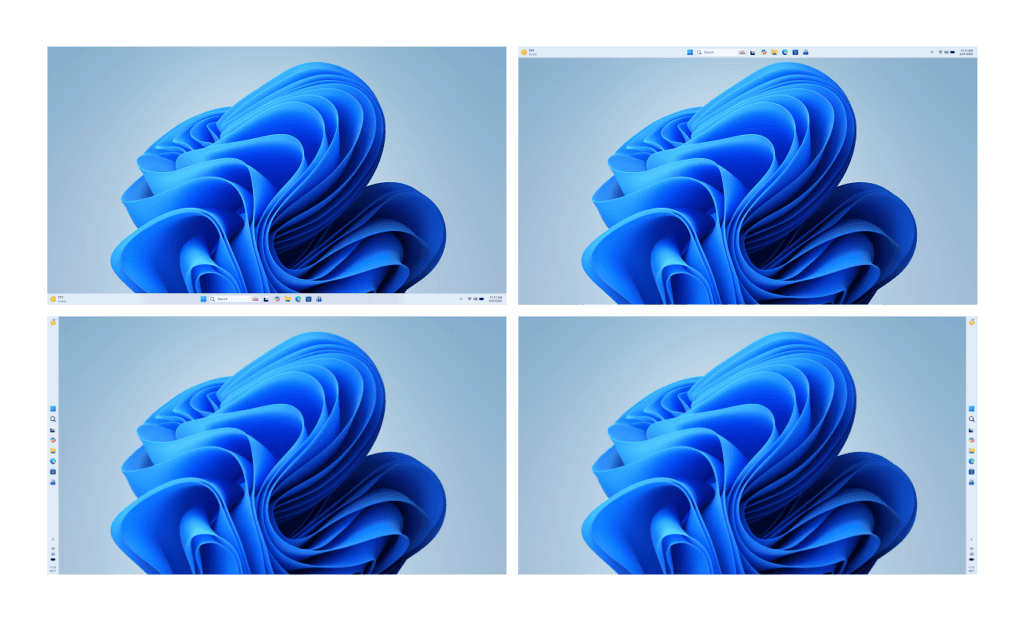
For months, the Windows Insider community has been vocal about its problems with certain Windows 11 design choices. Microsoft is finally answering the call, starting with one of the most highly requested features: taskbar customization. Upcoming Insider builds will reintroduce the ability to reposition the taskbar vertically on the left or right sides of the screen, as well as at the top, allowing users to personalize their workspace to fit their workflow.
Furthermore, Microsoft is taking a step back to reassess its aggressive artificial intelligence rollout. Davuluri noted that the company will be “more intentional” about where Copilot integrates into the OS.
To reduce clutter, Microsoft is removing unnecessary Copilot entry points from everyday apps like Snipping Tool, Photos, Widgets, and Notepad, focusing instead on implementations that are “genuinely useful and well-crafted.”
Microsoft will take the pain out of Windows updates
Windows updates have long been a source of disruption for users. To combat this, Microsoft is overhauling the update experience to give users far more control. Changes include:
- Setup Bypass: The ability to skip updates during initial device setup to reach the desktop faster.
- Power Options: Users can once again choose to restart or shut down their PCs without being forced to install pending updates.
- Extended Pausing: More flexible options to pause updates for longer periods, coupled with a reduction in automatic restarts and nagging notifications.
The broader strategy is built on three pillars: Performance, Reliability, and Craft
Beyond immediate UI tweaks, Microsoft outlined a broader strategy for 2026 built on three foundational pillars:
Performance:
Microsoft is targeting the sluggishness that has created problems for some Windows 11 machines. The company is actively working to reduce the operating system’s baseline memory footprint and resource usage. Core Windows experiences, such as the Start menu, are transitioning to the WinUI3 framework to drastically reduce interaction latency.
Additionally, the sluggish File Explorer is receiving a major under-the-hood rewrite to deliver faster launch times, smoother navigation, and substantially lower latency for search and file operations. Developers will also see elevated performance and network compatibility in the Windows Subsystem for Linux (WSL).
Reliability:
System stability is a major focus of the new roadmap. Microsoft is working closely with ISV and OEM partners to reduce OS-level crashes and improve driver quality. Users can expect smoother connections with Bluetooth accessories, fewer USB-related crashes, and more consistent device wake from sleep states.
Windows Hello biometric authentication is also getting an upgrade, with a promise of faster and more dependable fingerprint and facial recognition. Gamers will even see tailored improvements, like full gamepad support for secure PIN sign-in on handhelds like the ROG Xbox Ally X.
Craft:
Defining “craft” as the discipline of turning functional products into loved ones, Microsoft aims to reduce noise and distractions across the OS. The Widgets board, often criticized for being overwhelming, will now feature quieter defaults and more granular controls over what content is displayed.
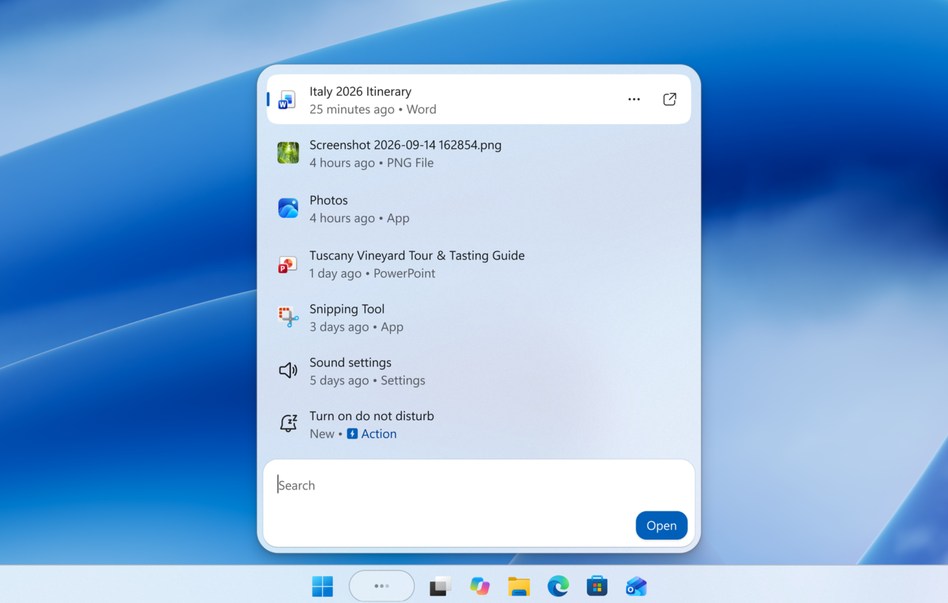
Device setup on new PCs will be streamlined with fewer pages, and system-wide search will be enhanced to deliver clearer, faster, and more accurate results. It will distinctly separate local files from web results.
Microsoft will revamp its Insider Program
To facilitate these changes, Microsoft is completely redesigning the Feedback Hub app, making it faster and more intuitive for users to report bugs and share ideas.
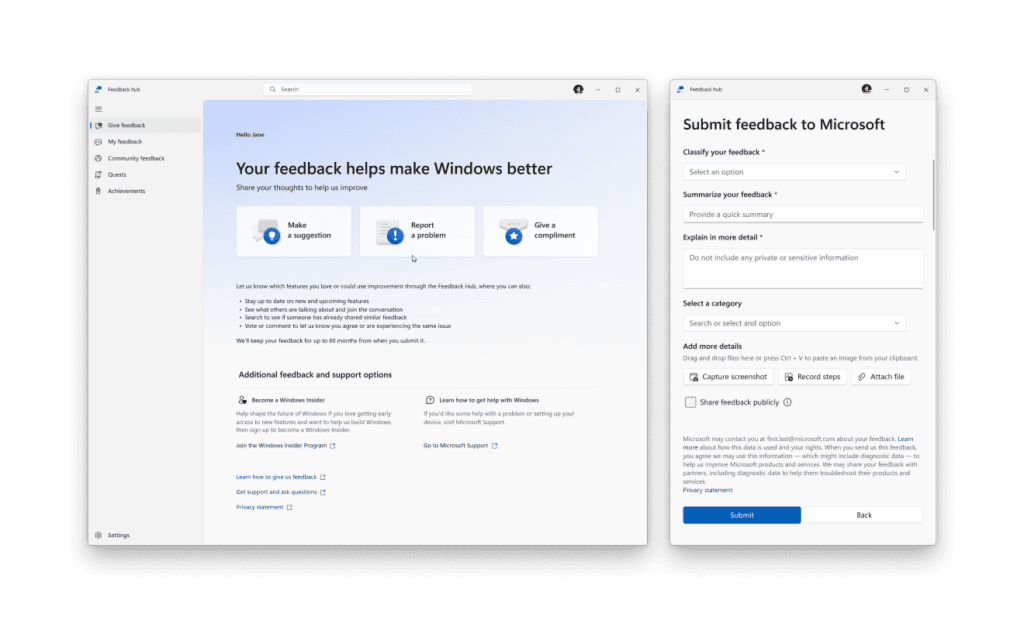
The Windows Insider Program itself is being restructured to provide clearer channel definitions, higher-quality builds with deeper real-world validation before release, and better visibility into how user feedback actually shapes the OS.
“Windows is as much yours as it is ours,” Davuluri stated, emphasizing the company’s commitment to strengthening the operating system’s foundation.
The first wave of these quality-of-life improvements will begin rolling out to Windows Insiders throughout March and April of 2026, with deeper architectural changes expected to debut over the course of the year.


Read our disclosure page to find out how can you help Windows Report sustain the editorial team. Read more



Improve this guide


User forum
0 messages