
Ex-Windows Boss Praises MacBook Neo, Says Microsoft Was “Early” on ARM PCs


 3 min. read
  Published on
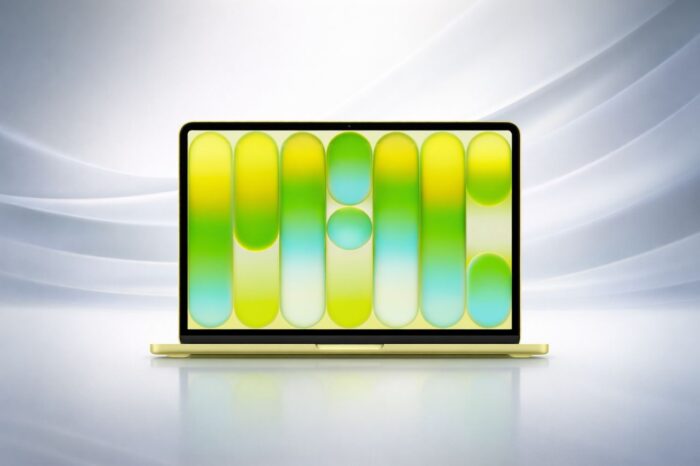
Apple’s new MacBook Neo is drawing attention not only for its performance and design, but also for what it represents in the evolution of ARM-based computing. The device recently earned praise from former Microsoft Windows chief Steven Sinofsky, who suggested the laptop reflects a strategy Microsoft once considered pursuing.
Apple has prominently featured Microsoft Office in promotional materials for the MacBook Neo, positioning the device as a productivity-focused laptop for professional workloads. The approach highlights Apple’s growing confidence in ARM-based systems as capable replacements for traditional x86 PCs.
Sinofsky Reflects on Microsoft’s Original ARM Strategy
Steven Sinofsky led Microsoft’s Windows division from 2009 to 2012 and oversaw the launch of Windows 8 and the original Surface RT. During his tenure, he strongly supported the idea that Windows should eventually transition away from x86 processors toward an ARM-based architecture.
Reflecting on Apple’s new device, Sinofsky said the MacBook Neo reminded him of the long-term direction he had envisioned for Windows and Surface. According to comments reported by Windows Central, Microsoft originally explored the possibility of shifting its ecosystem toward ARM hardware rather than maintaining it as a secondary platform.
Resistance From Developers and the Legacy App Model
At the time, however, the proposal faced resistance from both developers and users who relied heavily on existing Windows applications built for x86 systems. The legacy Windows software model created challenges for security, efficiency, and power consumption on newer mobile-focused hardware.
Sinofsky argued that the traditional Windows app ecosystem made it difficult to optimize devices designed for battery-efficient ARM processors. He suggested a cleaner platform could have enabled Microsoft to build laptops, desktop all-in-ones, and cellular-connected devices powered entirely by ARM chips.
Windows RT and the End of the Long-Term Vision
Windows RT represented Microsoft’s first attempt to bring that vision to market, but adoption struggled due to limited application compatibility and confusion among users. Sinofsky departed Microsoft shortly after the launch of Windows 8, ending his ability to continue pushing that strategy internally.
Looking back, he believes that if Microsoft had continued along that path, the company might have achieved a position similar to Apple’s with the MacBook Neo within a few years.
ARM Competition Continues to Intensify
Recent performance comparisons show how far ARM computing has progressed across the industry. Early benchmarks suggest that Qualcomm’s upcoming Snapdragon X2 Elite Extreme processor can compete with some Apple silicon configurations, though it still trails certain M5-based systems in raw performance.
Despite the challenges that followed Windows RT and Windows 8, Sinofsky praised the team behind that release. He argued the project delivered a level of innovation rarely seen in a single Windows version.
According to him, the strategy the team pursued at the time may have arrived too early for the market, but it was not fundamentally flawed.

Read our disclosure page to find out how can you help Windows Report sustain the editorial team. Read more



Improve this guide



User forum
0 messages