
Galaxy Book6 Ultra, Pro, and Base Models Launch Worldwide With Intel Core Ultra Chips


 2 min. read
  Published on
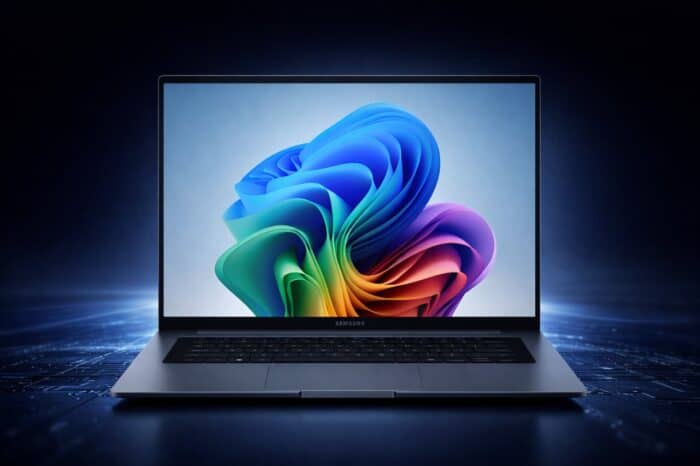
Samsung recently launched the Galaxy Book6 series in Europe, and the laptops are now expanding to global markets. According to Neowin, the lineup is currently available in the United States through Samsung.com, BestBuy.com, and Samsung Experience Stores.
Samsung Expands Galaxy Book6 Series Worldwide
The Galaxy Book6 family includes three models: Galaxy Book6 Ultra, Galaxy Book6 Pro, and the standard Galaxy Book6. These laptops target the premium Windows market and combine Intel’s latest processors with Samsung’s AMOLED display technology.
Pricing starts at $2,449.99 for the Galaxy Book6 Ultra, $1,599.99 for the Galaxy Book6 Pro, and $1,249.99 for the base Galaxy Book6. However, the base model is not currently available directly from Samsung’s online store at the time of writing.
| Feature | Galaxy Book6 Ultra | Galaxy Book6 Pro | Galaxy Book6 |
|---|---|---|---|
| Operating System | Windows 11 Home | Windows 11 Home | Windows 11 Home |
| RAM | 32GB | 16GB or 32GB | 16GB |
| Storage | 1TB | 1TB | 512GB |
| Display | 16-inch | 14-inch or 16-inch | 16-inch |
| Processor | Intel Core Ultra X7 358H or Core Ultra 7 356H | Intel Core Ultra 7 356H | Intel Core Ultra 7 Series 3 |
| Graphics | Intel Arc B390 | Intel integrated graphics | Intel Graphics |
| Starting Price | $2,449.99 | $1,599.99 | $1,249.99 |
Powered by Intel Core Ultra Series 3 Processors
All models in the Galaxy Book6 lineup use Intel Core Ultra Series 3 processors built on the company’s advanced 18A process node.
Samsung claims the chips deliver up to 60% faster CPU performance compared to previous generations. The processors also include integrated neural processing units capable of up to 50 TOPS of AI performance for on-device workloads.
AMOLED Displays and Premium Features
The Galaxy Book6 Pro and Ultra models feature upgraded Dynamic AMOLED 2X touch displays designed to deliver higher brightness and smoother visuals.
These displays support up to 1,000 nits peak HDR brightness, adaptive refresh rates between 30Hz and 120Hz, and improved anti-reflective coatings for better visibility in bright environments.
In other Samsung-related developments, the company could raise NAND flash prices due to growing demand, and it has also refined its HBM4E memory to improve power efficiency.

Read our disclosure page to find out how can you help Windows Report sustain the editorial team. Read more



Improve this guide




User forum
0 messages