
Samsung Could Double NAND Prices in 2026 Amid Exploding AI Demand


 3 min. read
  Published on
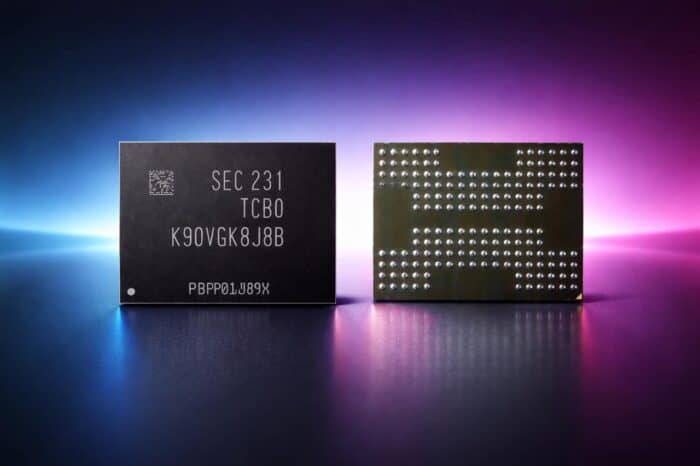
Samsung has been making headlines recently with the introduction of its HBM4 and power-efficient HBM4E memory, designed for next-generation AI workloads. Now, reports suggest the company is also preparing a major price increase for another key memory technology: NAND flash.
According to Sedaily, Samsung plans to significantly raise NAND prices during the second quarter of 2026, after already implementing increases earlier in the year. If the strategy moves forward as reported, the combined price hikes could push NAND costs up by more than 200% throughout 2026.
AI demand is reshaping the memory market
The move reflects rapidly growing demand from the AI sector. As hyperscalers expand infrastructure for training and running large AI models, storage capacity has become just as important as compute power.
NAND flash, which powers SSDs used in servers and data centers, plays a critical role in storing training datasets and handling long-context workloads. Industry sources say memory manufacturers now hold stronger negotiating power in supply discussions, allowing them to push through aggressive price adjustments.
Companies that rely heavily on large-scale storage systems often have limited alternatives, especially during periods of high demand.
Other NAND manufacturers are expected to follow
Samsung is not the only supplier expected to raise prices. Other major NAND producers, including SK hynix and Kioxia, are reportedly preparing similar increases as the memory market tightens.
The NAND market has already experienced extreme volatility. Prices reportedly surged by around 450% last year as manufacturers balanced production between DRAM and NAND while demand for AI hardware accelerated.
AI infrastructure driving storage demand
AI infrastructure increasingly depends on high-capacity SSD storage to support massive datasets. Modern AI platforms, including NVIDIA’s Vera Rubin systems, require large volumes of fast storage to process training data efficiently and maintain extended context windows during inference.
Major memory vendors such as Samsung, SanDisk, SK hynix, and Kioxia are now attempting to capitalize on strong hyperscaler demand tied to AI expansion.
Potential impact on consumer hardware
If the projected price increases materialize, the effects could extend beyond the data center. Higher NAND costs would likely translate into more expensive SSDs, tighter supply for PC manufacturers, and rising prices for consumer hardware.
Analysts expect the NAND market to follow a trajectory similar to the recent DRAM supply crunch, though some forecasts suggest NAND price growth could be even more aggressive due to AI-driven demand.
In related news, Samsung is reportedly in discussions with ByteDance about developing a custom AI chip designed for large-scale AI workloads.
Via Wccftech

Read our disclosure page to find out how can you help Windows Report sustain the editorial team. Read more



Improve this guide


User forum
0 messages