
Microsoft and NVIDIA Team Up to Accelerate Nuclear Energy Development With AI


 3 min. read
  Published on
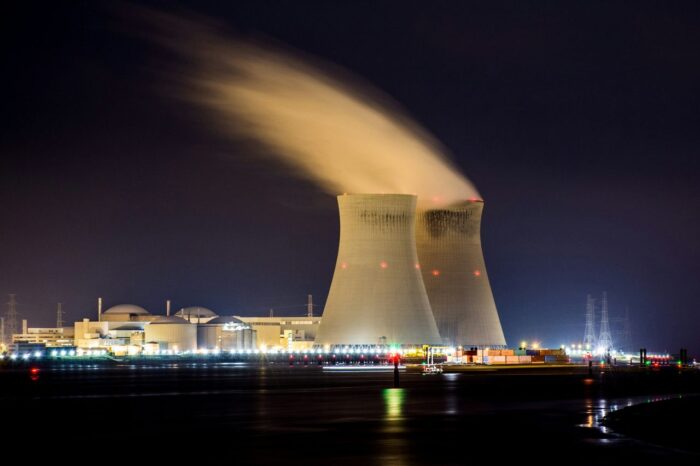
Microsoft and NVIDIA are teaming up to bring AI into nuclear energy development, aiming to speed up one of the world’s most complex and heavily regulated industries. The move reflects growing pressure to deliver always-on, carbon-free energy as AI workloads and digital infrastructure demand surge globally.
Nuclear energy faces long-standing bottlenecks
Nuclear power has long been seen as a reliable clean energy source, but progress has remained slow due to outdated workflows, fragmented data systems, and lengthy regulatory processes. Microsoft and NVIDIA now want to change that by introducing AI across the entire nuclear lifecycle.
AI transforms the nuclear lifecycle
At the core of the partnership is the use of advanced AI models and simulation tools to streamline permitting, design, construction, and long-term operations.
By combining Microsoft’s cloud and AI ecosystem with NVIDIA technologies such as Omniverse, CUDA-X, and AI Enterprise, the companies are building a unified digital environment tailored for nuclear development.
Faster permitting and reduced paperwork
One of the biggest bottlenecks in nuclear projects has been permitting and compliance. AI now helps automate document generation, reduce manual paperwork, and improve audit readiness. This allows engineers to focus more on safety-critical decisions rather than administrative overhead, while also accelerating approval timelines.
Digital twin technology plays a central role in the initiative. These real-time simulations allow teams to test designs faster, monitor construction progress, and detect potential delays before they escalate. As a result, projects can move forward with greater predictability in both cost and timelines.
AI-driven systems are also improving plant operations after deployment. Predictive maintenance powered by sensors and machine learning models helps identify issues before failures occur, increasing uptime and overall grid reliability.
Early adoption shows strong results
Early adoption already shows measurable impact. Aalo Atomics reportedly reduced permitting time by 92% while saving around $80 million annually. Southern Nuclear is using Copilot-powered agents to assist with engineering and licensing workflows, while Idaho National Laboratory has automated complex safety and engineering documentation processes.
Microsoft is also expanding its nuclear AI ecosystem through partnerships with companies like Everstar and Atomic Canyon, bringing specialized tools into its Azure platform. This broader network aims to standardize how nuclear projects leverage AI, reducing fragmentation across the industry.
A push for faster, scalable clean energy
The overall goal is clear: deliver nuclear energy faster, at lower cost, and with improved reliability, without compromising strict safety and regulatory standards. As global energy demand rises alongside AI adoption, scalable nuclear power could become a critical backbone for future infrastructure.
While Microsoft and NVIDIA continue to collaborate on major initiatives like this, the two companies have expressed differing views on the timeline for artificial general intelligence. At the same time, Microsoft’s broader AI strategy faces added complexity due to its evolving relationship with OpenAI.
Meanwhile, NVIDIA is pushing further into infrastructure innovation, with plans to explore space-based data centers through new modular systems, highlighting how rapidly the intersection of AI and energy is evolving.

Read our disclosure page to find out how can you help Windows Report sustain the editorial team. Read more



Improve this guide


User forum
0 messages