
NVIDIA Rubin to Drive HBM4 Demand as Samsung, SK Hynix, and Micron Near Validation


 3 min. read
  Published on
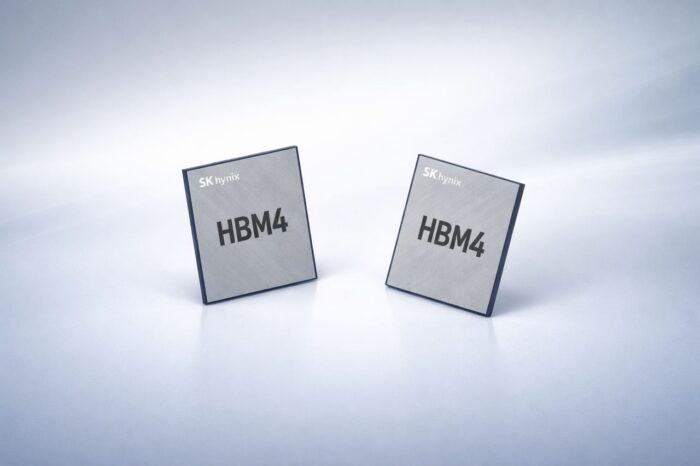
TechPowerUp reports that NVIDIA’s upcoming Rubin platform will play a key role in accelerating HBM4 adoption once mass production begins. The next-generation AI platform could significantly increase demand for advanced high-bandwidth memory as cloud providers scale AI infrastructure.
Rubin’s commercial ramp will likely coincide with broader AI server expansion, especially across North American cloud service providers that continue to increase inference workloads.
Samsung, SK Hynix, and Micron Near HBM4 Validation
The three major memory suppliers, Samsung, SK hynix, and Micron, are in the final stages of HBM4 validation. Completion is expected by the second quarter of 2026.
Samsung, which recently announced its HBM4 progress, is projected to secure certification first, thanks to strong product stability. SK Hynix and Micron are expected to follow shortly after, forming a three-supplier HBM4 ecosystem.
TrendForce expects NVIDIA to source HBM4 from all three vendors. Strong demand, complex design requirements, and sheer volume needs make it difficult for a single supplier to handle the total capacity.
Diversified Supply Seen as Strategic for Rubin Ramp-Up
Reliance on a single memory supplier could slow Rubin’s rollout. A diversified HBM4 supply chain reduces risk and ensures smoother AI server deployment.
SK hynix may maintain a strong bit allocation advantage due to its long-standing partnership with NVIDIA in the HBM segment. Micron trails slightly in validation progress but remains on track to complete HBM4 validation by 2Q26 and participate in supply shipments.
Samsung currently leads validation progress and is expected to begin phased mass production after completing validation in the second quarter of 2026.
AI Infrastructure Boom Fuels HBM Demand
Since late 2025, rising AI infrastructure expansion and growing inference workloads have boosted HBM demand momentum. NVIDIA remains cautiously optimistic about Rubin’s commercial outlook as cloud service providers accelerate AI server deployments.
At the same time, broader memory shortages and rising conventional DRAM prices are pressuring supply dynamics. The profitability gap between HBM and standard DRAM has narrowed, prompting vendors to adjust capacity allocation.
Memory manufacturers are now balancing HBM production with conventional DRAM output to maintain revenue growth while honoring customer commitments. Many suppliers are also shifting toward shorter-term contracts amid ongoing market instability.
In related developments, Samsung has shipped LPDDR6X samples to Qualcomm. While separate from HBM4, the move highlights continued competition and rapid innovation in advanced memory technologies.
As Rubin approaches commercialization and HBM4 validation nears completion, the next phase of AI memory competition appears set to intensify across all three major suppliers.

Read our disclosure page to find out how can you help Windows Report sustain the editorial team. Read more



Improve this guide


User forum
0 messages