My history with OneDrive and how Windows 10 changed it

Image Credit: OneDrive
Cloud storage applications are becoming a dime a dozen. The competitive market for file sharing, management and storage has evolved into a wild west of cloud-connected services. When it comes to the cloud, there are established players in the game, as well as single function specialists rounding out the category.  As the various services continue to compete, consumers can now line up for a buffet of storage space to what was once a niche enterprise provision.

The History

When I first dipped my toes into cloud storage, I think my path started like many others, with Dropbox. My wife (then girlfriend) was moving in with me and the space reserved for the child-like memorabilia in my home was about to get repurposed, to put it nicely. I had to let go of some things, one of which was my comic collection. Truth be told, it sat there as constant reminder of the comics I would never again touch because it was becoming too much work to organize. I made the switch to digital comics but wanted to maintain some level of hoarding, so I sought out recommendations. I tried external storage drives for some time, but that process became the digital equivalent of what I was doing before. I would still be putting my comics in a corner that I would have to go to each time I wanted to access them. Also, I would need to have a PC around to access them (this was well before the Surface showed up). I needed something different, something more. At the time, it seemed like Dropbox was the only option to go with when it came file management online, and my local comic shop owner was smitten with the product. For my limited purpose needs, Dropbox did the job, and it did it well. From device to device, I could pull up years of superhero adventures at the touch of an icon.

As I continued to reacquire my comic collection, I soon bumped up against the limited free storage options Dropbox had back then. Since I was spending my money on the curated collection, I didn’t have extra pennies to pay for more storage, nor did I want to. I soon developed a workflow of adding and dropping collections to and from external drives to Dropbox, creating a living library on the go. Then Microsoft stepped back into my digital life. Like many, I signed up for a Hotmail account back in the day. I got mine when I was first in college. It added to a sense of liberty and rebellion as I moved away from home and AOL (yep, I’m that old). Unfortunately, the era of Hotmail was short-lived. By the time I graduated and started working, the ultra-exclusive Gmail beta became the talk of the town. I jumped ship and left Hotmail in my rearview mirror. I felt like I used Gmail like many others did at the time, I gave out my Gmail address more than I received emails to it. It was the hip thing to do at the time when imputing contact information was a manual experience for “smartphones.” Perhaps like a lot of people, my needs were met with the combination of Gmail and Dropbox for much of my digital life at the time.

Image Credit: drwindows.de

I finally moved back to Hotmail when I dropped Chrome usage from my PC. As I started to use IE more and more, I decided to dust off the old’ Hotmail address. Right around the time I started adjusting my email flow back into Hotmail, Microsoft finally decided to highlight their buried cloud storage service, SkyDrive. I had 7 GB of free storage just sitting there unused for god knows how long. That was five more GB of storage than Dropbox was offering. I immediately ported over my comic collection to my new ‘massive’ storage space. It wasn’t until Windows Phone 7 came out in 2010 that I finally said goodbye to Dropbox for good. As part of Microsoft’s value proposition for Windows Phone, they marketed a promotion of 25GB to coincide with auto backups from the phone’s photo catalog. Overnight Dropbox became a non-starter for me. Microsoft continued to funnel my life through their storage. My Office files along with my photos, my emails and my comic collection were all gathered in one neat cloud-connected storage space.


The use of SkyDrive/OneDrive

I’ve used Windows for years now, and the SkyDrive/OneDrive integration had become increasingly pleasant. In Windows 7, SkyDrive was a native client experience. For any of my Windows 7 devices, I would go find a SkyDrive .exe file, download it onto my computer and 3 minutes later my PC would have a chickenpox like outbreak of SkyDrive/OneDrive icons. There would be an icon in my taskbar, one on my desktop screen, and another in my file explorer. The desktop implementation of SkyDrive on Windows 7 amounted to a little more than a File Explorer plugin. The plugin allowed me to drag and drop any size file or folder into the cloud storage area as if natively stored on an HDD or SSD. Unfortunately, that’s what SkyDrive/OneDrive excelled at, eating up storage space. As PC were coming equipped with 250 and 500GB of built in storage, 7 to 25 GB didn’t seem to amount a whole lot in the grand scheme of things. Microsoft also built a thin Web version of SkyDrive/OneDrive, but it had a lot of restrictions. From 300MB upload file caps to limited management options, the best solution for SkyDrive functionality was the client. As Windows 8 rolled around, SkyDrive/OneDrive became even more accessible. The SkyDrive/OneDrive desktop app worked on Mac OS X Lion, Windows Vista, Windows 7, Windows Phone 7, and Windows 8 devices. Unfortunately, the dual nature of Window 8 may have confused and frighten off some potential SkyDrive/OneDrive users. In Windows 8, there were now multiple apps and ways to access content all with differing strength’s and weaknesses.

In Windows 8, I could access SkyDrive/OneDrive through 3rd party Windows Store file apps that would latch onto SkyDrive/OneDrive APIs. Since the desktop was there, I could also access the File Explorer plugin as I did in Windows 7 and in certain ‘Share’ instances contextual parts of SkyDrive/OneDrive would appear. As though that wasn’t enough, Microsoft also bundled a modern SkyDrive/OneDrive app into Windows 8 and 8.1 as well.

Image Credit: OneDrive


‘Smart Files’ changed the game

In Windows 8, SkyDrive/OneDrive also did this neat little trick of utilizing ‘smart files’. Smart files were cleverly renamed placeholders that essentially left the portion of the file image on a device and while the majority of the file remained in the cloud. The new approach differed from the carbon copy file approach of SkyDrive/OneDrive’s File Explorer plugin for previous versions of Windows. Instead of SkyDrive/OneDrive occupying 7 to 25 GB of space on my hard drive, I could now see all 25 GB of my cloud storage while only 750 MB of space was being used on my local device. As Microsoft’s cloud ambitions grew, adding ‘smart files’ became a godsend. When I finally made the move to Office 365, and my online cloud storage was bumped up again, using smart files to see, my entire SkyDrive/OneDrive library became a necessity. I was now the proud manager of 75 GB of storage, but only roughly 2.5 GB were being used on my laptop. Smart files were a luxury I hadn’t truly appreciated until I made the move to an ultrabook though. When I bought my Lenovo Yoga Pro 2, Microsoft’s foresight became quickly evident. A laptop with 128 GB needed the smart files system as much as any other Windows tablet with limited local storage.

Windows 10 broke everything

Throughout my time with Windows 8 and 8.1, I started using OneDrive much more fluidly. I would save email attachments directly to the drive, drag and drop documents, photos and comics straight from my desktop into one of the various access points found in Windows 8. I was also utilizing the auto backup feature on my Windows Phone to document my life when I was away from my PC. As my work life, personal life and even my geeky comic book life merged, OneDrive was at the center of it with relative ease.

Then the Windows 10 Insider Technical Preview showed up and broke everything. With the Windows 10 Insider Technical Preview, I felt Microsoft pulled an Apple. They broke something great and promised to rebuild something better. Much like Windows journalist Paul Thurrott, I brushed this new development off as a technical issue that would be addressed in later builds. Then Microsoft lowered the hammer and confirmed that my life saver, smart files, would not be returning. Once again, Paul Thurrott and I were on the same page,  “Microsoft was making a huge mistake.” Instead of smart files, we got some zombie version of OneDrive file management akin to my Dropbox days. In Windows 10, placeholders are gone, and synced files/folders have to be manually established. Once a file or folder is synced, it takes up space on your local drive to offer better accessibility. Since I’ve been using SkyDrive/OneDrive, I’ve seen my online storage capacity jump from 7GB to now unlimited or 10.1 TB. Syncing folders of 80-100GB is no longer an option for me on a 128 GB SSD ultrabook. I had to figure out something and quick.

Image Credit: OneDrive

My new workflow

As I preferred the native client experience on Windows, and the Windows Phone OneDrive app seemingly kept missing updates rounds for mobile, I peacefully ignored all the work the OneDrive team was doing for the future. Thankfully, the OneDrive team persisted in their web client development. Since the Windows 7 days, the OneDrive team has brought the web version of OneDrive up to par (or close enough) to the native client. I fell back to using the web app version more than I did the Frankenstin’s monster version of OneDrive sync on the desktop. As much as I was a cynic of the Chromebook and ‘always on’ functionality, I have to admit, that it has more merit than I thought. I’m fortunate to live in an area where WiFi is pretty abundant, and connectivity is only an issue when I am driving. Much of my work can be done either directly online or done locally and eventually synced later, but the point is, I need the internet eventually to accomplish most things. That being said, I’ve decided to forego the bastardization of OneDrive on the desktop and start using the Web client as my preferred choice.

Today, I hop on IE11 or Edge, click on my favorites tab and draw up the OneDrive web app. I can still drop and drag most things and just like in Window 8.1 they eventually sync based on my internet connection. Using the OneDrive web app also means I’m in no fear of using my very limited local storage space. I can now add and remove files freely from my PC to my OneDrive, much like I did in 8.1. With many of the native management features finally making their way into OneDrive.com, I find that the web app is almost just an extension of the native file explorer. The downside to this new workflow is that upload times are significantly slower. I used to be able to drag a 3GB size movie or graphic novel into my OneDrive file explorer plugin and in 20-30 seconds it would be in my online storage. It would sync in the background regardless of what else I did. Not only does it take much longer than 30 secs, but I have to stay fully aware that its syncing through my browser. I now have to leave my browser open until it’s done, or risk starting the process all over again. I became acutely aware of this occurrence when Microsoft introduced their Music Locker feature in OneDrive. I had my laptop and browser continuously open for eight days while I uploaded my music to OneDrive.

OneDrive and the future

Image Credit: WinBeta

According to Microsoft, the break in functionality from how OneDrive worked in Windows 8 and 8.1 to Windows 10 is done to address OneDrive’s ‘infinite scaling’. To their credit, that make sense. As my storage continued to grow, the space on my PC was continuing to dwindle, even with smart files in place. As Microsoft pushes tablet devices like the Surface Pro 3 or even the HP Stream, the company is very aware of the limited local storage space devices like these have. Offering 50 to 100 GB and in some cases, infinite storage, is useless to consumers if they have no way to access their content adequately. If I had to guess, the Windows 10 OneDrive sync plugin is a stop gap measure as the team continues to hammer away at the web client. The way modern browsers are shaping up, some web experiences could potentially be indistinguishable from native ones. I understand this doesn’t address areas of low to non-existent internet connections that Windows 10 will be used in. I would assume the Frankenstein OneDrive sync option would still be available. However, for those of us in internet connected communities, saving and syncing via a native client or a well-developed web app shouldn’t matter much. Maybe that’s the future Microsoft is envisioning with its rebuilding of OneDrive in Windows 10.

Is your Surface Pen not launching OneNote? Here’s how to pair it with your Surface 3

Is your Surface Pen not launching OneNote? Here's how to pair it with your Surface 3

I’ve recently unboxed a brand new Surface 3 and Surface Pen, and was relieved to see that they survived the transcontinental trip they took to get to me. I could write with the Surface Pen, but for some reason, the OneNote button on the pen didn’t do anything. Clicking it once didn’t launch OneNote, and double-clicking it didn’t take a screenshot like it would in the Surface commercials I’ve seen.

A quick search finally revealed that the Surface 3 will not prompt you to pair the Surface Pen via Bluetooth during Windows setup, like it would with the Surface Pro 3. This is understandable as the Surface Pen is not bundled with the Surface 3 like it is with the Pro 3.

Is your Surface Pen not launching OneNote? Here's how to pair it with your Surface 3

To pair the Surface Pen, you need to swipe the Charms menu out from the right-edge of the screen, tap Settings, Change PC Settings, PC and Devices, Bluetooth, and ensure that Bluetooth is turned on.

If a Surface Pen is already listed, you’ll need to click it, then click Remove Device. If it isn’t, then you’ll need to hold down the top button on the Surface Pen for seven seconds until a light on the pen begins to flash. The Surface Pen should shortly appear in the list of Bluetooth devices on the Surface 3. Simply click it, then click Pair and that’s it, the Surface Pen should now be paired to your Surface 3.

Is your Surface Pen not launching OneNote? Here's how to pair it with your Surface 3

Using the Surface app, you can customize the top button on the Surface Pen to launch either the desktop or Modern versions of OneNote, whichever you prefer.

I’ve never paid any attention to the booklets and instruction manuals that accompany the tech gadgets I’ve bought over the years. Blenders, microwaves, and other kitchen appliances, yes, because they confuse me, but never for phones and tablets. I certainly didn’t read the ones that came with the Surface 3 and Surface Pen, even though in hindsight, I should have.

Microsoft Adds MKV Support to Windows Phone

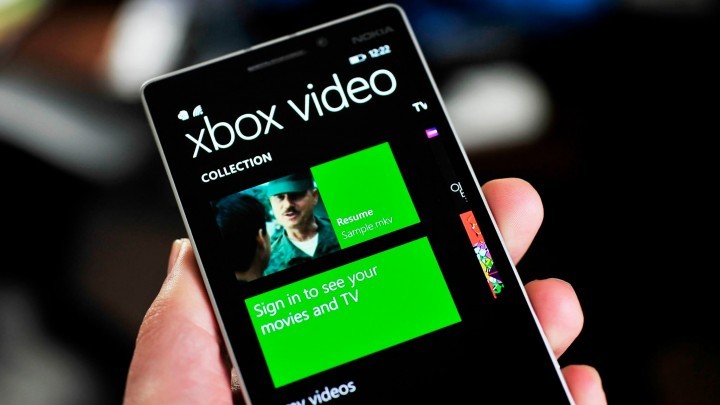
Windows Phone 8.1 recently received the GDR2 update, and among other features that came with the update, Microsoft integrated support to Matroska video files or MKV to the Video app.
mkv support wind8apps
Users of some Lumia phones powered by Windows Phone 8.1 devices were surprised when they received the GDR2 update before upgrading to Windows 10 Technical Preview. GDR2 update brought some interesting features and improvements, and one of the improvements is support for .MKV video files.

Support of .MKV files will be integrated with the Xbox Video app, as users will be able to play .MKV files directly from the app, without having to convert them first. So if you have any .MKV movies, TV show or other kinds of video stored on your phone or external memory, Xbox Video app will display them under ‘my videos’ section and you’ll be able to play them within the app, just like any other supported video format.

Although Microsoft didn’t announce that this feature will come with GDR2 update, we’re not much surprised, because Microsoft added MKV video support to the Xbox Video app for desktop version of Windows 8.1, and we could expect the company to do the same thing with the mobile version of the app. It’s certainly good to see Microsoft expanding the list of supported video formats, because  Also, Matroska video support will be integrated with Windows 10 by default.

It’s certainly good to see Microsoft expanding its list of supported video formats, because video files come in various ‘forms’ these days, and having a certain format supported could save you a lot of time, because you don’t have to convert it. If you didn’t get the GDR2 update, you can use VLC for Windows Phone as an alternative for playing .MKV video files.

Read Also: Strategy Game ‘Age of Sparta’ Available as Free Download from the Windows Store

Truecaller for Windows Phone Update Brings Improved Spam Detection and More

Truecaller is useful Windows Phone app that allows you to manage your incoming calls. Recently, the app received an update which improved its functionality even more. The new update brought better spam detection system as well as some other handy improvements.
truecaller wind8apps
Truecaller is probably the most powerful app for managing incoming calls in Windows Phone Store. It allows you to block calls from a certain number, identify unknown incoming calls, and more. You can create your own spam/unwanted list and Truecaller will automatically block any calls from any number of that list.

The latest update of the app, which goes by the number of 5.1.0 offers a handful of new features, improvements and bug fixes. And the most notable change is improved spam detection system, which searches the Truecaller’s global spam list and blocks all incoming calls from the ‘members’ of that list. Truecaller also comes with a new Live Tile, which will notify you if you have some notifications or alerts.

Truecaller eventually received another update, 5.1.1 a couple of days ago, but that update didn’t bring any new features or improvements, but was focused on bug fixes only. So all important updates of the app have been made in the 5.0.0 version.

Here’s the complete changelog of v5.1.0 and v5.1.1 updates:

v5.1.0
Introducing an all new Truecaller 5 with a complete re-design and some awesome updates!
– Excellent Spam detection with real time access to Truecaller’s global Top Spam List
– Blacklist Spam numbers in real time
– Boosted Search within your personal contacts, or within Truecaller’s network
– Save searches directly into your Contacts
– Enhanced Contact Search
– Live Tile for Truecaller notifications
– Various bug fixes
v5.1.1
– Bug fixes

You can download Truecaller for free from Windows Phone Store or directly from your mobile device.

Read Also: Microsoft Releases New Features for the Surface Pro 3 Pen and Surface RT

Intel CEO Brian Krzanich isn't banking on Windows 10 to revive the PC market

Image Credit: Channel 9

The world of personal computing is in flux. Traditional PC users are finding new and creative ways to accomplish their computing goals. For a two to three year span, some people found tablets to be their go-to personal computing devices. For other users, the smartphone continues to be a more than an adequate mobile computing device. Part of this transition comes from the growth in cloud computing over the past few years. As businesses continue to invest in cloud infrastructures, their services and applications are being built lighter and off loading a lot of processing power to the cloud. People who used to depend on desktops or laptops to process their resource-intensive workloads are now shifting their workflows to thinner clients and browsers. The need to own a PC is slowly eroding.

Unfortunately, for both Microsoft and Intel, many of their recent efforts to resuscitate the PC market have been met with a growing apathy towards traditional devices. Intel CEO Brian Krzanich doesn’t see the mounting indifference in recent PC adoption changing anytime soon, even with Microsoft’s latest Windows 10 offering. During a shareholder meeting, Krzanich disclosed, “We are going through another transition, Windows 10 upgrades…We’re seeing some quarter-to-quarter pushing, but we continue to take a view of our long-term forecast. The PC market should be flat to slightly down mid single-digits over the long-term.” Krzanich’s realization comes on the heels of Gartner’s first quarter report of a 5.2% drop in quarterly global shipments year over year. Business Insider is also reporting that Intel had to cut nearly a billion dollars off their revenue forecast in March due to weak demands for business desktop PCs and the end of a Windows XP upgrade cycle.

Image Credit: CNET

While the forecast for the PC market looks all but fated for Intel and Microsoft, both companies are looking to new horizons for transition. Much like Microsoft, Intel is looking for growth outside of their traditional money makers. Intel is hoping that their investment in their data center business will offset their losses in PC sales. Fortunately for Intel, the company saw an 18% growth in their data center business and the company expects to see the Data Center Group grow into a $14 billion dollar endeavor this year alone. Last quarter, Intel reported that their Data Center Group brought in $1.7 billion in operating income. According to Intel, the Data Center Group accounted for 65% of Intel’s total for last quarter. That increase in operating income made the group the largest of any Intel business segments last quarter. Krzanich expands, “We look at it as our next big growth engine for the company.”

Like Intel, Microsoft finds themselves in a similar transitional period. With free upgrades going out to consumer PCs later this year, as well as restructuring their traditional big box licensing approach to Office, Microsoft is investing in their other businesses to keep them buoyed through the next few rough quarters. The competition hasn’t been stagnant or lenient to either company, to further complicate situations. We have yet to know if either Microsoft or Intel can make a financially successful switch from their dependencies on the PC market, to becoming market leaders in other businesses. Fortunately, for Microsoft and Intel, the measured decline in PC shipments is still buying them a few more quarters to figure it out.  

Windows 10 news recap: build 10122 and 10125, upgrade paths, and more

Windows 10

Welcome back to the Windows 10 news recap for the week last week. This week, Microsoft kicked off with clarification on which versions of Windows would get what edition of Windows 10. a blog post on Microsoft’s Australia Partner Network offered more detailed information about the specific paths for upgrading to Windows 10. As previously mentioned, but now further spelled out, devices that take advantage of the free upgrade will receive ongoing Windows 10 updates for the life of that device and the free upgrade to Windows 10 will be delivered through Windows Update.

Also this week, a new build of Windows 10 was released to Windows Insiders, build 10122 which includes numerous features and changes. This new build is now available for fast ring participants and you can download it right now from the Settings app (Update & Security > Windows Update). According to Microsoft’s Gabriel Aul, this particular build is “buttery smooth” and a “nice improvement from 10074.”

Furthermore, we exclusively unveiled a number of new changes in a more recent build of Windows 10, being 10125. Windows 10 Build 10125 is an unreleased and unleaked build of Windows 10 which includes a number of new changes and features over the last public preview build which is build 10122. Build 10125 includes new icons, improved customization to Start and a back button for tablet mode.

We also learned this past week that Microsoft Edge will support loads of audio standards, let you know which tab is playing audio, and let you pin your favorite website to the Start Menu.

Phil Spencer revealed that Windows 10 Beta for Xbox would take place “post-summer.” Finally, it was revealed this week that newer versions of Windows 10 are better at getting better at protecting against malware. According to Tim Rains the chief security advisor for Microsoft Worldwide Cybersecurity & Data Protection, the latest versions of Windows see lower malware infection rates.

There you have it, another week of Windows 10 news. What was your favorite story?

WinBeta Podcast 16: Windows 10 build 10122, Snapchat, Xbox One and more

WinBeta Podcast logo

Welcome to another addition of the WinBeta Podcast. Each week we discuss the top Microsoft related news.  This week we discuss latest Windows 10 build, the Google Admob drop in advertising revenue on Windows Phone, the HERE Maps Bidding war, and more.

We broadcast each week live on YouTube at 3PM EDT and then post the video and audio which are embedded below. You can also listen to us on iTunes, the Windows podcast app, TuneIn, and watch us on YouTube.

Whether you’re looking for good discussion and insight on Windows news, or just a good time with some guys who love tech, you’ll enjoy the podcast. The full episodes of the show discuss the Windows news of the week and then after each week’s episode recording we have a general discussion and Q&A with our viewers. This week we had a good set of questions about Windows 10 and other Microsoft related questions.

Links to the stories discussed this week:

Windows 10 build 10125: Windows Hello finally makes an appearance

Windows 10

Microsoft announced Windows Hello a few months ago, but has been rather quiet on the feature since. Windows Hello is a new form of security for your Windows PC which allows you to login with your face. It requires special hardware with IR sensors which checks to make sure it is actually you trying to login.

Windows 10 build 10125 finally has the option to use Windows Hello, and setting it up is very easy. The option is in the sign-in options in the Settings app, and also requires a PIN to be set before Windows Hello can be enabled.

Windows 10

As said above, this features requires hardware in which we do not have access to, so we’re unable to actually show it to you in action. However we can show you the setup process.

There’s a small amount of customization for Windows Hello too. You can turn automatic unlock once it detects your face on and off, and you can add extra security measures by requiring Windows to look at not only the front, but both sides of you face as well.

Windows 10

Stay tuned at WinBeta for more news regarding Windows 10 leading up to RTM in a couple months. Windows 10 build 10125 is an unreleased and unleaked build.

Windows 10: Start customization improves with quick links

Windows 10

Windows 7 users will be glad to know that in the most recent builds of Windows 10, the ability to customize the quick links is now back, meaning you can change what shows up below the Most used apps list.

Windows 10 Build 10125 finally enables the Customize list area in the Settings app, and it allows you to change the quick links which are listed below the Most Used area. Windows 7 users have the same functionality on the right hand side of the Start Menu.

As of right now, you can pin File Explorer, Settings, Documents, Downloads, Music, Pictures, Videos, HomeGroup, Network and Personal Folder to the quick links area. It is unknown if more options will be added in future builds.

Being able to customize the quick links area of the Start Menu will definitely please Windows 7 users, and will allow the Start Menu / Screen to be even more personal to each individual user.

Check out our hands on video of build 10125 below and let us know what you think. Windows 10 build 10125 is an unreleased and unleaked build.

OneNote expands its partnerships with cloudHQ, Equil, and WordPress

Image Credit: WinBeta

Microsoft’s darling note-catching app, OneNote, is expanding its appeal and functionality with a OneNote partner ecosystem. The OneNote partner ecosystem was designed as a way for developers to connect their products and services to OneNote through APIs. Microsoft continues to turn their apps into platforms that unify developers and users. During //Build/ 2015, Microsoft made news when they mentioned that Outlook would also undergo a platform like transition by having apps like Uber surface contextual assistance.

Along the same lines, OneNote’s partner ecosystem has been welcoming a wide variety of complimentary partners. OneNote’s new partners are extending its services to a wide range of apps, devices, and services like scanners, mail apps, and news reader tools. Just recently, OneNote welcomed three bigger named partners to the fold. The OneNote team is announcing via their Office Blog, the inclusion of cloudHQ, Equil and WordPress into OneNote.

cloudHQ

Image Credit: OneNote Blog

cloudHQ and OneNote have now combined to offer an easy cloud-based collaboration solution. For users who deal with cloud services on a daily basis, cloudHQ helps to bring them all together so users can share files, notes and pictures. Now users can opt to utilize OneNotes automatic sync features to sync a OneNote notebook with folders from Dropbox or accounts in Salesforce. Users of either service will be able to edit their information, in real time, without having to download plugins or .exe files.

Equil

The Surface Pro 3 has been deemed the OneNote tablet, partly due to Microsoft’s marketing efforts put behind the Surface pen and OneNote integration. For users who don’t own a Surface Pro 3, they can achieve a similar OneNote integration with the Equil Smartpen 2. Both the Smartmarker from Luidia and The Equil Smartpen 2 are solutions that connect the physical surfaces of notepads and whiteboards with digital OneNote notebooks. Now users can connect their Equil Smartpen app and devices with OneNote to save their projects no matter what surface they are written on. The users of the Equil Note app can now choose to catch their notes on their Surface, notebook, sketch pads and even typing on an iPad.

WordPress

Image Credit: OneNote Blog

For bloggers, quick access to notes that come off the top of the head is crucial sometimes. With a OneNote plug-in for WordPress, bloggers now have direct app access quick-caught image clips, voice memos, or Internet clippings. While the OneNote app is up and running, bloggers can publish one copy to OneNote and a second straight to their blog with a single push of a button.

Image Credit: OneNote Blog

OneNote engineers are eager for users to try these new additions, and they are actively listening to suggestions for other potential tie-ins into OneNote. Head over to at www.onenote.com/apps To voice your opinions on the next set of apps you are looking forward to that could eventually align themselves with OneNote.

Microsoft Warns About Edge Browser Crashing Issues For AMD Users

Although Microsoft Edge/Project Spartan offers some cool features, it is still very crash-prone, which could bring some problems to users who want to test it. Since its introduction, people are expecting improvements in the ‘next build,’ but it seems that Microsoft still didn’t manage to solve the problem.
project spartan wind8apps
Microsoft released the newest build for Windows 10 Technical Preview yesterday. And everyone was looking for enhancements of Microsoft’s new browser, Project Spartan. Microsoft indeed introduced some improvements for other features in 10122 build, but Project Spartan got “crash warning” instead. Microsoft said that users with AMD graphics cards should expect ‘frequent crashes’ while they’re using Project Spartan.

General manager of Insider Program, Gabe Aul, also pointed to this issue when he introduced the improvements of the latest build in his blog post. He said: “if you’re using an AMD GPU you’re likely to run into frequent crashes in Microsoft Edge (still branded as “Project Spartan” in this build).” But, he also stated that we should expect the solution of this issue very soon: “AMD is working closely with us to verify this issue, and has been extremely proactive and customer focused so that Insiders are able to use this new preview build. We expect to have this resolved quickly with their help.”

But since the latest 10122 build is only available for Fast ring users for now, only them will face this Project Spartan crashing problem. So, if you’re on the Slow ring, you don’t have to worry about this, because you’ll get the more stable version of the system, along with the improved Project Spartan when the time comes. On the other hand, if you want to switch from Fast ring to Slow ring, go to Settings > Update & security > Windows Update > Advanced and change to the Slow ring.

As the summer approaches, the testing phase of Windows 10 is coming to the end. And although Microsoft revealed a lot with its Insider Program, we should expect more surprises in the public release. So we expect this summer to be one of the most exciting ever for Windows users.

Read Also: Fix: Computer Constantly Reboots After Installing Windows 10

Microsoft may have threatened the UK government over plans to go Open Source

Microsoft

In recent years there has been an almost constant debate over the state of privacy in the Western world. With much criticism resting on governments the world over, private companies have often been cast as the underdogs in these conflicts, a characterization that benefits them greatly in the media.

With this being the case, it is easy to forget that companies such as Microsoft are far from helpless when faced against the forces of the state, rather the opposite, as a new revelation from the UK attests. As reported by Bloomberg, according to a former aide of Prime Minister David Cameron, Microsoft threatened to pull its R&D facilities out of the UK if the government went ahead with plans to promote open-source software.

Steve Hilton, an influential former director of strategy for No. 10, proposed shifting government operations to open source solutions, both to drive down costs and reduce general dependence on Office. However, things didn’t go as planned,

“Microsoft phoned Conservative MPs with Microsoft R&D facilities in their constituencies and said we will close them down in your constituencies if this goes through. We just resisted. You have to be brave”

Microsoft

Although Microsoft has declined to comment on the matter, if it should prove to be true then it will hardly be a surprise. When a company is well-funded and has a global reach, it will do everything in its power to promote its business interests, as can be seen through the machinations of powerful business lobbying firms and groups across the western world.

Despite Redmond’s best efforts, the plans still went ahead, with the switch beginning in 2014, with a view to decreasing the general dominance of Microsoft.

As mentioned however, this goes to show that, regardless of what such firms may attest, it is nearly always the case that they have alternative strategies for success, it never pays to play your best cards first.

Do you think Microsoft’s behavior in this matter was unacceptable or routine? Let us know what you think in the comments below.

How to activate Windows 10 build 10122 and remove that annoying watermark

How to activate Windows 10 build 10122 and remove that annoying watermark

Have you upgraded to the latest build of Windows 10 for PC (build 10122)? Are you seeing an annoying activation watermark on the bottom right of your screen and wish you could remove it? Have you tried activating your installation of Windows 10 build 10122 via the Settings app only to be told Windows could not be activated?

Here’s an official solution, which by the way has worked on previous builds of Windows 10. Simply launch Command Prompt with administrator privileges and type the following: “slmgr.vbs -ipk PBHCJ-Q2NYD-2PX34-T2TD6-233PK”. Make sure you are running command prompt with admin rights or this will not work. Once you enter this command, reboot and you will no longer see the watermark and the Settings app will say you are activated. If you are still facing the issue, let us know in the comments below!

Unofficial Pocket app 'Poki' launches on Windows and lets you save articles to read later

Poki for Pocket launches on Windows Store

The Windows Phone app, Poki for Pocket, has finally arrived in the Windows Store and provides an alternate way for users to save online articles for reading at a later time. Poki for Pocket features a rather well designed interface that’s stylish, convenient, and can be customized to match the taste of the user with light, gray, dark and black UI designs to choose from as well as five custom reading themes.

Poki allows sorting of saved articles by article name, original website URL (even when offline) and tags and all saved data will sync to other versions automatically when the app is closed. Here’s the official description:

“Pocket lets you take your content with you. Whenever you come across an interesting article, video, or website you want to check out later, you no longer have to send yourself links or bookmark items in your browser. Simply put it in your Pocket.”

What’s your favorite way to save content online? Share your recommendations with other WinBeta readers in the comments below.

Intel has been contributing to the larger Microsoft Edge codebase

Image Credit: Microsoft

Some would argue that Microsoft’s long-time partnership with Intel was a blessing and a curse. It benefited Microsoft to have a chip maker who’s product help power their OS. However, some would argue that Microsoft was shackled by Intel’s development schedule. Regardless of the relationship dynamics, due to their dominance and cozy relationship, both giants arguably slept away an entire decade of progress. It wasn’t until the blossoming of mobile that both Intel and Microsoft found themselves in actual market competition.

Unfortunately for the two, both companies responded poorly. Microsoft rushed out Windows 8 and showcased it on their first ever computing device. The original Surface RT was a glitchy underpowered mess that tried to break the shackles of Intel’s development cycle by omitting the desktop environment Intel chips thrived in. On the other hand, Intel sat on the sidelines while trying to develop a chip competitive enough to put on mobile devices. Intel’s competitive absence in this space cost them money and OEM confidence as tablet and phone makers gravitated to more mobile friendly alternatives. By 2013, some journalists and analysts were calling for the demise of the once dominant Wintel partnership.

Despite past situations, Microsoft and Intel are back at work with another. Intel’s contributions to Microsoft are now going beyond chipsets, and into the world of browsers. Thanks in part to Intel’s contributions, Microsoft’s new Edge browser will now host SIMD and other performance enhancements.

According to the Microsoft Edge Dev blog, “Intel has been contributing to Chakra, the JavaScript engine for Microsoft Edge (and previously Internet Explorer), since 2012, bringing their expertise in web runtime development and JIT code generation.” Apparently, Intel has been offering significant contributions to open source projects like WebKit, Blink, Gecko for quite some time now. This time around Intel has helped Microsoft with performance-based improvements to the Edge browser.

Image Credit: Microsoft

Microsoft and Intel began their collaboration with Chakra back in the days of Windows 8.1. Intel offered direct contributions to the Chakra JIT compiler to include better scheduling and instruction selections. In Windows 10, Intel engineers are working closely with Microsoft to deliver Single Instruction Multiple Data (SIMD). The idea is that implementing SIMD would result in much faster code execution. This process becomes useful when the browser is processing multimedia, games, and other resource-intensive applications. Microsoft would like to combine this technology with others like asm.js to spike JavaScript performance at near native speeds. The current implementation of SIMD is only for a limited subset of scenarios that use asm.js and are running on x86 and x64 hardware. Both Intel and Microsoft teams hope to expand them in support of Chakra and Microsoft Edge.

Also in regards to SIMD, Intel has helped with the performance improvements to the graphics layout and other subsystems of Microsoft Edge. Intel is partly responsible for the optimizing the navigation time for pages containing several inline elements and optimization to reduce DOM parse for text-area elements.

It would appear as Microsoft and Intel look to regain their footing, both are leaning on each other in this new mobile-first frontier. If their partnership continues to produce results like the Edge browser, perhaps Wintel can yet again be a competitive force.

Microsoft updates Outlook.com with new features and user interface

Microsoft updates Outlook.com with new features and user interface

Earlier this Month, WinBeta reported that Microsoft was planning to migrate Outlook.com users to Office 365 later this year. It turned out to be not that much later this year, as the migration to an “Office 365 based infrastructure” was announced today by Microsoft. The announcement was for a significant update to Outlook.com that brings an assortment of new features, add-ins, and redesigned user-interface.

The update is only being released in preview today to a small subset of users but will be rolling out in the coming weeks on an opt-in basis.

While it is gaining many of the looks and features available in the Outlook app of Office 365, the regular user version of Outlook.com is still remaining a free, ad supported application.

Those familiar with the Outlook Web Portal for Office 365 will be at home with the new look and feel in Outlook.com. The inbox will be refined and add the following new features:

  • Clutter—Get help managing your inbox. Clutter works on your behalf, sorting messages you’re likely to ignore into a separate folder, so you can focus on what matters. The more you use Outlook.com, the better Clutter gets. You can help train Clutter by dragging messages in or out of the Clutter folder and you can turn it on or off depending on your preferences.
  • Search Suggestions and Refiners—Find what you need, fast. Suggestions put the people you communicate with and the content in your mailbox at your fingertips when searching for content. Refiners let you pivot your search results based on the sender, folder, date received and attachments. We’ve also added highlighting, making it easy to spot your search terms within the results.
  • New themes—We’ve added 13 new themes with graphic designs to help you express your personality in your inbox.
  • Link preview—Just paste a link into your message and Outlook.com automatically generates a rich preview to give your recipients a peek into the contents of the destination. It works great with any webpage, but try it with video links from Vimeo and YouTube for something even better.
  • Inline images—Copy and paste images directly into the body of your message, right where you want them.
  • Pop-out read and compose—Multi-tasking is easy with messages that pop out into new windows.
  • Pins and Flags—Keep essential emails at the top of your inbox with Pins and mark others for follow-up with Flags. Pins are now folder specific, great for anyone who uses folders to organize their email. Quickly find and manage your flagged items with inbox filters or the new Task module, accessible from the app launcher.
  • Add-ins—Announced earlier this month at Build, add-ins appear while you’re reading or composing a message and are designed to help you complete the task at hand. In addition to the Bing Maps, My Templates and Suggested Meetings add-ins that are built-into Outlook.com, we’re excited to have third-party add-ins on the way from Uber, Boomerang and PayPal. Watch for more partner announcements soon.

Outlook.com will also include new ways to communicate and collaborate right from you inbox. With a new Skype integration, there will be an easy transition between email and voice or video chat. Additionally, to ease collaboration, there will simplified process of sharing files through OneDrive.

Microsoft updates Outlook.com with new features and user interface

The new inbox will support side-by-side views of attachments next to emails so you can view and edit Word, Excel, and PowerPoint files while replying to messages. All of the edits will be saved automatically and attached to your responses when you hit send, streamlining the process and removing the steps of downloading, editing, saving and reattaching files.

Additionally the Outlook.com calendar will be gaining a similar UI overhaul to better match its Office 365 counterpart.

As Microsoft makes these features available they will also be looking for feedback from those who opt-in. To support this Microsoft also launched Outlook User Voice to gather feedback. If you want to check out what ideas Outlook.com ideas users are talking about and voting on for the new edition of Outlook.com, head over to https://outlook.uservoice.com/.

Stay tuned to WinBeta as the select preview opens up in the coming weeks and these new features go live for Outlook.com users who want to opt-in to the new update.

Windows 10 build 10122: Edge will let you know which tab is playing audio

Windows 10 build 10122: Edge will let you know which tab is playing audio

Consider this scenario — you are at home or at work and you have multiple tabs open on your browser. All of a sudden, loud music or audio begins blaring through your speakers and you immediately attempt to lower your speakers or shift through all your tabs to see where the audio was coming from. What if your browser could tell you which tab is playing audio?

In Windows 10 build 10122, when a tab in the Microsoft Edge browser is actively playing audio, a little icon will appear. This isn’t an earth shattering feature, nor is this something new (Chrome already does this), but those of you who prefer to use Edge will now know where that pesky audio is coming from. Sometimes video ads will auto-play and they can be quite annoying. Now you won’t have to wonder where the noise is coming from.

You can take a look at the photo below to see the icon in the active tab. Compare the photo below with the photo above depicting a tab without any audio playback.

Windows 10 build 10122: Edge will let you know which tab is playing audio

Windows 10 build 10122: Edge will let you know which tab is playing audio

Microsoft excels at "consumer delight" when it comes to wearables

Microsoft excels at "consumer delight" for wearables

As the wearables space heats up, competition for Fitbit, the market leader, is coming in from all sides.  According to market research company Argus Insights, Microsoft is at the forefront of those smaller competitors who are excelling at “consumer delight.”  Even so, Fitbit is still the 800-pound gorilla with consumer mindshare and a strong product lineup.

Microsoft excels at "consumer delight" for wearables

Microsoft received a considerable about of attention when it released the Microsoft Band together with its Health platform.  Rather than treading the smartwatch route to which Apple and Google have committed, it has instead chosen to focus on delivering a fitness-tracking experience with deep, actionable insights.  Microsoft promises to do this by collecting large amounts of data – calories burned, sleep efficiency, and the like – from the Band’s numerous sensors, then analyzing that data in the cloud for a more holistic view of a person’s health.  The Health platform is also open to any company who wants to hook into it, which theoretically should be a boon to Microsoft’s initiative into the fitness space.  If the plan works, Microsoft Health could become the backbone for consumer health-tracking, whether they wear a Band, Fitbit, or anything else.

Video: Hands on with Windows 10 build 10122 checking out the latest changes

Windows 10

Windows 10 Build 10122 is now available for Windows Insiders and includes a few new changes and features which make the operating system better to use. As per usual, WinBeta has a video of the new build up and ready for those who want to see what’s new without having to install. Keep in mind that build 10122 is very similar to 10120.

Build 10122 includes a new Start Menu and Start Screen, improved Cortana and Settings app, as well as many more changes and features. Check out the video below to see them all in their glory, and let us know below if you like these new changes.

Newer versions of Windows are getting better at protecting against malware according to security report

Image Credit: WinBeta

Later this year, Microsoft will have to pitch Windows 10 to a public that was overwhelming apathetic to its previous OS offering with Windows 8. Offering a free upgrade to Windows 10 is a huge selling point, but it may not be the only card Windows 10 has to play. According to Tim Rains the chief security advisor for Microsoft Worldwide Cybersecurity & Data Protection, the latest versions of Windows see lower malware infection rates.

Last week Microsoft’s Cybersecurity & Data Protection Unit released the latest volume of their Microsoft Security Intelligence Report. The new report is intended to show the level of mitigation that Windows has versus modern malware attacks.

The most recent report parallels the idea that newer versions of Windows are fairing much better against attacks than older versions. The report details infection rates for both Windows client and server operating systems in the third and fourth quarters of 2014. The data collected is from hundreds of millions of systems worldwide running either operating systems. The sample operating systems range from Windows Vista (with Service Pack 2) to Windows 8.1. We can also assume that, barring some catastrophe, Windows 10 will improve upon this trend. The latest versions of both Windows client and server operating systems had the lowest malware infection rates during the period being polled, “by a large margin,” according to Rains.

Image Credit: Microsoft

In and of itself, the report would seem like common sense. Newer should be better. However, for a company who’s association with malware is practically synopsis with its name, polishing the brand name behind reports like this is very beneficial. This report is especially useful for frightful IT Pros determined to squat on their more recent Windows 7 upgrade.

“Some of the CISOs and IT professionals I talk to use this operating system infection rate data to help make a business case for upgrading to newer, more secure software or deploying more secure service packs for their current platforms. As you can see from the latest data, newer is better across the board.”  Rains said.

This report and others like it are yet another selling point Microsoft can use to pitch the benefits of upgrading to Windows 10 to consumers. Beyond a free upgrade, users can identify and quantify with the idea of ‘better malware protection’ on their systems. Perhaps Windows will never ascend to the myth of “it just works”, but “it works well enough” isn’t something the operating system can afford to turn its nose up at right now.

MSN apps for Windows 10 updated in advance of new build

MSN Apps for Windows 10 updated in advance of new build

In advance of the Build 10122 of Windows 10 being published today, Microsoft also updated many of the MSN Universal Apps on Windows 10.

As spotted on Neowin, the changes to the MSN apps for News, Money, Sports, Weather, and People are to provide more stability for the Windows Insiders using them and also include refinements of the user interface. The UI adjustments keep a similar flat design aesthetic that is more consistent across the apps with darker gray tones but similar menu elements. Neowin also reports that after the update the People app now works as expected.

With Windows 10 Build 10122 being released in the fast ring of Windows Insiders in a matter of hours, look for further refinements as Windows 10 gets closer to being ready for RTM. Stay tuned to WinBeta for more announcements as Build 10122 goes out to Windows Insiders.

MSN Apps for Windows 10 updated in advance of new build

MSN Apps for Windows 10 updated in advance of new build

Here are the books Microsoft co-founder Bill Gates suggests you read this summer

Here are the books Microsoft co-founder Bill Gates suggests you read this summer

Every year, Microsoft co-founder and philanthropist Bill Gates puts together a list of books that he enjoyed reading, and suggests you read them as well. It’s that time of year again, and his new list has recently been revealed.

In case you were wondering, no, they’re not tech-related, but they do seem interesting nonetheless. Gates tried to include more books that are “beach friendly” on his list this time, books that are lighter to read. Check out the video below to see Bill Gates briefly describe each of the books, or read his comments on them which he posted on GatesNotes.com.

On Immunity, by Eula Biss

“When I stumbled across this book on the Internet, I thought it might be a worthwhile read. I had no idea what a pleasure reading it would be. Biss, an essayist and university lecturer, examines what lies behind people’s fears of vaccinating their children… This is a thoughtful and beautifully written book about a very important topic.” – Bill Gates

Should We Eat Meat?, by Vaclav Smil

“The richer the world gets, the more meat it eats. And the more meat it eats, the bigger the threat to the planet. How do we square this circle? Vaclav Smil takes his usual clear-eyed view of the whole landscape, from meat’s role in human evolution to hard questions about animal cruelty.”

How to Lie with Statistics, by Darrell Huff

“I enjoyed it so much that it was one of a handful of books I recommended to everyone at TED this year. It was first published in 1954, but aside from a few anachronistic examples (it has been a long time since bread cost 5 cents a loaf in the United States), it doesn’t feel dated. One chapter shows you how visuals can be used to exaggerate trends and give distorted comparisons—a timely reminder, given how often infographics show up in your Facebook and Twitter feeds these days.”

What If?, by Randall Munroe

“People write Munroe with questions that range over all fields of science: physics, chemistry, biology. Questions like, “From what height would you need to drop a steak for it to be cooked when it hit the ground?” (The answer, it turns out, is “high enough that it would disintegrate before it hit the ground.”) Munroe’s explanations are funny, but the science underpinning his answers is very accurate. It’s an entertaining read, and you’ll also learn a bit about things like ballistics, DNA, the oceans, the atmosphere, and lightning along the way.”

Hyperbole and a Half, by Allie Brosh

“The book, based on Brosh’s wildly popular website, consists of brief vignettes and comic drawings about her young life. The adventures she recounts are mostly inside her head, where we hear and see the kind of inner thoughts most of us are too timid to let out in public. You will rip through it in three hours, tops. But you’ll wish it went on longer, because it’s funny and smart as hell. I must have interrupted Melinda a dozen times to read to her passages that made me laugh out loud.”

The Magic of Reality, by Richard Dawkins

“It’s an engaging, well-illustrated science textbook offering compelling answers to big questions, like “how did the universe form?” and “what causes earthquakes?” It’s also a plea for readers of all ages to approach mysteries with rigor and curiosity. Dawkins’s antagonistic (and, to me, overzealous) view of religion has earned him a lot of angry critics, but I consider him to be one of the great scientific writer/explainers of all time.”

XKCD, by Randall Munroe

“A collection of posts from Munroe’s blog XKCD, which is made up of cartoons he draws making fun of things—mostly scientists and computers, but lots of other things too. There’s one about scientists holding a press conference to reveal their discovery that life is arsenic-based. They research press conferences and find out that sometimes it’s good to serve food that’s related to the subject of the conference. The last panel is all the reporters dead on the floor because they ate arsenic. It’s that kind of humor, which not everybody loves, but I do.”

If you enjoy reading, or you just want to know what types of books a Microsoft co-founder enjoys reading, check out the books on the list above. 

Microsoft to celebrate 25 years of Solitaire with a tournament, starts June 5th

Microsoft to celebrate 25 years of Solitaire with a tournament, starts June 5th

Solitaire, the popular card game, was pre-installed with almost every version Windows operating system, except Windows 8. Did you know that it has been 25 long years since the game first debuted on the platform? To celebrate the silver jubilee of the game, Microsoft has organized a tournament.

The tournament will internally kick off amongst Microsoft employees today. The players who will lead the internal tournament will go one-on-one against the public in a 25th Anniversary Tournament which will kick off on June 5th and will be hosted within the game.

The tournament will feature games from FreeCell to Spider — actually most of the card games which came out with the operating system. It will be interesting to see if the folks at Microsoft have what it takes to defeat the public. 

If you don’t have the game installed, head over to the Windows/Windows Phone Store to download the game and take part in the tournament.

OneDrive for Business and Outlook web app updates help manage files and email attachments

OneDrive

OneDrive for Business has received a couple of updates making it easier to manage email attachments and files. An Office Blog post outlines the complete list of changes. Employees receive a massive amount of emails, there is no doubt about that. Many emails include attachments and the update to OneDrive for Business allows those attachments to be saved in a folder on the cloud. When the emails are saved they are placed in a folder labeled ‘Email attachments’ but can be moved freely after they’re saved. This feature was already available for OneDrive but now has been added to OneDrive for business.

Saving email attachments to OneDrive for Business

Sending large files over email can be a hassle. Microsoft wants to combat the time consumption and hassle of emailing large files by having users and businesses upload their files to the cloud. The Outlook Web App has been updated to tell you if you’re trying to send an email that’s bigger than your companies’ message size limit.  After it lets you know that it’s a large file, it suggests uploading it to OneDrive for Business.

Sending files through OneDrive

These aren’t large changes but they do make it easier to keep things sorted. Losing a work file can create problems so anything to ensure they get to where they should is a plus.

Microsoft researchers create a lockbox for data in the cloud

Microsoft researchers create a lockbox for data in the cloud

Moving data and processes into the cloud has proven incredibly advantageous for many companies’ operations. That is unless the cloud proves to not be safe. Having a safe and secure cloud is especially important for companies entrusted by their customers to hold large amounts of very sensitive information.

To this end, Microsoft researchers have created a new technology for adding an extra layer of security in the cloud for such companies. It is called Verifiable Confidential Cloud Computing, or VC3. The main idea of it is to keep as data encrypted as much as possible when it is in the cloud. VC3 does this by storing encrypted data in a virtual lockbox that can only be accessed with secure hardware managed by VC3.

Microsoft explains on its blog how it would work with this example:

“Let’s say a financial services company wants to access a number of clients’ personal financial records to make a complex series of calculations in the cloud… To make the calculations, the client’s data is loaded into the secure hardware in the cloud, where the data is decrypted, processed and re-encrypted.

No one else – including the people who work at the company running the cloud-based service – can see or access the data. That ensures that the data is secure even if the provider has a bad actor in its own ranks, or if someone else has managed to gain access to the provider’s system.

It also guarantees that no one else could get in and manipulate the results of the calculations, saving the company and its clients from any possibility of financial damage.”

The announcement of VC3 by Microsoft Researchers took place Monday at the Institute of Electrical and Electronic Engineers (IEEE) Symposium on Security and Privacy in San Jose, California.

Microsoft researchers are also making a number of other papers available today in addition to their announcement of VC3. They include a research on Transport Layer Security, verifiable computation, privacy concerns in 3D web browsing, and other security issues.

Edge browser on Windows 10 build 10120 lets you easily manage your history

Edge browser on Windows 10 build 10120 lets you easily manage your history

We recently gave you a peek at Windows 10 build 10120, which is an unleaked and unreleased build of Windows 10 Insider Preview. We’d like to highlight one new feature that will be coming in Microsoft Edge — the ability to easily manage your history.

Currently in the latest official Insider Preview build of Windows 10 for PC (build 10074), Project Spartan does not have a history feature (see image above). Microsoft had promised that Project Spartan (officially known as Microsoft Edge) will soon have the feature in an upcoming preview build. As you can see in the images below, Microsoft has added the functionality in build 10120. 

Edge will now allow you to easily manage your history, even allowing you to clear a specific website from your history or wipe the entire slate clean by clicking the “Clear all history” link. Not an earth shattering feature to see in a browser, but it is surely appreciated to have the option to remove a specific link from your history.

We’re expecting this little feature to be in the next Windows 10 build for Windows Insiders. What convenient features would you like to see in Edge in order to convince you to switch from Chrome or Firefox? Let us know in the comments below.

Edge browser on Windows 10 build 10120 lets you easily manage your history

Edge browser on Windows 10 build 10120 lets you easily manage your history

Edge browser on Windows 10 build 10120 lets you easily manage your history

WinBeta Podcast 15: Windows 10, interactive live tiles, SKU editions, and more

WinBeta Podcast logo

Hello again and welcome to another edition of our weekly Winbeta Podcast. This week we demoed Build 10120 live and discussed the top Microsoft news from throughout the week including mouse and keyboard support on Windows 10 mobile, interactive live tiles, Windows 10 editions including Windows 10 Mobile, and and if the Surface Pro 4 needs a Skylake chip to succeed.

We broadcast the podcast live each Friday at 3PM EDT and then put up the video and audio the following Saturday. You can listen to us on SoundCloud, iTunes, and other podcast apps, or watch our video on Youtube. We’ve also embedded the SoundCloud audio and Youtube video below.

Make sure to tune in live to join in on the comments and questions and answers after the show. We have a growing set of regular live listeners and want you to join in on the fun.

Links to the stories discussed this week:

Microsoft: Pirates can upgrade to Windows 10 for free, but a desktop watermark will haunt them

Microsoft: Pirates can upgrade to Windows 10 for free, but a desktop watermark will haunt them

When Microsoft announced that Windows 10 will be offered as a free upgrade to Windows 7 and Windows 8 users, the company also mentioned that the offer will also be given to those running a pirated/unlicensed/non-genuine version of Windows.

This of course was upsetting, particularly to those who actually paid for a Windows license. Microsoft then clarified that while all Windows 7 and 8 users will be eligible for the Windows 10 upgrade, those with non-genuine copies will not get genuine Windows 10, and will still have to purchase a license to activate it.

Today, in a recent blog post, Microsoft provided a bit more clarification. The software giant claims that the decision to upgrade non-genuine licenses to Windows 10 for free was made for the benefit of the platform as a whole.

“Bringing all of our customers to Windows 10 improves the ecosystem for developers which makes Windows better for all of our customers. We are working hard to make the in-place upgrade experience from Windows 7 or Windows 8, to Windows 10, seamless for the customer.”

Microsoft: Pirates can upgrade to Windows 10 for free, but a desktop watermark will haunt them

Microsoft however indicated that those upgrading for a non-genuine license will see a desktop watermark in Windows 10 notifying users of their current license state. This is also done to prevent retailers from selling machines with non-genuine Windows installed.

“When we can’t verify that Windows is properly installed, licensed, and not tampered with, we create a desktop watermark to notify the user. If you ever encounter this watermark on a new machine, I encourage you to return the device immediately to the retailer from whom you purchased it and request a Genuine Windows device.”

The company also warns of the risks of using non-genuine versions of Windows, as users may face an increased risk of malware, fraud, hacks and public exposure of personal information, declining system performance and broken features. Unfortunately, Microsoft didn’t clarify if there are plans to implement any feature limitations as Windows 10 is still in development.

We’ll hopefully learn more on this as Windows 10 nears launch. Stay tuned to WinBeta for more and let us know what limitations you think Microsoft should implement in non-genuine Windows 10 in the comments below.

Windows 10: Microsoft Edge gains a sexy 'New Tab' interface

Windows 10

Windows 10 build 10120 includes a number of new features in Edge (Spartan) which make the user-experience a lot nicer. Edge finally has a ‘New Tab’ page which allows easy access to the latest news and top websites. This brings back functionality found in IE’s ‘new tab’ page, except this time the UI is a lot more sexy.

As you can see in the screenshot above, the new UI is very modern, matching that of the rest of the operating system. There’s a search box which also acts as an address bar, meaning you can type a website URL into it and be taken straight there. Below that is your top sites, which is essentially identical to your most frequent sites on IE. In Edge however, if a website has an app in the Windows Store, you’ll be offered a link straight to their app too.

Below that you get the latest news, top apps in the Windows Store and the weather. Overall, this is an excellent UI for Edge and one I think will do users good. Of couse, if you don’t like the new tab UI you can turn it off and have it go to a blank page instead, so options are there.

Video: Hands on with Windows 10 build 10120 showcasing improved Edge and Cortana

Windows 10

Although Windows Insiders are still running build 10074, Microsoft continues to compile new builds everyday with new features and changes. WinBeta has managed to get their hands on Windows 10 build 10120, and can showcase a number of new changes and features.

Build 10120 includes a bunch of new changes to Spartan (Edge), as it now includes a working New Tab page and inPrivate mode! Cortana has also been updated in this build to sport the new dark theme.

Check out the video above and let us know what you think of these new changes.

Windows 10 build 10123: Edge gets InPrivate browsing, Cortana has a feedback button, and more

Windows 10 build 10123 screenshots leaked, Microsoft Edge gets InPrivate browsing, Cortana has a feedback button, and more
It’s been a while since Microsoft released a new build for Windows 10 (build 10074) with the operating system set to launch “this summer.” Not too long ago, Microsoft’s Joe Belfiore shared some information regarding the launch of the Windows 10, saying that some of the features are mostly done and are a work-in-progress.
Earlier today, the folks at ITHome revealed a number of screenshots of the Windows 10 build 10123 which shows a handful of changes and improvements which will be on board. The leaked build will apparently come with a number of improvements and changes to Microsoft Edge browser, including InPrivate browsing feature which is already available in all major browsers, as well as the ability to save passwords and forms as it’s basically a necessity for most internet users, especially when you don’t have password manager extensions — at the moment. Furthermore, users will be able to customize the sites they want to open as soon as they open the browser such as top sites, etc.
 
Windows 10 build 10123 screenshots leaked, Microsoft Edge gets InPrivate browsing, Cortana has a feedback button, and more
 
Windows Update will also apparently get a deferred update feature to allow business users to get the updates on their machines at a specific time, without the need of turning off the feature completely. Microsoft’s personal digital assistant Cortana also received a few improvements, including a new Feedback option to allow users to offer their suggestions to the Windows team with a few simple clicks.
 
Windows 10 build 10123 screenshots leaked, Microsoft Edge gets InPrivate browsing, Cortana has a feedback button, and more
 
There are several other improvements to Start Screen, Start Menu, as well as the return of the popular Backup and Restore feature which was present in Windows 7 is now back in the latest build. You can check out the complete list of leaked screenshots and features at ITHome, and let us know about your thoughts.
 
Windows 10 build 10123 screenshots leaked, Microsoft Edge gets InPrivate browsing, Cortana has a feedback button, and more
 
We’ll update you as soon as the build is seeded to Windows Insiders.

Fix: Tablet Won’t Verify Device in Windows 8.1

If you have issues with your Windows 8.1 tablet and it signs you out of applications then you came to the right place. After following the tutorial in this article you will manage to fix your tablet and be able to verify your device normally as you did in the past using the Windows 8.1 operating system.
Fix Tablet won't verify device in Windows 8.1
Usually the verification procedure stops responding after you do a system refresh or an update to the Windows 8.1 operating system but the steps you need to do in this article are as simple as they can get. Basically we will start by doing a verification procedure using the Windows 8.1 system settings and if this does not solve your issue we will also switch from the live account you use to the local account and back again.

Tutorial on how to solve your tablet verify device feature in Windows 8.1

First Step:

  1. Move the mouse cursor over to the upper left side of the screen.
  2. from the menu that appears left click or tap on the “Settings” feature.
  3. From the Settings sub menu left click or tap on the PC settings feature.
  4. Now left click or tap on the “Accounts” option you have in the menu.
  5. Find and left click or tap on the “Verify” button you get in the Accounts window you opened.
  6. In the lower left side of this window you will need to find and left click or tap on the “Cancel update” feature.
  7. You should now have a new email address you have set as a backup in front of you.
  8. Left click or tap on the “OK” button to proceed.
  9. Now go and log in to the email you had as a backup in the previous email.
  10. Copy and paste the code you get on your email into the verification window in Windows 8.1.
  11. Now after you successfully verified the account please reboot the operating system.
  12. After the device starts check again if you can log in to your applications normally.

Second Step:

  1. Left click again on the PC settings feature you accessed in the step above.
  2. Left click or tap on the “Accounts” feature to open it.
  3. Now you will need to find and left click or tap on the “Disconnect” button.
  4. From here you will need to change your account status to “Local”.
  5. In this next window write the email address from your Windows Apps.
  6. Now write in again the email and the password.
  7. If another email address appears as a backup you can leave it like this and left click or tap on the “OK” button.
  8. Now the activation code should be send to your email address.
  9. Please log in to your email address and copy the code to this window.
  10. After you successfully made the activation reboot again the operating system.
  11. Check again to see if you can normally log in to your accounts in Windows 8.1

And you are done, if you carefully followed the steps above you will have manage to fix your accounts in Windows 8.1 and get back to your normals day work. If you do run into any more issues along the way in this tutorial please write us in the comments section of the page below and me or my colleagues will help you further as soon as possible.

READ ALSO: How to Calibrate Screen Color, Contrast, Gamma and Brightness in Windows 10

Windows 10 build 10120 screenshots leaked, Edge is now the default PDF viewer

Windows 10 build 10120 screenshots leaked, Edge is now the default PDF viewer

Earlier today, Microsoft officially released a new build for Windows 10 Mobile (build 10080). Now, screenshots of Windows 10 for desktop build 10120 have leaked onto the internet. While nothing appears to be drastically different compared to previous builds, Windows 10 build 10120 comes with a few new improvements.

According to a leaked change log for build 10120, the Music Preview and Video Preview apps have been replaced with new Music and Video apps. These two apps are now the default file handlers for associated media file types. Microsoft has also removed the Reading List app, but no immediate explanation was given.

Windows Reader app is no longer automatically installed on Windows 10, since Microsoft Edge is now the default PDF viewer. However, those interested can download the Windows Reader app from the Windows Store.

No other noteworthy changes were listed for this build. Check out the screenshots below and stay tuned for more information on this particular build.

Windows 10 build 10120 screenshots leaked, Edge is now the default PDF viewer

Windows 10 build 10120 screenshots leaked, Edge is now the default PDF viewer

Verizon launches the budget-friendly LG Lancet, costs $120 off-contract

Verizon launches the budget-friendly LG Lancet, costs 20 off-contract

Earlier this month, a leaked brochure suggested LG is planning to make a comeback in the Windows Phone market by launching a Windows Phone on none other than the Big Red — Verizon Wireless. The rumor hinted at the launch of the handset on May 21st, but it seems the company doesn’t want to wait that long.

Verizon has started selling the LG Lancet handset for $69.99 on a two-year contract with the carrier. Those of you who don’t want to enter into a long two-year commitment can grab it for just $120 off-contract, which is dirt cheap if you ask me. The Big Red is also offering the handset on its Verizon Edge plan for $5 a month.

The handset doesn’t come with eye-popping specifications, and is yet another device carrying low-end specifications. There’s a 4.5-inch display with a 480 by 854 pixels resolution, a quad-core Snapdragon 410 processor clocked at 1.2 Ghz, 8GB of storage and a microSD card slot for expansion. The LG Lancet also comes with an 8MP camera for photos and videos, 2,100 mAh battery and runs Windows Phone 8.1 as its operating system out of the box.

Hands-on with Skype Translator: Comical at times, but this could change the world

 Skype Translator video chat

Yesterday we reported that Skype Translator Preview is now available in the Microsoft store without requiring signing up. The idea that people can communicate between multiple languages in real time is amazing and has been portrayed in science fiction for years. I took the chance to Skype with my friend Cesar who is fluent in English, Italian, and Spanish to see how good Skype Translator Preview is right now.

An important disclaimer is that this is a preview software and it won’t be finished for a long time. That being said Skype Translator Preview does an impressive job at translating spoken words and does an even better job at translating typed words. It is more than rough around the edges but it easily makes Cesar’s Italian, which I understand 0% of, into understandable paragraphs that give me the gist of what he’s saying.

If Skype messaging is integrated with text messaging in Windows 10 as many hope then I would like to see Skype translation included as well. It would be great to text message your friends and have it translate things instantly. It still isn’t perfect but it’s very solid, especially in comparison to the new voice translation.

Skype Translator Preview text

When you speak it translates what you’re saying in text boxes on the right-hand side of the screen. You can see it translating based on context when Cesar starts a sentence with ‘por qué’  and it changes it from ‘why’ to ‘because’ due to the context of his sentence.

The translation is far from perfect but at this early stage that’s to be expected. Cesar and I had some funny run-ins where Skype thought someone had an issue with a Spaniard and another talking about him dating people over the summer. Where the preview is now, it’s more fun to just laugh at the mistakes it needs to make to learn and marvel at the fact that this technology works at all.

There’s a long disclaimer at the beginning of any call made through Skype Translator Preview because it records your preview conversations at the moment to improve future translations.

Skype Translator Preview is looking for you to speak the language you enter in so things like names and proper nouns still confuse it. Also, if you speak Spanglish or rapidly switch between languages, this isn’t for you right now because it will try to translate your words as if they were whatever language you have selected.

Switching between languages is fairly easy. There’s a switch that you click and drag to turn translation on or off before you make a Skype call and you can easily change the settings to customize who is speaking and writing in each language.

Overall this is an amazing technology. If this technology continues to be refined and is integrated with other technologies it will revolutionize communication. Imagine having a HoloLens that automatically translates people’s speech when you’re with them face to face.

Cesar and I joked about the mistakes it made but also both pointed out that this is a great technology that’s just starting off. There are many uses for this in the future. We may be a few more years off from the Babel Fish but Skype Translator Preview is making leaps and bounds towards it.

Over 3.9 million Windows Insiders are helping Microsoft test Windows 10

Over 3.9 million Windows Insiders are helping Microsoft test Windows 10

Earlier today, Microsoft unveiled the different editions of Windows 10, along with a new statistic. There are now over 3.9 million Windows Insiders participating in the Windows Insider Program. Back in May 1st, Microsoft revealed that there were 3.7 million participants, adding 200,000 new testers in less than 2 weeks!

“Customers will continue to help us create Windows 10 even after this summer’s initial release, thanks to the 3.9 million and growing Windows Insiders who are helping us build and test Windows 10. We are grateful for this invaluable feedback that is helping us offer the best Windows ever – for businesses and consumers – across all devices. You, too, can join the Windows Insider Program today and begin experiencing Windows 10,” Microsoft said in an official blog post.

The Windows Insider program will continue after Windows 10 is released, which Microsoft confirmed not too long ago. If you haven’t already done so, join the program right here.