
RTX 5090 12V-2x6 Melting Case Emerges Even at 500W


 3 min. read
  Published on
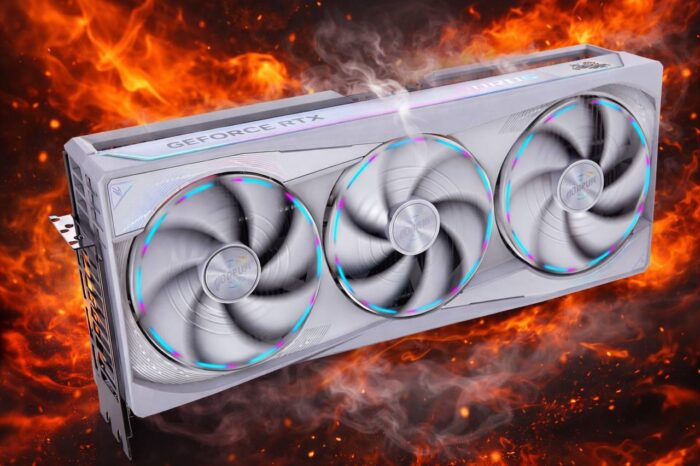
NVIDIA’s flagship GPU is back in the spotlight after another overheating case involving the GeForce RTX 5090 surfaced online. A user report on Mobile01 suggests that even lowering power draw may not fully eliminate the risk of 12V-2×6 connector overheating.
Undervolted RTX 5090 Still Suffers Heat Damage
The latest incident involved a Gigabyte AORUS Master ICE GeForce RTX 5090. Photos shared online show visible heat damage on the GPU-side 12V-2×6 connector, with melting concentrated around the top row of pins rather than across the entire plug.
According to the report, the user ran the card undervolted at 0.9 V with a strict 500 W power cap. Enthusiasts often use this configuration to reduce thermals and limit transient power spikes. Despite those precautions, the connector still overheated.
The first warning sign reportedly came in the form of repeated gaming crashes. Only later did the user discover physical damage around the connector pins.

Why Lower Power May Not Be Enough
Technically, reducing total board power lowers overall electrical stress. However, it does not eliminate problems caused by poor contact quality or uneven current distribution.
If specific terminals develop higher contact resistance, they heat up faster under load. That localized heating increases resistance further, creating a feedback loop. As the connector softens or deforms, the mechanical fit worsens and current distribution becomes even more uneven.
In this case, melting appeared on the GPU side of the connector. That detail suggests contact seating, cable strain, or terminal tolerances may play a role rather than PSU output alone.
The system reportedly used a 16-pin adapter, which introduces an additional junction between the power supply and the GPU. Every added junction can increase variability in terminal quality and alignment.
Uneven Current Distribution Remains a Core Issue
High-power multi-pin connectors rely on balanced current flow across parallel pins. If some pins carry more current due to slightly higher resistance on others, hotspots can form.
This explains why failures often appear localized to one row of pins instead of the entire 12V-2×6 connector melting uniformly.
Even with a 500 W power cap, concentrated current flow through fewer terminals can exceed safe thermal limits at specific contact points.
Best Practices to Reduce Risk
Specialists in the PC hardware community continue to point to a few practical precautions when using high-power GPUs.
They advise using a native 12V-2×6 cable supplied directly by the PSU instead of relying on adapters. Builders should also push the connector in fully until it locks into place, avoid tight bends close to the plug, and prevent sideways pressure that could loosen alignment over time.
Even so, recent incidents indicate that lowering voltage and power limits alone cannot fully eliminate the risk of connector-related overheating.
Broader GPU Concerns Continue
This incident adds to a growing list of high-end GPU issues. Recently, reports surfaced of an MSI RTX 5090 Lightning Z prototype cracking under extreme overheating conditions. At the same time, RTX 5090 and RTX 5070 Ti prices continue to climb, with average GPU prices reportedly rising around 15%.
As demand for top-tier GPUs remains strong, power delivery and connector reliability are becoming increasingly critical topics for enthusiasts and manufacturers alike.
Via Guru3D

Read our disclosure page to find out how can you help Windows Report sustain the editorial team. Read more



Improve this guide


User forum
0 messages