
MSI RTX 5090 Lightning Z Prototype GPU Cracks During Extreme LN2 Overclocking


 3 min. read
  Published on
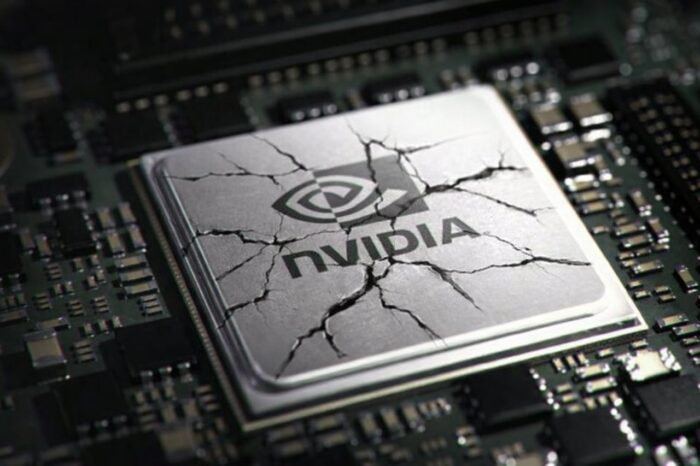
MSI’s GeForce RTX 5090 Lightning Z is making headlines after a leaked XOC BIOS surfaced online and reports emerged of a cracked prototype GPU during extreme overclocking tests.
The flagship Lightning Z model was originally showcased at CES 2026 as an overclocker-focused graphics card, with rumors of an “Extreme Performance OC” BIOS designed for competitive benchmarking. While the BIOS was believed to be restricted to professional overclockers, it has now appeared in public VGA BIOS collections and on enthusiast forums, according to TechPowerUp.
XOC BIOS leaks beyond pro overclockers
The RTX 5090 Lightning Z already features an approximate 800 W stock power limit, which most enthusiasts consider more than sufficient for aggressive tuning. The leaked XOC BIOS significantly raises those limits and targets users running specialized cooling solutions.
Such extreme configurations typically rely on LN2 cooling to manage temperature swings and voltage spikes. Standard air or custom water cooling setups are not designed for that class of overclocking.
Pricing for the Lightning Z has also drawn attention, with some reports suggesting figures as high as $14,000 during fluctuating availability and lottery-style allocations.
Prototype GPU cracks under LN2 testing
Indonesian extreme overclocker Jonathan Alva, who reportedly consulted during the Lightning Z’s development, tested the card using the leaked XOC BIOS alongside a custom LN2 cooling setup.
During one session, an early prototype unit equipped with the GB202-300-A1 die cracked. The failure is believed to stem from thermal shock under extreme overclocking conditions. Rapid temperature transitions combined with ultra-high voltage likely stressed the silicon beyond its limits.
Reports also suggest that outdated firmware may have briefly supplied excessive voltage, compounding the issue.
The damaged card was an early engineering sample rather than a final retail unit. Alva still retains access to another prototype as well as multiple retail cards for continued testing, suggesting that the incident does not necessarily reflect final production stability.
MSI made the RTX 5090 Lightning available through a lottery-style launch, reinforcing its status as a niche product for competitive overclockers and collectors. For most enthusiasts, however, standard RTX 5090 models represent a more affordable overclocking alternative while still delivering top-tier performance.
Users who plan to tune their GPUs can rely on MSI Afterburner, which now includes Safeguard+ Protection to help prevent unsafe voltage or power configurations during overclocking sessions.
Meanwhile, MSI continues to expand its high-end lineup, recently announcing three new X870 and X870E AM5 motherboards aimed at enthusiasts looking to pair cutting-edge GPUs with robust next-generation platforms.

Read our disclosure page to find out how can you help Windows Report sustain the editorial team. Read more



Improve this guide



User forum
0 messages