
Windows Updates Aren’t Always the Problem, Microsoft Engineer Explains


 2 min. read
  Published on
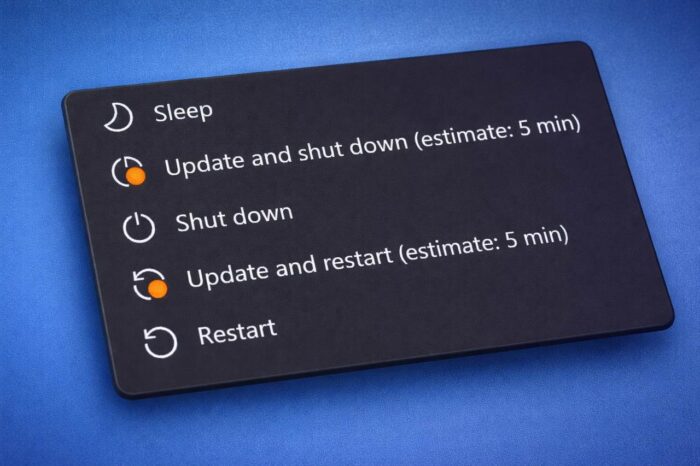
Microsoft engineer Raymond Chen has pushed back on a common assumption among Windows users and IT teams that Windows Update is often to blame when systems break.
Reboots expose problems, they don’t create them
According to Chen, many issues that surface after Patch Tuesday updates are not actually caused by the updates themselves. Instead, the reboot that follows an update simply reveals problems that were already present in the system.
In enterprise environments, IT teams frequently point to Windows updates as the root cause when machines fail to start or behave unexpectedly after a restart. However, Chen explains that these systems often had underlying issues long before the update was installed.
What really causes the failures
The real culprits are usually earlier system changes that don’t immediately trigger visible problems. These include driver installations, newly deployed software, group policy updates, or manual tweaks to the registry and system settings.
These changes can silently destabilize a system over time. Since Windows typically runs without interruption for long periods, especially in enterprise setups, the system may appear stable — until a reboot finally occurs.
Why Windows Update gets the blame
When Windows Update installs patches, it often requires a restart. That reboot becomes the moment when hidden issues surface, making it seem like the update caused the failure.
Chen emphasizes that the update acts as a trigger, not the root cause. The timing simply creates a misleading correlation that leads users and administrators to blame the wrong source.
The same pattern can apply to home users as well. Various optimization tools, tweaks, or unofficial modifications can introduce instability that only becomes visible after a restart.
Could hotpatching fix the perception problem?
Chen suggests that technologies like hotpatching, which allow updates to be applied without requiring a reboot, could reduce these misunderstandings.
By eliminating the immediate restart, systems wouldn’t suddenly expose pre-existing issues right after an update, making it easier to separate actual update-related problems from unrelated system instability.
The timing of Chen’s comments is notable, as Microsoft recently had to pull update KB5079391 due to installation errors. The company later released KB5086672 to address those problems.
While some update-related issues are real, Chen’s explanation highlights that not every post-update failure should automatically be attributed to Windows Update itself.
Via Neowin

Read our disclosure page to find out how can you help Windows Report sustain the editorial team. Read more



Improve this guide




User forum
0 messages