
Former Xbox Executive Says Sony Already Sees Steam Machines as a Future Rival


 3 min. read
  Published on
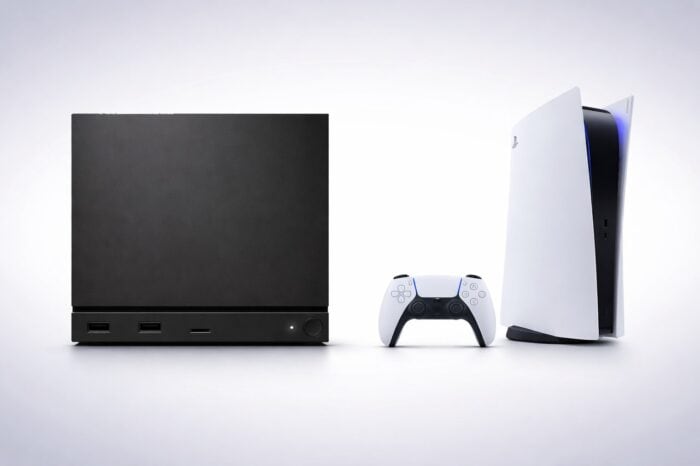
Valve’s return to the living room may still happen on schedule, even though the Steam Machine launch faced delays due to hardware supply constraints. AMD confirmed that the shipping window for the upcoming console-style device remains unchanged despite the setbacks.
The delays sparked debate among gamers about whether a SteamOS-powered console could realistically compete with established platforms like PlayStation and Xbox.
Former Xbox executive says Sony is watching Valve closely
According to Wccftech, former Xbox executive Mike Ybarra believes Sony already views Valve as a potential competitor in the console market. According to comments highlighted in a recent report, he suggests Sony is paying closer attention to Valve’s long-term strategy around SteamOS gaming devices.
Ybarra argues that uncertainty around Xbox’s current direction could also influence how Sony evaluates new competitors entering the living room gaming space.
If Valve expands its Steam Machine lineup with third-party hardware partners, the company could introduce multiple SteamOS-based systems targeting different price ranges and performance levels.
Steam ecosystem could offer several advantages
Ybarra pointed out that Valve already controls one of the largest PC gaming ecosystems, which could help Steam Machines compete with traditional consoles.
Steam Machines and SteamOS devices could benefit from several advantages tied to the existing Steam platform. These include a vast game catalog, an established user base, and features already familiar to PC players.
Steam’s ecosystem currently offers access to more than 7,000 games along with a massive active community of players.
Valve also provides features uncommon in the console space, such as a refund policy that allows players to return games after several hours of gameplay. The platform also includes a family library sharing system and free multiplayer without requiring a subscription service.
Hardware flexibility could also play a role. Steam Machines may appear across a wide range of configurations, from relatively affordable systems around $500 to higher-end gaming PCs designed for the living room.
Skepticism remains around pricing and console identity
Not everyone in the gaming community believes the concept will succeed. Some critics argue that Steam Machines could struggle if prices remain significantly higher than traditional consoles.
Others say Valve may need stronger console-style features or exclusive experiences to convince mainstream players to move away from established platforms like PlayStation.
Still, the idea of a flexible console powered by the Steam ecosystem continues to attract interest, particularly among PC gamers who want a living room experience without leaving the Steam platform.
A more competitive console generation ahead
If Valve successfully establishes SteamOS devices in the living room, the move could reshape the console market before the next generation arrives.
Sony may need to adapt its strategy for the PlayStation 6 if Valve manages to gain meaningful traction with Steam Machines and third-party hardware partners.
At the same time, Microsoft is adjusting its own console plans. Xbox leadership has already hinted at a renewed focus on hardware, and in an optimistic scenario, the next-generation Xbox could arrive as early as 2027.
With Valve potentially entering the console space and both Sony and Microsoft preparing for the future, the next generation of gaming hardware could become one of the most competitive and unpredictable in years.

Read our disclosure page to find out how can you help Windows Report sustain the editorial team. Read more



Improve this guide

User forum
0 messages