
Intel Confirms Xe3P GPU Launch in 2026, Sets Clear Roadmap Through Xe Next in 2027


 2 min. read
  Published on

In the past few weeks, there have been plenty of talks about GPUs and Intel’s next moves in graphics. The Xe graphics division has been rumored to slow down in the past, but Intel seems to be doubling down instead. Just to be clear, the news is all about the future roadmap that could reshape AI and gaming hardware.
Intel confirms Xe3P and annual GPU roadmap for 2026
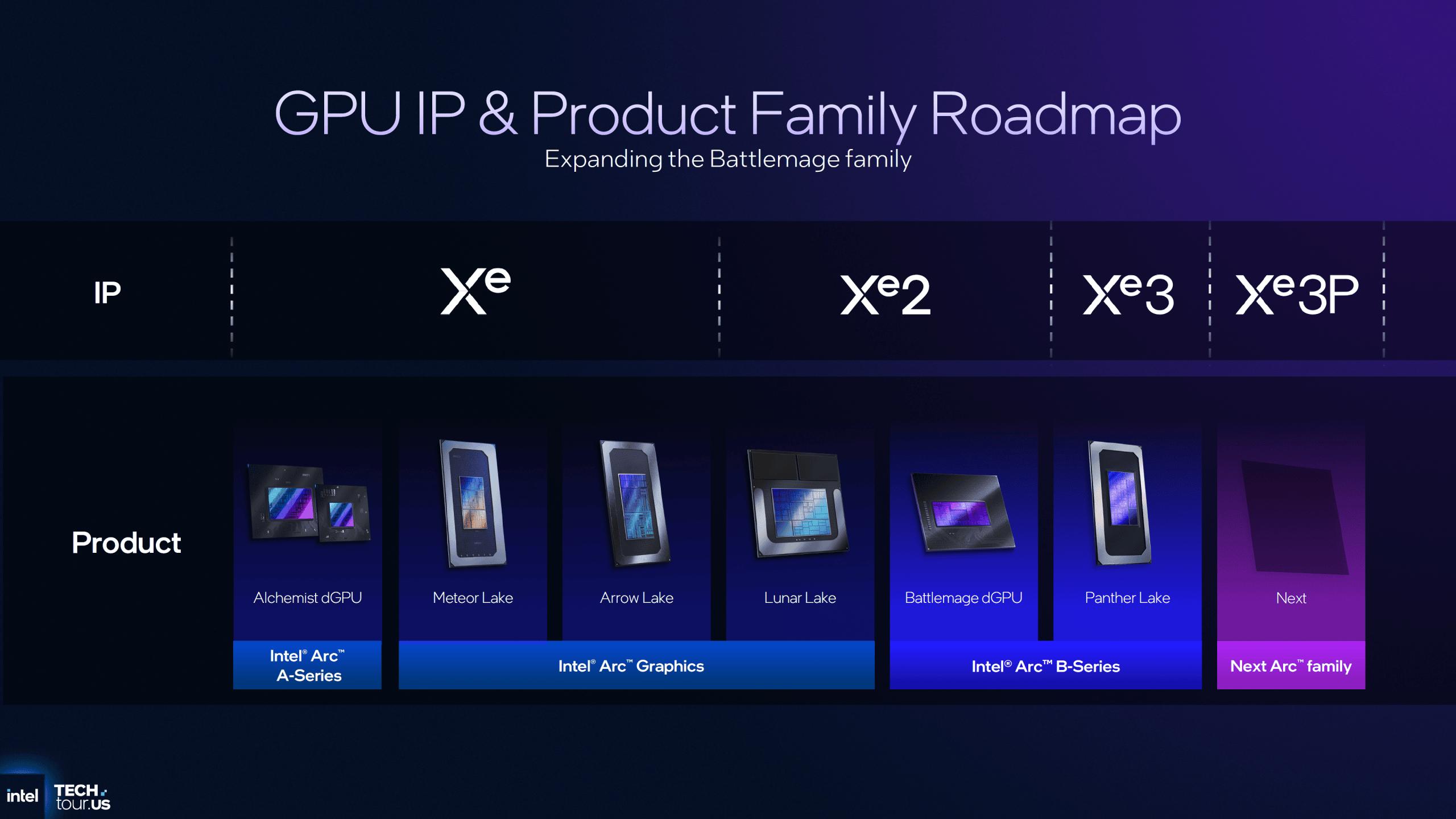
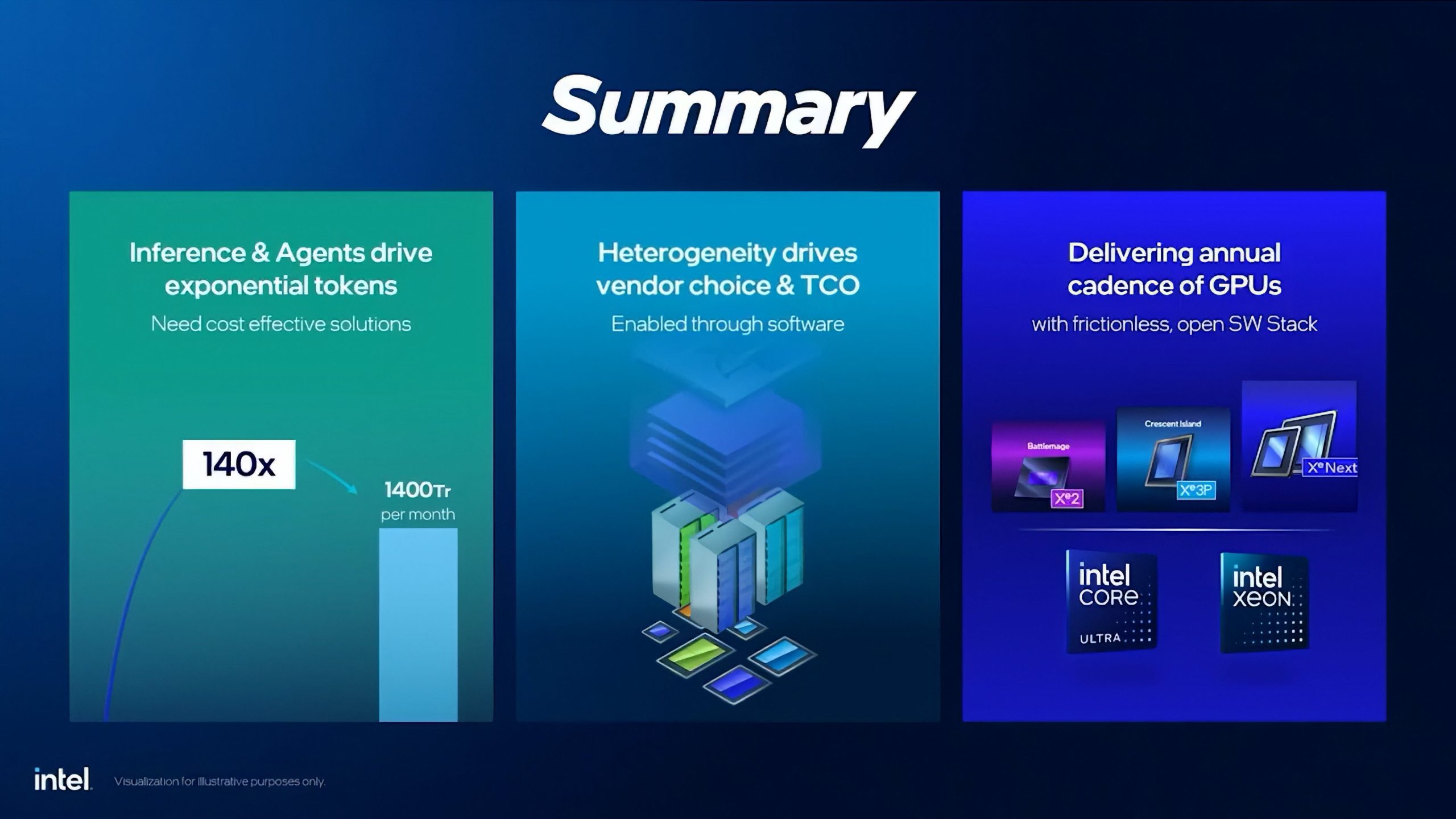
Folks at Wccftech have spotted Intel’s plans to launch Xe3P later this year. If you’re into high-performance computing, you’ll know GPUs aren’t just about raw power anymore. AI workloads, real-time rendering, and large-scale data center operations demand predictable performance. Xe3P is set to hit both desktops and AI inference platforms first, starting with Crescent Island, which reportedly uses LPDDR memory to balance cost with performance.
Desktops will get Xe3P through the Nova Lake “Core Ultra Series 4” chips, though in a slightly reduced form. Laptops, on the other hand, may unlock the full potential of this architecture, replacing the current Panther Lake lineup.
Analysts say Xe3P builds on the current Xe3 family, which already beats previous Xe3 chips and even AMD’s RDNA 3.5 for mainstream platforms. And yes, it’s expected to hold Intel’s lead as AMD gears up RDNA 5.

Intel Xe Next in 2027
Intel’s roadmap doesn’t stop there. Xe Next, formerly Xe4, is slated for 2027, hinting at both AI inference-focused platforms like Jaguar Shores and next-gen client devices. For AI workloads, LPDDR memory will be used, while high-end Shores units could adopt HBM. On the client side, Intel plans to refresh its Arc lineup, moving from Arc B-Series to a new Arc C-Series (Celestial), covering integrated and discrete graphics.
While rumors suggested Intel might slow down GPU development, Xe3P and Xe Next show a company committed to annual updates. Predictable cadences mean developers and AI researchers can plan for hardware evolution without surprises. Partnerships with companies like NVIDIA complement Intel’s strategy, but do not replace it.

Read our disclosure page to find out how can you help Windows Report sustain the editorial team. Read more



Improve this guide




User forum
0 messages