
Microsoft Discovery Goes Public With New AI Research Tools and Desktop App Preview


 2 min. read
  Published on
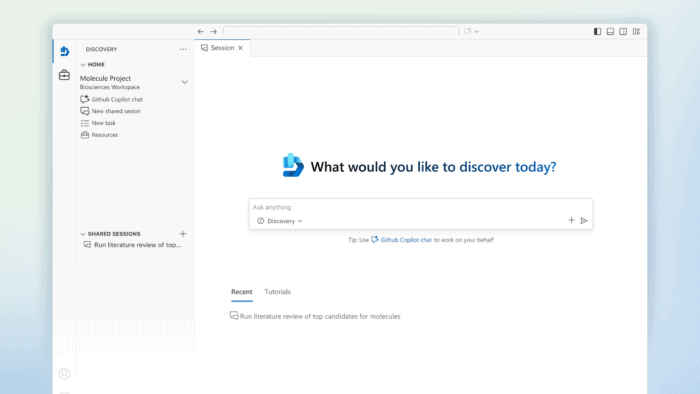
After spending the past year in private preview, Microsoft Discovery is now generally available to organizations. At the Build 2026 conference, the company also revealed that a new desktop app is now also available in preview for researchers, students, and academic teams to try it for themselves.
For those wondering, Microsoft Discovery goes beyond simply generating answers. The company says that the platform is designed to help scientists and engineers manage entire research workflows, from forming hypotheses to validating results and reviewing evidence.
Microsoft wants AI to help drive scientific breakthroughs
Research and development projects often involve massive amounts of data, simulations, testing, and collaboration. Microsoft says Discovery was built specifically for those environments. The platform allows organizations to create specialized AI agents that can access institutional knowledge, scientific databases, modeling tools, simulations, and research workflows.
These agents can then work together across different stages of scientific investigation while keeping human researchers involved in key decisions. At the center of the system sits the Microsoft Discovery Engine, which helps teams move from evidence and research findings to hypothesis generation, analysis, validation, and refinement. Microsoft says the goal is to create repeatable and transparent research processes rather than isolated AI-generated outputs.
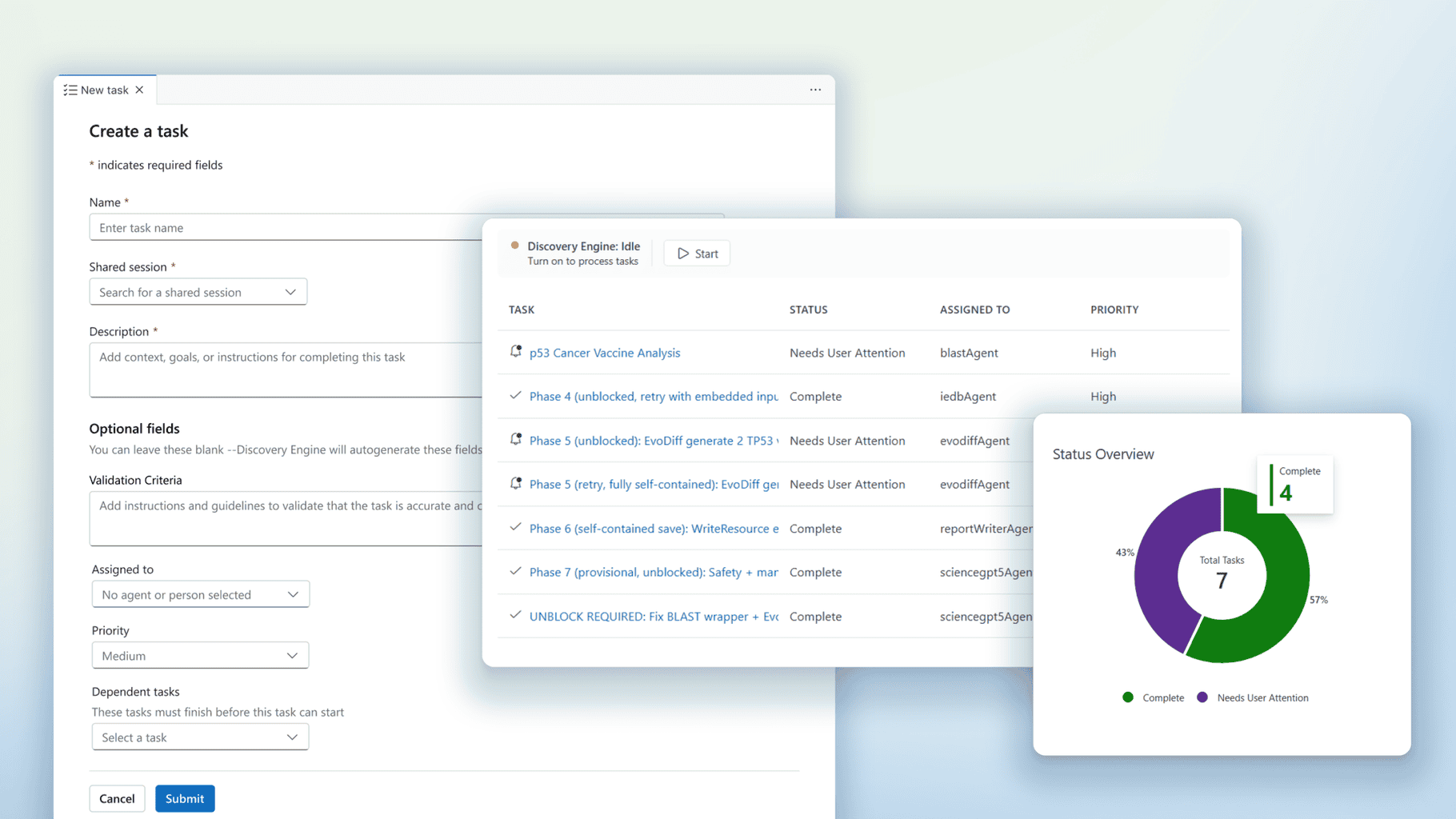
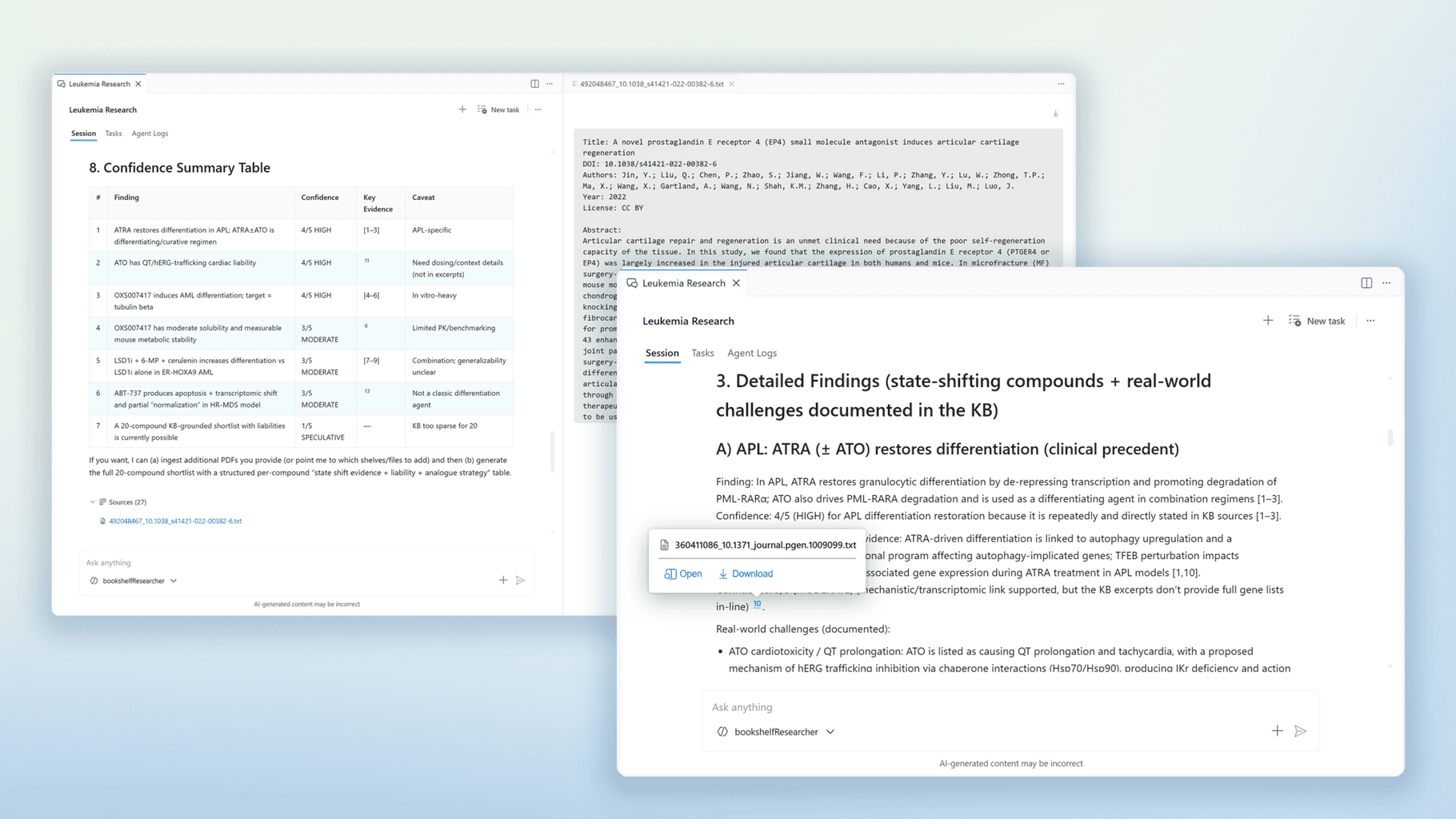
Image credit: Microsoft
A new Discovery app opens access beyond enterprises
Besides the general availability, Microsoft has also introduced the Microsoft Discovery app in preview. The desktop application is designed for researchers, students, laboratories, and smaller scientific teams that may not need a full enterprise deployment.
Users can access the app through GitHub and get started using a GitHub Copilot account. Microsoft says the software can help with literature reviews, scientific reasoning, hypothesis generation, and experimental exploration before projects eventually scale into larger research programs.
All that said, Microsoft now sees AI not just as a productivity tool, but as a research partner capable of helping scientists and engineers tackle some of the most complex problems across science, technology, and medicine.
Apart from the aforementioned, Micosoft also announced a bunch of things at the Build 2026 event. The company unveiled Project Solara for agent-first devices, new Aion AI models for Windows, AI-powered Windows 365 upgrades, the Surface RTX Spark Dev Box, and built-in WSL container support for developers. Last but not least, Microsoft also announced unveiled Majorana 2, which is the next-generation quantum chip with 1,000-fold reliability improvement over its previous design.

Read our disclosure page to find out how can you help Windows Report sustain the editorial team. Read more



Improve this guide


User forum
0 messages