
Microsoft Hands BitLocker Recovery Keys to FBI in First Known Law Enforcement Case


 3 min. read
  Published on
Microsoft takes security seriously, but recent events highlight the limits of that protection when legal orders enter the picture. After hackers abused SharePoint for phishing campaigns and found ways to bypass Windows Security, Microsoft now faces scrutiny over how it handles encrypted user data.
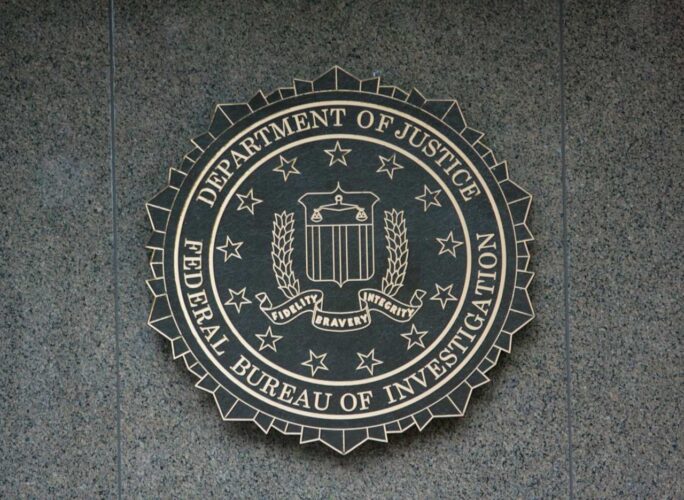
According to Forbes, the Federal Bureau of Investigation served Microsoft with a search warrant in a corruption investigation tied to Guam. The request asked Microsoft to provide BitLocker recovery keys to unlock data stored on three encrypted laptops.
Microsoft confirms handing over BitLocker keys
The laptops relied on BitLocker, Windows’ built-in full-disk encryption system. BitLocker automatically encrypts data and requires a recovery key for access. Users can store these keys locally, but Microsoft recommends saving them in the cloud for easier recovery.
In many cases, Microsoft cannot comply with law enforcement requests because users never upload their recovery keys. In the Guam investigation, however, Microsoft had access to the keys and handed them over after receiving a valid legal order. The company confirmed it receives roughly 20 BitLocker key requests per year.
This case marks the first known instance where Microsoft provided BitLocker recovery keys directly to law enforcement. Microsoft also stressed that it does not build backdoors into its encryption systems. In 2013, the company refused government requests to weaken BitLocker through built-in access mechanisms.
Civil liberties groups raise concerns
Civil liberties advocates warn that this precedent could encourage broader government access to encrypted personal data. They cite risks such as government overreach, large-scale access to private files, and potential threats to personal safety if encryption protections weaken over time.
Security experts argue that Microsoft made an architectural choice that allows access to user data when recovery keys exist in the cloud. Cryptographers suggest the company should move toward encryption models where only users control their keys, leaving service providers unable to comply even under legal pressure.
Other major tech companies take different approaches. Apple designs its encryption so it cannot access user keys, even when served with warrants. Meta, through services like WhatsApp, allows encrypted cloud backups but still does not publicly disclose cases of handing over encryption keys.
Forensic experts confirm that agencies like the FBI and ICE cannot technically break BitLocker encryption without recovery keys. Without Microsoft’s cooperation in the Guam case, investigators likely would not have accessed the data.
Critics warn that once governments gain reliable access to encrypted devices through legal channels, similar demands will grow, potentially normalizing state access to private digital information.
This is not the only recent development involving Microsoft, as the company also dealt with a Microsoft 365 outage earlier this month.

Read our disclosure page to find out how can you help Windows Report sustain the editorial team. Read more



Improve this guide




User forum
0 messages