
Microsoft Pulls Controversial 32GB RAM Recommendation for Gaming PCs
“No worries” 32GB RAM upgrade sparks backlash amid shortages


 3 min. read
  Published on
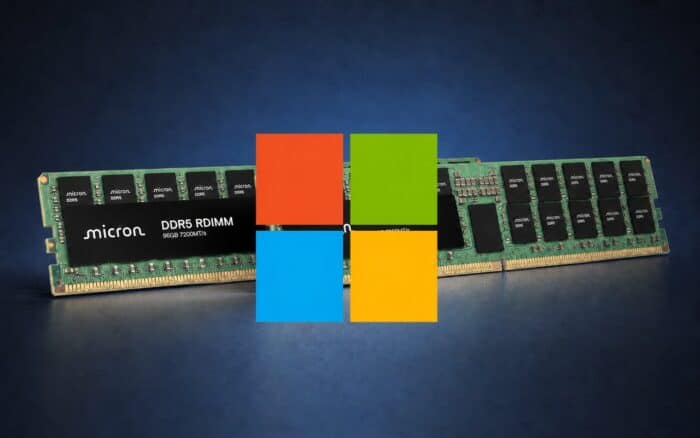
Microsoft has quietly taken down a support article that suggested gamers should consider upgrading to 32GB of RAM, following criticism from users and industry observers. The move, first spotted by Windows Latest, comes after concerns that the guidance pushed unnecessary hardware upgrades.
The now-removed document appeared on Microsoft’s Learning Center and positioned itself as advice for building the “best Windows gaming systems.” It described 16GB of RAM as a baseline, while labeling 32GB as a “no worries” upgrade, despite reports that the memory shortage will last until 2028.
Why the recommendation sparked backlash
The guidance quickly drew criticism because it clashed with Windows 11 minimum requirements, which still list 4GB of RAM as sufficient. Many mainstream laptops and desktops also continue to ship with 8GB, making the recommendation feel disconnected from real-world hardware adoption.
The backlash also ties into broader market conditions. RAM prices have started rising again, and analysts expect supply constraints to persist for years. Against that backdrop, recommending 32GB as a standard upgrade struck many as premature and potentially misleading for average users.
Microsoft removes the page without explanation
Microsoft has not issued a public explanation, but the article has been fully removed and now redirects to the homepage. Archived versions have also become harder to access, suggesting a deliberate rollback rather than a routine update.
A pattern tied to AI and Copilot PCs
This is not the first time Microsoft has hinted at higher memory expectations. Similar messaging around 32GB configurations has appeared in recent months, often alongside promotion of Copilot+ PCs, which require at least 16GB of RAM. That connection has fueled speculation that the company is gradually nudging users toward more powerful hardware to support AI features.
Windows performance concerns remain
At the same time, Microsoft has acknowledged that Windows needs to become more efficient. The company’s internal K2 initiative focuses on improving performance, reducing memory usage, and addressing long-standing reliability issues across the platform. CEO Satya Nadella has also emphasized the need to improve Windows and related ecosystems.
Still, modern Windows builds continue to grow more demanding. Expanding AI integrations, including Copilot features, increases both memory usage and update sizes. That trend reinforces the idea that higher RAM configurations may become more relevant over time, even if they are not essential today.
For now, Microsoft appears to be walking back its messaging. The removal of the article suggests the recommendation may have reflected a future-facing vision rather than current reality, and that it reached users before the company was ready to fully justify it.

Read our disclosure page to find out how can you help Windows Report sustain the editorial team. Read more



Improve this guide


User forum
0 messages