
Microsoft’s 3-day office mandate resets Big Tech’s hybrid baseline for 2026


 3 min. read
  Published on
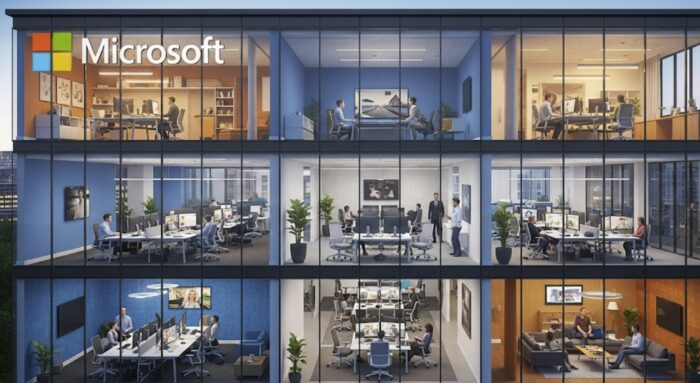
Microsoft is turning a soft hybrid guideline into a firm rule. Starting in the Puget Sound region by the end of February 2026, anyone living within 50 miles of a Microsoft office is expected to come in three days a week. The company frames it as a push for energy, speed, and better collaboration in the AI era, not a headcount play.
This isn’t a minor culture tweak. It effectively resets the post-pandemic baseline for Big Tech: three office days isn’t the ceiling anymore, it’s the norm. And because Microsoft also sells the tools that made remote work possible, the signal is louder. Teams, Copilot, and the cloud matter—but proximity still carries weight.
Hiring will feel the change first. A tighter radius shrinks the talent pool to commutable hubs, raising demand (and likely pay) for key roles near Redmond and other centers. Fully remote offers elsewhere will look more attractive by comparison. For mid-career engineers with mortgages and school districts to consider, three days could be the nudge that triggers a move—or a job search.
On productivity, Microsoft’s argument is straightforward: complex, interdependent work benefits from being in the same room. Shipping AI features across Windows, Azure, and Microsoft 365 often relies on fast feedback loops that happen at whiteboards, in war rooms, and in those five-minute hallway syncs. The trade-off is a real commute tax and the risk that badge swipes get mistaken for impact.
Enforcement will decide how real this is. Other companies tied office time to performance reviews and promotions. Microsoft hasn’t spelled out carrots or sticks beyond manager discretion and exceptions, but if three days is meant to be the floor, incentives will follow. Expect pockets where certain teams quietly run four or even five days on site.
Outside the U.S., rollout will be shaped by labor laws and works councils. Planning starts in 2026, and this is where “flexible where needed” gets tested. Real estate will adapt too: fewer underused hot desks, more spaces built for team sessions and quick alignment.
The optics are tricky. After 2025’s layoffs and the broader pivot to AI efficiency, any hardening of RTO can look like performance management by another name. Microsoft’s defense is that this is a time-sensitive platform moment, and proximity speeds execution. If product quality rises and ship cycles tighten, the policy will read as pragmatic. If not, it’s just more time in traffic.
Bottom line: Microsoft just re-anchored hybrid work around three office days and gave managers permission to be stricter when delivery demands it. Competitors now have a reference point. Employees have a clear—if costly—planning horizon. In the current AI gold rush, proximity comes with a premium.

Read our disclosure page to find out how can you help Windows Report sustain the editorial team. Read more



Improve this guide



User forum
0 messages