
Microsoft's Most Powerful AI Laptop Isn't Being Marketed as a Copilot+ PC


 3 min. read
  Published on
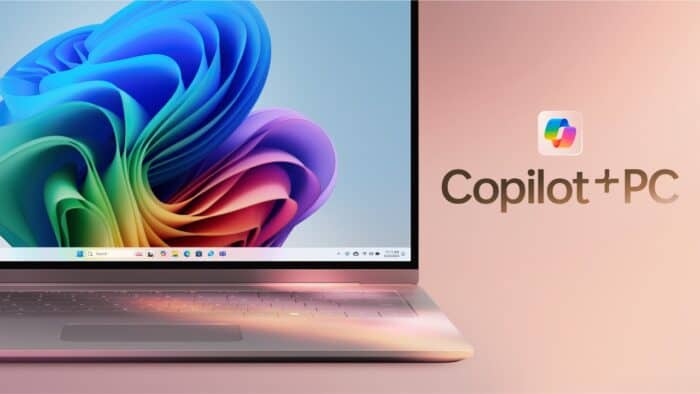
When Microsoft introduced Copilot+ PCs in May 2024, the company positioned them as the future of Windows computing. The new category promised powerful local AI capabilities powered by dedicated Neural Processing Units (NPUs), enabling AI features that could run directly on a device without relying heavily on the cloud.
Two years later, Microsoft has unveiled the new Surface Laptop Ultra, its most powerful AI-focused Windows laptop yet. However, one detail stood out during the announcement: Microsoft barely mentioned the Copilot+ PC brand, as highlighted by Windows Latest.
Instead, the company centered its messaging around NVIDIA’s RTX Spark platform, local AI computing, developer-focused workflows, and advanced on-device AI acceleration.
Surface Laptop Ultra focuses on RTX Spark
The Surface Laptop Ultra was presented as a showcase for NVIDIA’s new RTX Spark platform, which combines powerful GPU acceleration with AI-focused capabilities.
According to NVIDIA, the highest-end RTX Spark configuration can deliver up to 1 petaflop of AI compute, placing it in an entirely different performance category compared to many existing AI PCs.
That positioning may explain why Microsoft chose not to emphasize the Copilot+ PC label. The original Copilot+ PC requirements included a Neural Processing Unit (NPU) capable of delivering at least 40 TOPS of AI performance.
While those requirements helped establish a baseline for AI-powered Windows devices, the category now includes a wide range of systems with dramatically different performance levels.
Has the Copilot+ PC brand become too broad?
Microsoft originally described Copilot+ PCs as the “fastest, most intelligent Windows PCs ever built.” At launch, the branding helped differentiate AI-capable laptops from traditional systems.
Today, however, many mainstream laptops include NPUs and meet Copilot+ requirements, even though their AI performance can vary significantly.
As a result, labeling a workstation-class device such as the Surface Laptop Ultra with the same Copilot+ badge used for entry-level AI laptops could create confusion for customers.
The recently announced Surface RTX Spark Dev Box also appears to avoid prominent Copilot+ PC branding, further suggesting that Microsoft may be shifting its marketing strategy for premium AI hardware.
NVIDIA may prefer RTX Spark to stand on its own
Industry observers believe NVIDIA has strong reasons to promote RTX Spark as a standalone platform.
The RTX brand already carries significant recognition among developers, creators, AI researchers, and enterprise customers. Associating local AI acceleration with RTX branding may be more valuable for NVIDIA than linking those capabilities to Microsoft’s Copilot ecosystem.
The Surface Laptop Ultra announcement reflected that approach, with most messaging focused on RTX Spark rather than Windows AI branding.
According to reports, Signal65 president Ryan Shrout indicated that Microsoft privately confirmed the Surface Laptop Ultra still qualifies as a Copilot+ PC and includes a dedicated NPU. However, that designation was not a major part of the public presentation.
With performance levels reaching into workstation territory, many analysts expect RTX Spark systems such as the Surface Laptop Ultra to command premium prices when they become widely available.
Whether Microsoft’s reduced emphasis on Copilot+ branding becomes a broader trend remains to be seen, but the Surface Laptop Ultra suggests the company may be rethinking how it positions the next generation of AI-powered Windows hardware.

Read our disclosure page to find out how can you help Windows Report sustain the editorial team. Read more



Improve this guide

User forum
0 messages