
7 Ways to Fix Number Pad Not Working Even With Num Lock On
Disabling Mouse keys in control panel is a quick way to fix this issue


 3 min. read
  Updated on

If your number pad isn’t working even with NumLock on, don’t worry. There are a few simple fixes you can try.
Whether it’s a stuck key, settings issue, or outdated drivers, we’ll show you how to fix it by enabling NumLock on startup, using an on-screen keyboard, or disabling mouse keys.
Let’s get started.
How do I fix the keyboard number pad if it isn’t working?
1. Use an on-screen keyboard
- Press the Windows key + S to open Search.
- Now type on screen keyboard. Select the On-Screen Keyboard from the list of results.

- Use the virtual keyboard to enter the desired numbers.

If you need more features or just don’t like the Windows screen keyboard, you can install a third-party option on your PC. They work in similar ways.
2. Make sure that the Num Lock is pressed
- On your keyboard, locate the Num Lock key. You can find it in the top left corner of your number pad.

- Press the key. The light next to it should turn on.
- Try using your Numpad.
3. Turn off Mouse Keys
- Press the Windows key + S to open Search.
- Type Ease of Access and select Ease of Access keyboard settings.

- Go to the Find a setting field.
- Type mouse keys and select Turn Mouse Keys on or off.

- Make sure that Control your mouse with keypad is set to off.

4. Update/reinstall your keyboard driver
- Press Windows key + X and select Device Manager from the list.
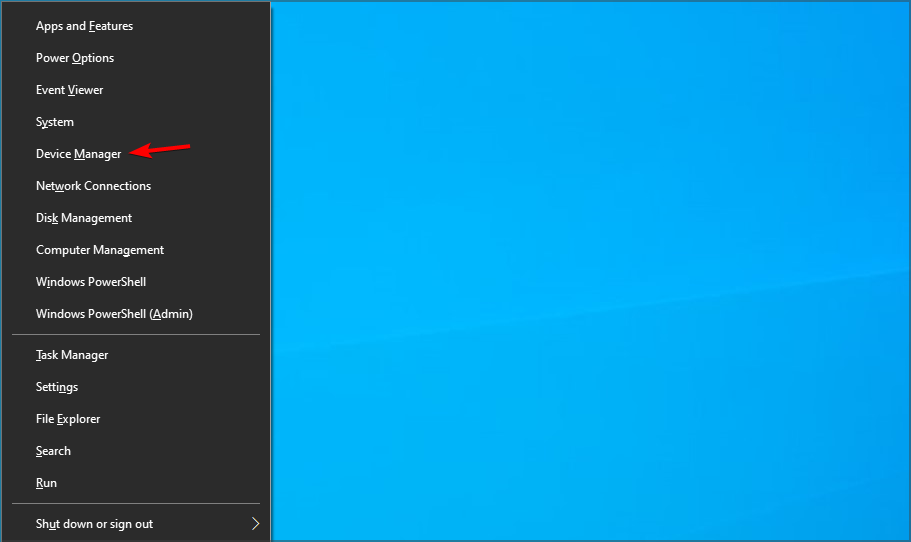
- Expand the Keyboards section, right-click your keyboard, and select Update driver.

- Now, select Search automatically for drivers.

- Wait while the process is finished.
In some instances, reinstalling the driver might help solve the number pad not working on the laptop issue, and you can do that by following these steps:
- First, press the Windows key + X and select Device Manager.
- Locate the keyboard driver.
- Right-click it and choose Uninstall device.

- Now click on Uninstall once again to confirm.

- Restart your PC.
The driver will be automatically reinstalled after restarting your PC.
A driver updater app can help you solve these issues and install new or updated drivers with just a few clicks.
You can prevent these problems by using an automatic tool that will search and install the correct driver versions on your computer with just a few clicks. That's why we recommend you use Fortect and its Driver Updater feature. Here's how to do it:
- Download and install the Fortect app.
- Launch the software.
- Wait for the app to perform the initial scan of your entire PC or Laptop
- Afterward, navigate to the Driver Updater Section and start the scan process
- After the scan is complete, choose which drivers to update or click the update button

- Register and Activate for the full suite and automatic update, or use the 24-hour trial to update manually all that you have the time to
- Restart your PC to ensure the applied changes.
Disclaimer: In order to perform some operations, this software must be updated to the premium plan.
5. Run the keyboard troubleshooter
- Open Windows Settings.
- Go to System and select Troubleshoot.

- Scroll down to Other troubleshooters.

- Select Keyboard and click Run.

6. Change registry values
- Launch Registry Editor with admin privileges.

- Navigate to HKEY_CURRENT_USER > Control Panel > Keyboard.

- Find and double-click on InitialKeyboardIndicators.

- Change the Value data to 2.

- Press OK to confirm the changes.
- Restart your computer and see if the number pad is now working.
7. Use a different keyboard
If the problem persists, it might be a hardware issue. Repairing a damaged keyboard can be costly, so replacing it is often more practical.
Fortunately, some of the best keyboards on the market aren’t even expensive. Besides being affordable, a new keyboard can offer improved functionality, better-typing comfort, and enhanced durability.
Have you found other ways to fix this issue on your PC? If so, please let us know in the comments.

Read our disclosure page to find out how can you help Windows Report sustain the editorial team. Read more



Improve this guide


User forum
53 messages