
RTX 5090 Enthusiasts Push ASUS Matrix vBIOS With Dangerous Hardware Mods


 3 min. read
  Published on
NVIDIA GPU shortage concerns haven’t slowed down extreme modding efforts, and the latest experiments around the RTX 5090 highlight how far enthusiasts will go to unlock more power.
With RTX 5070 Ti prices already rising and pointing to tightening supply, high-end users continue pushing flagship cards beyond stock limits, sometimes through risky and irreversible hardware changes.
ASUS ROG Matrix RTX 5090 vBIOS attracts modders
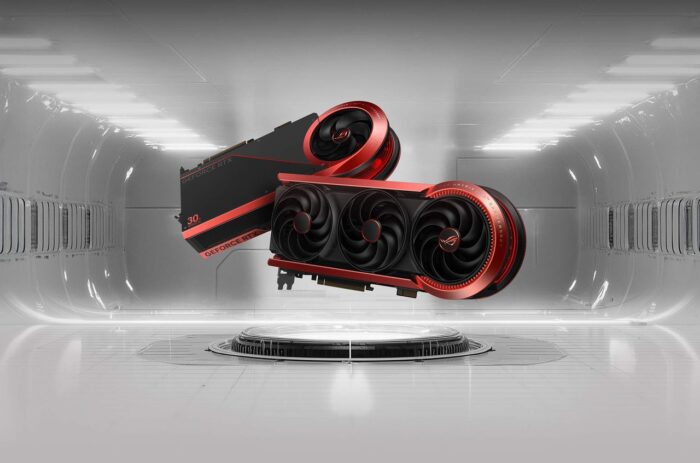
One of the main drivers behind the current wave of experimentation is ASUS’ anniversary flagship. As VideoCardz writes, the ASUS ROG Matrix GeForce RTX 5090 30th Anniversary Limited Edition ships with an aggressive 800 W power-limit vBIOS, instantly making it attractive to overclockers and modders.
That firmware has now become a target for cross-flashing attempts on other RTX 5090 models, with the goal of unlocking higher power limits and additional performance headroom.
Results so far remain inconsistent. According to reports shared on the HardwareLuxx forums, the Matrix vBIOS does not flash cleanly on ASUS’ own ROG Astral lineup. The ROG Astral LC RTX 5090 appears particularly problematic, even though it comes from the same manufacturer.
At the same time, some RTX 5090 cards from other vendors reportedly accept the Matrix vBIOS without major issues, suggesting the limitation comes from model-specific hardware differences rather than a universal firmware block.
High-risk hardware workaround surfaces
Community investigation has pointed to subtle wiring differences within the Astral series itself. On the black ROG Astral RTX 5090, the rear fourth fan reportedly shares a connection with the front middle fan, while the white ROG Astral RTX 5090 uses a dedicated connector for that fourth fan. This distinction matters because the Matrix vBIOS expects separate fan control lines, and mismatched wiring can prevent the firmware from initializing correctly.
A HardwareLuxx forum user known as “turbogear” claims a workaround exists, but it sits firmly in extreme modding territory. The proposed solution requires a physical PCB modification involving the EEPROM, including changes to the SI signal line and repositioning a tiny resistor so the line switches from a pull-down to a pull-up configuration. This permanently alters the card, voids the warranty, and carries a real risk of destroying the GPU.
Testing of this modification remains very limited. Reports indicate it has been performed on three black ROG Astral RTX 5090 cards, all using custom water-cooling setups. The same approach does not work on air-cooled Astral models because of fan control differences, which further limit its practical appeal.
This mod clearly targets a tiny group of enthusiasts willing to risk expensive hardware for incremental gains and should not appeal to mainstream buyers.
Meanwhile, broader market dynamics continue to shift, with industry chatter suggesting NVIDIA plans to focus the RTX 50 series more heavily on midrange models in the near term as supply pressure and pricing volatility continue to shape the GPU market.

Read our disclosure page to find out how can you help Windows Report sustain the editorial team. Read more



Improve this guide




User forum
0 messages