
Windows 11 May Reboot Twice After Installing July 2026 Updates


 3 min. read
  Published on
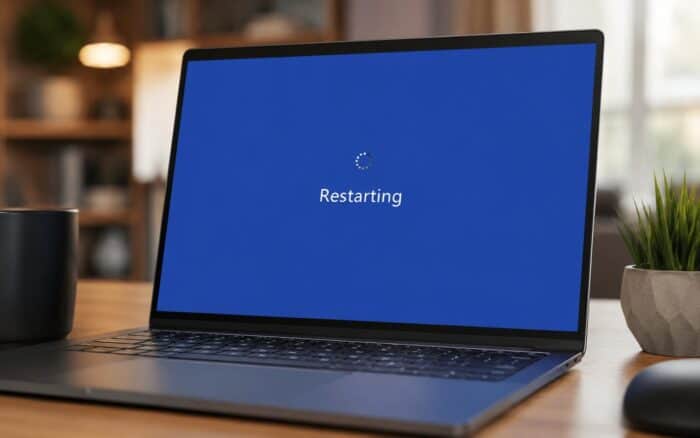
Windows 11 may reboot twice after updates, particularly when a large cumulative update installs alongside separate .NET Framework or Secure Boot components.
The behavior appeared during the July 2026 Patch Tuesday rollout for KB5101650, according to Windows Latest. An additional restart does not necessarily mean the update failed or encountered an error.
Why Windows 11 May Restart Twice
Windows Update can install several packages during a single update cycle, but some components require separate restarts.
The first reboot may complete the main Windows 11 cumulative update. Windows may then request another restart to finish installing a .NET Framework update or a Secure Boot certificate package.
Users should not expect two restarts every month. The number of reboots depends on the updates available for the PC and which components Windows still needs to install.
July 2026 .NET Framework Update May Require Another Reboot
The July 2026 .NET Framework update may require a separate restart on some Windows 11 computers.
Not every .NET Framework update triggers an additional reboot. However, users who have already received the latest Secure Boot certificate update may find that .NET Framework caused the second restart this month.
Users should allow Windows Update to complete both restart cycles without shutting down the computer or interrupting the installation.
Secure Boot Certificate Rollout Continues
Microsoft continues to deploy updated Secure Boot 2023 certificates to supported Windows PCs.
The company previously expected to complete most of the rollout by June 2026. Microsoft now says the deployment will continue over the coming months.
Computers that have not yet received the newer certificates can continue to start normally and receive regular Windows security updates. The gradual rollout does not prevent affected PCs from functioning.
However, installing the Secure Boot certificate package may require its own restart when it reaches an eligible device.
Microsoft Still Plans to Reduce Windows Update Restarts
Microsoft has announced changes intended to reduce the number of restarts required for Windows updates, but the improvements are not fully available yet.
Once Microsoft implements the new update process more broadly, most users should need no more than one monthly restart for regular security updates.
Optional preview updates and separate component packages may still require additional restarts.
Windows Security Updates Continue to Grow
Microsoft continues to address a growing number of security vulnerabilities through Windows Update.
As monthly cumulative updates include more security fixes and system changes, users may experience longer installation times. Separate updates for components such as .NET Framework and Secure Boot can also increase the chance of an additional restart.
Two consecutive reboots after a Windows 11 update usually indicate that Windows installed multiple update packages. Users only need to investigate further if the PC enters a restart loop, displays an update error, or fails to return to the desktop.
In other news, Microsoft has released KB5121767 emergency update for Dell PCs that were affected by the recent update.

Read our disclosure page to find out how can you help Windows Report sustain the editorial team. Read more



Improve this guide


User forum
0 messages