
Global Memory Shortage Could Last Until 2030, Warns SK Group Chairman


 2 min. read
  Published on
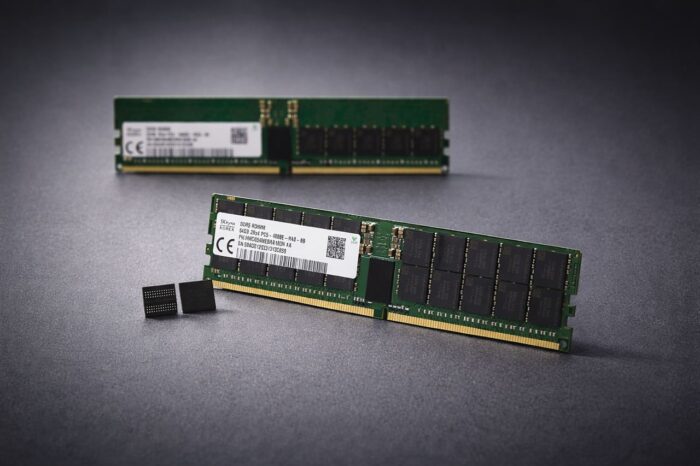
The global memory chip shortage may last significantly longer than expected, with new estimates suggesting it could continue until around 2030. Earlier projections pointed to stabilization by 2028, but fresh insights indicate the imbalance between supply and demand remains far from resolved.
According to Bloomberg, Chey Tae-won, chairman of SK Group, warned that wafer supply currently lags demand by more than 20%. This gap continues to limit semiconductor production and prevents manufacturers from catching up.
AI boom reshapes memory production priorities
The rapid growth of AI infrastructure has shifted how major memory manufacturers allocate resources. Companies such as SK Hynix, Samsung Electronics, and Micron Technology are prioritizing high-bandwidth memory used in AI accelerators, particularly those powering NVIDIA systems.
This strategic pivot has reduced the availability of traditional memory types like DDR and standard DRAM. As a result, industries that rely on conventional memory face increasing supply pressure.
Rising prices and industry-wide impact
The shortage already affects multiple sectors, from consumer electronics to automotive manufacturing and cloud infrastructure. Laptop prices alone could rise by as much as 40% due to ongoing hardware constraints.
Companies also face disrupted planning cycles and tighter profit margins as memory costs remain elevated. The imbalance continues to ripple across supply chains, making long-term forecasting more difficult.
SK Hynix explores financial and pricing strategies
SK Hynix is reportedly working on measures to stabilize memory pricing, though specific plans have not been disclosed. The company is also considering listing American depositary receipts to narrow its valuation gap with competitors such as Micron.
These moves suggest that memory producers are preparing for a prolonged period of constrained supply and strong demand.
AI growth keeps pressure on memory markets
The continued expansion of AI technologies remains the main driver behind the extended shortage. As more companies invest in AI infrastructure, demand for advanced memory solutions continues to rise, leaving less capacity for traditional components.
This shift indicates that elevated memory prices and limited supply may persist for several more years.
In other developments, NVIDIA recently introduced its Vera CPU, designed to handle demanding AI workloads, further highlighting the growing pressure on memory ecosystems.

Read our disclosure page to find out how can you help Windows Report sustain the editorial team. Read more



Improve this guide



User forum
0 messages