
Intel Hiring Hints at Unified Core Architecture Shift


 3 min. read
  Published on
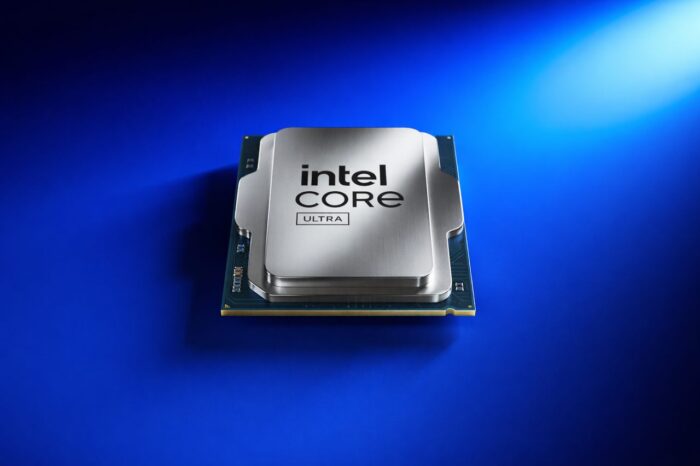
Intel has confirmed its Xe3P GPU launch in 2026, while Core Ultra Series 4 processors may arrive in 2027. At the same time, new hiring activity suggests the company could eventually rethink its long-standing hybrid CPU strategy.
According to TechPowerUp, recent Intel job listings indicate that the company is exploring a return to a unified core architecture for future processors.
Intel may rethink its hybrid core strategy
Since the launch of 12th Gen Alder Lake, Intel has relied on a hybrid design that combines Performance (P) cores and Efficient (E) cores. The P-cores handle demanding workloads such as gaming and heavy productivity tasks, while E-cores focus on background operations and multitasking.
Intel’s Thread Director technology works alongside the operating system to distribute workloads dynamically between core types. This hybrid model has allowed Intel to better segment products across consumer PCs, enterprise systems, servers, and AI-focused machines.
However, the recent job listings point to the creation of a dedicated “Unified Core” design group. This suggests Intel is researching a future architecture where P-cores and E-cores are merged into a single microarchitecture.
If such a shift materializes, it would represent one of the most significant changes to Intel’s CPU design philosophy since hybrid computing debuted in the mainstream x86 lineup.
What a unified core architecture could change
A unified core design would eliminate the separation between high-performance and efficiency-focused cores. Instead of splitting roles, Intel could rely on a single scalable core architecture and differentiate products through configuration choices.
Product tiers could vary through changes in cache allocation, total core counts, clock speeds, and power envelopes rather than through different core types. This strategy would resemble AMD’s approach with Zen 5 and Zen 5c, where architectural foundations remain similar but configurations define performance tiers.
Intel already applies flexible configurations in parts of its Xeon lineup, offering P-core-only or E-core-only designs depending on workload needs. A fully unified approach would extend that flexibility into mainstream consumer processors.
Still, the unified core effort appears to remain in its early stages. The information comes from hiring patterns rather than official announcements, and CPU development cycles typically span several years.
Any potential unified core processors would likely arrive toward the end of the decade. Until then, Intel is expected to continue refining its hybrid architecture across upcoming generations.
The company also predicts that Panther Lake will push AI PC adoption beyond 50% this year, highlighting how AI acceleration remains central to its roadmap.
With GPU launches, AI ambitions, and long-term CPU experiments underway, Intel’s next architectural pivot may already be taking shape behind the scenes.

Read our disclosure page to find out how can you help Windows Report sustain the editorial team. Read more



Improve this guide



User forum
0 messages