
Microsoft Adds Haptic Signals To Windows 11 With Adjustable Vibration Feedback
Only a handful of supported devices can currently use the new feature


 2 min. read
  Published on
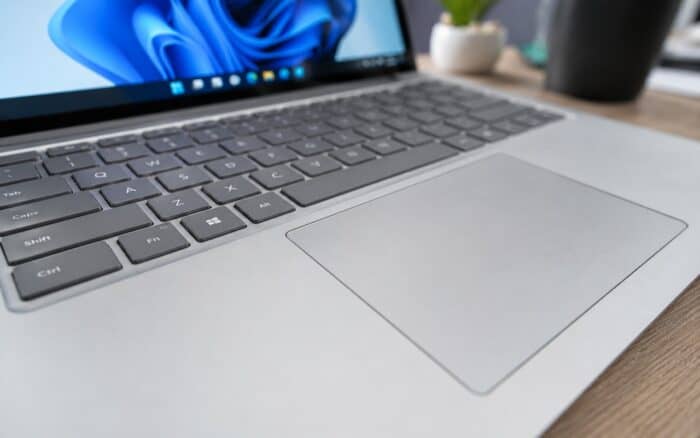
Microsoft has introduced a new haptic feedback system for Windows 11 called Haptic Signals, as Windows Central writes. The feature adds subtle vibration effects to certain interface interactions, making supported devices feel more responsive during everyday use.
The new functionality appears as part of Microsoft’s broader effort to refine the Windows 11 experience with smaller quality-of-life improvements. Users can enable or disable Haptic Signals directly from the Settings app and adjust the feedback strength based on personal preference.
Windows 11 currently offers four intensity levels for the feature, with level 2 enabled by default.
Haptic Signals only supports limited hardware for now
At launch, Haptic Signals only works on a small number of compatible devices. Microsoft says many existing haptic-capable accessories still lack support.
Compatible hardware currently includes devices like the Surface Laptop 8 and the Logitech MX Master 4 after a firmware update.
Because of the limited hardware ecosystem, many Windows 11 users will not immediately experience the feature. Microsoft may expand compatibility over time as more manufacturers adopt the API.
Microsoft wants haptics to stay subtle
Microsoft says it does not plan to add vibration effects everywhere in Windows 11. Instead, the company wants haptics to appear only during interactions where the feedback feels useful and natural.
The goal is to reinforce user actions without making the operating system distracting or irritating during daily use.
Microsoft is also still experimenting with where haptic feedback should appear. Some effects may change or disappear entirely while the company continues testing.
Developers can add support to their own apps
Microsoft confirmed developers can integrate Haptic Signals into their own applications using the company’s API.
This could eventually allow Windows apps to deliver more tactile experiences across supported laptops, mice, and future accessories.
For now, customization options remain basic. Users can only adjust intensity levels, and there are no advanced controls for selecting which interactions trigger haptic feedback.
Small upgrade, but a polished one
Haptic Signals is not a major Windows 11 feature, but it adds another layer of polish to the operating system on supported hardware.
The feature helps Windows feel more modern and responsive, even if the current rollout remains limited by hardware compatibility and minimal customization settings.
In other Microsoft news, the company recently introduced new Surface Pro and Surface Laptop devices for businesses while also improving Narrator behavior in Word and adding new zoom controls to Access.

Read our disclosure page to find out how can you help Windows Report sustain the editorial team. Read more



Improve this guide




User forum
0 messages