
RTX 50 Series Melting Pattern Raises MSI Connector Fears


 2 min. read
  Published on
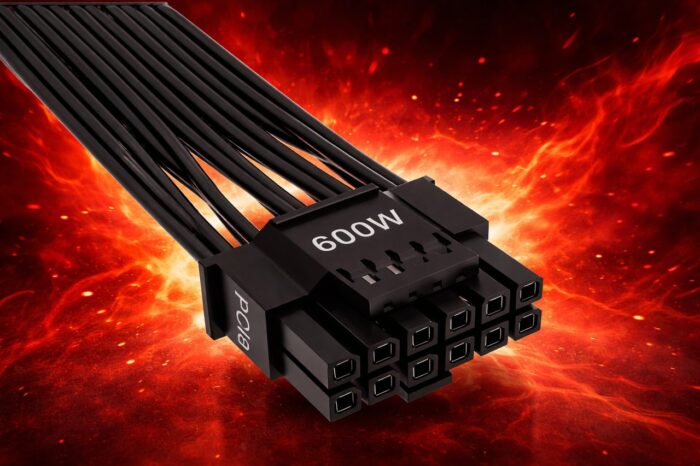
After recent RTX 5090 12V-2×6 melting cases surfaced, keen-eyed users began noticing a pattern. According to Wccftech, several reports suggest MSI’s yellow-tipped 16-pin connector may play a role in some GPU power connector failures.
Yellow-Tipped Connector Under Investigation
Melting problems have affected multiple RTX 50 series graphics cards and even certain RX 9070 XT models using the same 12V-2×6 standard. In many documented cases, damage appears concentrated on a single row of pins rather than across the entire connector.
That pattern suggests uneven contact or partial seating instead of a full connector breakdown.
Self-Loosening Reports Raise Concerns
MSI introduced the yellow-tipped connector as a visual safety feature. The yellow section should disappear once users fully insert the cable, signaling correct installation.
Despite that design, multiple users on Reddit claim their connectors melted even though the yellow tip was no longer visible. One report states the connector gradually loosened over time and required repeated reseating.
Other owners with the same MSI cable design observed similar behavior, describing slight sliding or reduced retention strength after extended use.
Thermal cycling during heavy GPU workloads could contribute to this movement. Repeated heating and cooling may slightly shift the connector, reduce contact pressure, and increase electrical resistance.
Higher resistance at specific pins can generate localized heat, eventually leading to melting. Notably, many incidents appear to develop over months rather than causing immediate failure.
Broader 12V-2×6 Tolerance Questions
The issue may not remain exclusive to MSI hardware. However, the yellow-tipped design highlights potential seating tolerances and latch retention challenges within the 12V-2×6 ecosystem.
In one cited case, MSI reportedly attributed the failure to a defective PSU, pointing to possible hardware variability rather than a single root cause.
Still, the recurring pattern of uneven pin damage continues to raise concerns about long-term reliability.
With RTX 5090 and RTX 5070 Ti prices climbing, users expect stronger safeguards around high-power delivery systems. Manufacturers now face renewed pressure to address connector durability and long-term retention stability.
In other GPU news, an MSI RTX 5090 Lightning Z prototype reportedly cracked after extreme overclocking, adding to recent turbulence around flagship graphics hardware.

Read our disclosure page to find out how can you help Windows Report sustain the editorial team. Read more



Improve this guide


User forum
0 messages