
Ryzen 7 5800X3D Returns as AMD Celebrates 10 Years of AM4
Rumors point to re-release, but AMD has yet to confirm


 2 min. read
  Published on
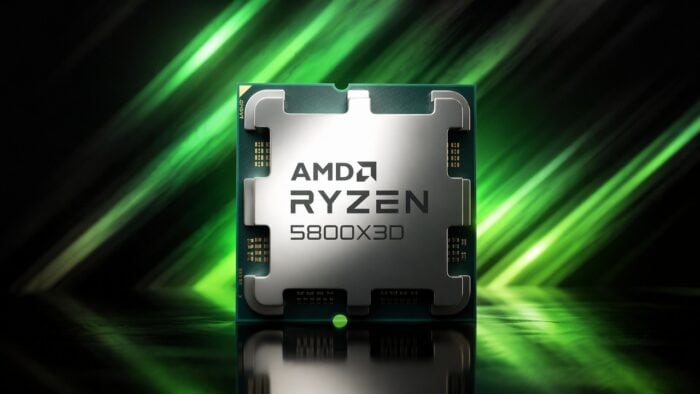
AMD appears to be bringing back one of its most popular processors, the Ryzen 7 5800X3D, as part of a special anniversary release. According to VideoCardz, leaker HXL shared a promotional image referencing a “10 YRS AM4 Anniversary Edition,” hinting at a limited reissue rather than a new product refresh.
The move comes as AMD celebrates a decade of the AM4 socket, a platform that played a major role in the company’s resurgence in the CPU market.
Same specs, different purpose
The anniversary edition does not introduce any technical changes. It keeps the same configuration that made the original chip stand out:
8 cores and 16 threads, boost clock up to 4.5 GHz, and a massive 100 MB cache powered by 3D V-Cache. The processor also retains its 105W TDP.
This confirms that AMD is not updating the silicon, but instead re-releasing the chip in its original form. The focus appears to be on availability and nostalgia rather than performance gains.
Why AMD is bringing it back
The Ryzen 7 5800X3D remains one of the most respected AM4 processors, especially among gamers. Its strong cache design allowed it to compete with newer CPUs long after launch.
However, the chip has become increasingly difficult to find. Major retailers like Micro Center no longer carry it, while listings on Newegg range between $471 and $510, well above its original price.
A re-release could help stabilize pricing and give late adopters or upgraders one last chance to invest in the AM4 platform.
Availability still unclear
The rumored launch window points to Q2 2026, but AMD has not confirmed global availability or pricing details. It remains uncertain whether the anniversary edition will reach all markets or stay limited to select regions.
For now, all signs suggest a commemorative reissue rather than a refreshed SKU with improved specs.
Broader AMD and gaming ecosystem updates
In related developments, Sony recently confirmed that PlayStation 5 Pro’s PSSR upscaling technology operates on similar principles to AMD’s FSR. At the same time, AMD is phasing out its Anti-Lag branding in favor of a new name, FSR Latency Reduction 2.0.
Separately, Radeon RX 9000 series graphics cards have seen price drops in Japan, reportedly due to softer demand.

Read our disclosure page to find out how can you help Windows Report sustain the editorial team. Read more



Improve this guide




User forum
0 messages