
Microsoft Explains Why Windows 11 Won’t Get More Transparency


 2 min. read
  Published on
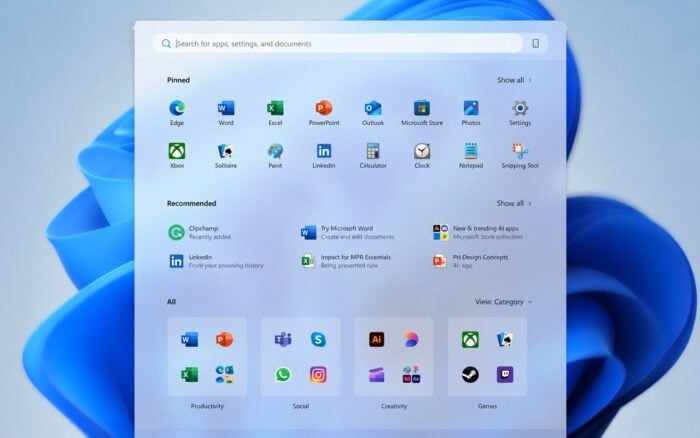
Microsoft does not plan to expand Windows 11 transparency controls in the near future, despite continued requests for stronger glass-like visual effects.
The company says it has no “immediate changes” planned for the existing transparency settings. Users who want heavier glass or blur effects may instead need to rely on third-party customization tools such as Windhawk.
Microsoft says stronger transparency creates usability concerns
Windows 11 already lets users disable transparency effects through Settings under Personalization > Colors. However, Microsoft does not provide an option to increase the strength of those effects beyond the default design.
Microsoft design executive March Rogers explained that stronger transparency can affect legibility and usability. The company also considers accessibility requirements, development costs, and whether a major visual change would benefit enough users.
Microsoft also evaluates whether the developer community already offers customization options before committing engineering resources to similar built-in features.
The company has not ruled out revisiting transparency controls later, but stronger native effects are not currently a priority.
Windhawk can provide stronger glass effects
Users looking for more aggressive transparency can turn to tools such as Windhawk, which offers Windows customization mods capable of changing the appearance of several interface elements.
Microsoft specifically referenced third-party tools such as Windhawk when explaining why some advanced customization options do not necessarily need to become native Windows features.
That does not mean Microsoft has stopped expanding Windows 11 customization.
The company is working on a movable Taskbar, while experimental builds have introduced a more customizable Start Menu.
Microsoft is also planning a major WinUI 3 upgrade that could influence how Windows applications and interface elements look in the future.
For now, however, users hoping for a native Windows 11 equivalent of stronger glass-style transparency will need to look elsewhere.
Via Windows Latest

Read our disclosure page to find out how can you help Windows Report sustain the editorial team. Read more



Improve this guide
User forum
0 messages