
NVIDIA Delays RTX 50 SUPER as RTX 60 Launch Reportedly Slips to 2028


 2 min. read
  Published on
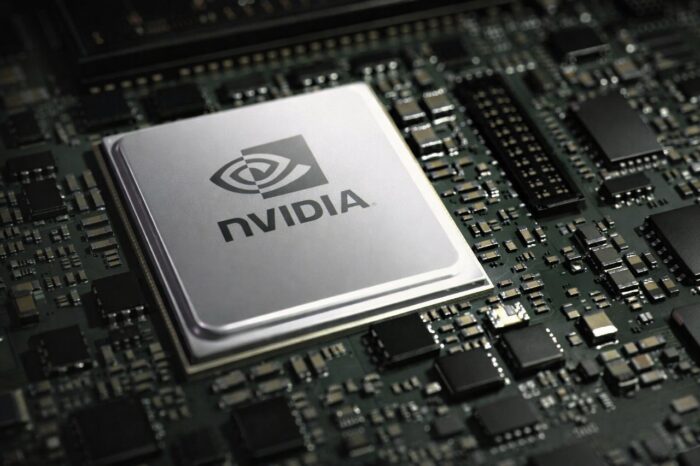
We recently saw rumors that NVIDIA might cut RTX 50 GPU supply to China by as much as 40%, and now fresh claims point to bigger changes across its gaming roadmap, including delays to the RTX 50 SUPER refresh and uncertainty around the next generation.
As VideoCardz reports, NVIDIA has reportedly delayed the GeForce RTX 50 SUPER lineup, with internal decisions traced back to December. The update follows earlier chatter about constrained supply and shifting priorities inside the company.
AI demand reshapes NVIDIA’s GPU priorities
According to a report from The Information, NVIDIA managers paused the RTX 50 SUPER refresh to prioritize AI accelerators. The report points to tight global memory availability and rising memory costs as the key drivers behind the move.
While the claims echo previous coverage around RTX 50 SUPER delays, the report adds a more significant wrinkle. NVIDIA’s next-generation GeForce RTX 60 series may miss its original 2027 window. Sources say the company initially targeted mass production for late 2027, but the schedule could now slip into 2028.
RTX 50 supply tightens as focus shifts away from gaming
The same report claims NVIDIA is scaling back production of current RTX 50 series gaming GPUs, which lines up with already limited retail availability across several regions. Some industry chatter suggests the GeForce lineup could lean more heavily toward midrange models moving into early 2026, rather than pushing frequent high-end refreshes.
Sources also say NVIDIA adopted a SKU prioritization strategy to avoid launching multiple cards with identical memory configurations. That approach has not meaningfully improved supply. Memory constraints continue to push NVIDIA to reserve capacity for AI accelerators, reinforcing a short-term shift away from consumer GPUs.
Claims about RTX 60 timing remain difficult to verify, since even well-connected insiders rarely see firm long-term production schedules. If the report holds true, gamers could face a longer than usual gap between GeForce generations, unless AI demand eases and NVIDIA rebalances its priorities.
In related news, separate reports suggest NVIDIA plans to release DLSS Dynamic Multi Frame Generation in April, which could bring near-term performance gains even as hardware updates slow.

Read our disclosure page to find out how can you help Windows Report sustain the editorial team. Read more



Improve this guide



User forum
0 messages