The Big Question: Purchase the Xbox One S, or wait for Project Scorpio?

At E3 2016, Microsoft dropped a few bombs and after the smoked had cleared, folks were left chatting about the official reveal of the Xbox One S and Project Scorpio. These hardware announcements stole the show and managed to overshadow the game reveals, so how do they stack up?

As you should know by know, the Xbox One S is just a smaller version of the Xbox One. While there have murmurs of the console being able to deliver higher performance than the original Xbox One, do not be fooled because that’s not the case. All games played on the Xbox One will look and perform the same on the Xbox One S. The Xbox One S does support HDR, though, so we expect future games to take advantage of that feature. Still, you’ll need an HDR compatible television or monitor for it to work and to be frank, HDR doesn’t matter so Xbox One owners won’t be missing out on anything important.

Microsoft calls Project Scorpio the most powerful console. Set to store shelves come 2017, it boasts monstrous specifications and could usher in an age of 4K gaming on consoles, something we’ve never seen before.

The question right now is: How does the Xbox One S stack up to Project Scorpio. And should you abandon any thought of picking up an Xbox One S this year?

Well, Project Scorpio is a six teraflop monster of a console, which means it is around 450% more powerful than the Xbox One S. There’s simply no competition here: Project Scorpio is beastly. If rumors hold true, this monster of a console should turn out to be at most, 150% more powerful than the PlayStation Neo.

It should be able to support high fidelity 4K gaming and VR. The Xbox One S cannot do 4K gaming nor does it support VR for gaming. It does, however, support 4K video content.

Will the games work across consoles? We do know Microsoft is aiming for all Xbox One S games to work on Project Scorpio and vice-versa. However, seeing as Project Scorpio is 450% more powerful, we do not believe all games on that console will come to the Xbox One S. The power difference is too big, so as the years go by, expect developers to focus their energies on a single Xbox.

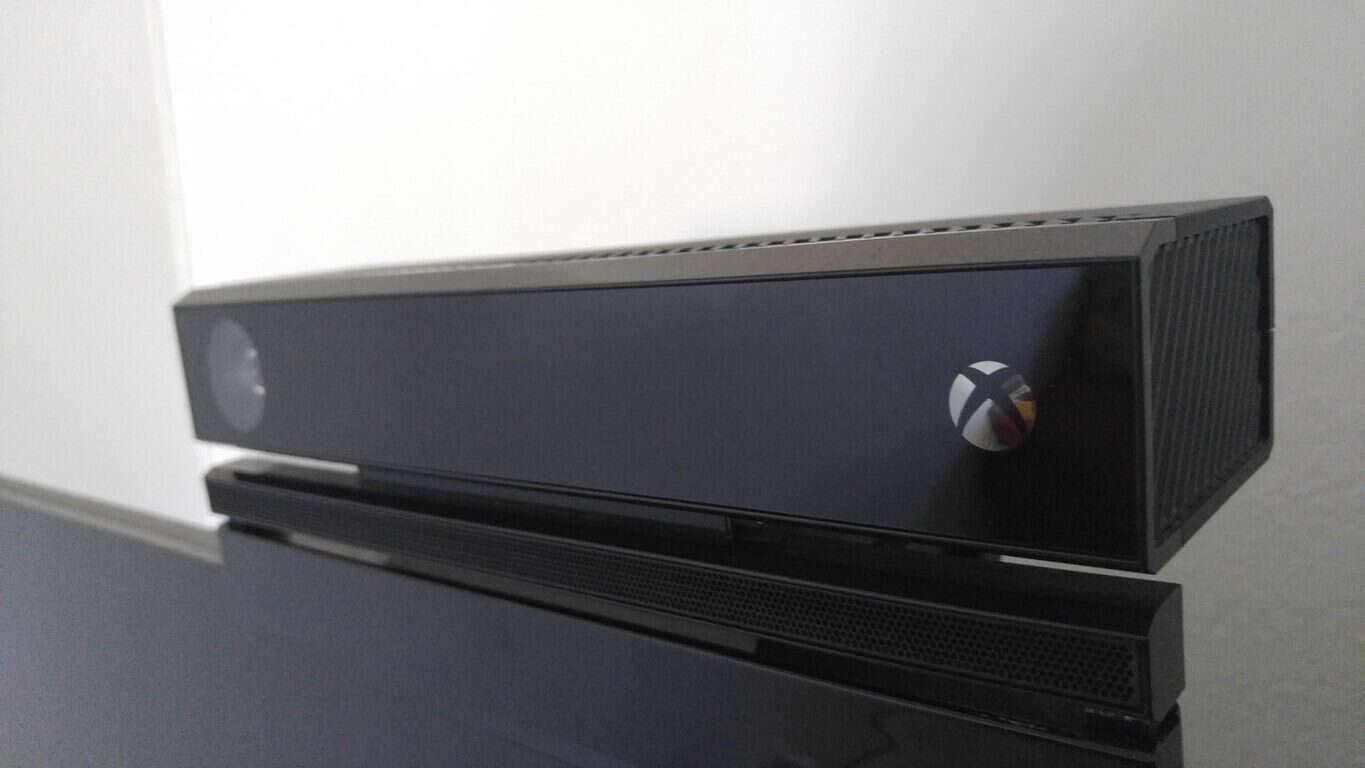
What about Kinect? Well, what about it? It’s an accessory barely clinging to life. If anything, Microsoft confirmed its untimely death by removing the Kinect port from the Xbox One S. Now, if folks want to attach Kinect to the device, they must go out and get a USB adapter. The rule is simple: If an accessory requires an adapter to work instead of an official port, it is as good as dead.

Now, whether or not Microsoft will try its hand at Kinect again for Project Scorpio is still left to be seen, but all indication says otherwise.

Should you purchase the Xbox One S or just wait for Project Scorpio? Here’s the thing: If you own a regular Xbox One, then there’s no need to purchase the Xbox One S unless you’re interested in saving a bit on your electricity bills. If you haven’t yet owned an Xbox On and you’re on a budget, then picking up an Xbox One S should be a no-brainer.

There are several cool games out there right now for Xbox and more on the way. Jump in, enjoy them and pick up Scorpio at a later date after launch.

RELATED STORIES YOU NEED TO CHECK OUT:

Microsoft releases its E3 2016 press conference statistics

Microsoft’s E3 2016 conference was arguably the best of the bunch due to the reveal of the Xbox One S and the announcement of Project Scorpio. While the games weren’t that exciting, they were good enough to whet our appetite and keep us interested in what Microsoft has in store.

Now, Microsoft wants to reinforce the success of its conference, which is why the company is releasing its statistics for E3 2016. Mike Nichols, Corporate Vice President of Marketing for Xbox, recently blogged about the conference and shared some data that many will find quite interesting.

Here’s the full rundown:

  • The Xbox E3 2016 Briefing was viewed over 6.6M times, an increase of 78% over last year and our most viewed live event to date.
  • During the week of E3, videos shared on the Xbox YouTube channel were viewed over 27M times, a massive increase of 184% over E3 2015.
  • Xbox received hundreds of E3 award nominations and wins from global outlets including IGN, Game Informer, Toronto Sun (CA), USA Today, Atomix (MX) and Polygon.
  • In excess of 340,000 unique, customized controllers were created and saved in the all-new Xbox Design Lab.
  • The “Friendly Update” for Minecraft that delivered Minecraft Realms to mobile and Windows 10 devices, has seen over 4M people play together across Minecraft: Pocket Edition and Minecraft: Windows 10 Edition via Xbox Live.
  • Over 4M friendships were forged and 90M hours of multiplayer were played on Xbox Live during the week of E3 – that’s more friends than the whole population of Panama and over 10,000 years of consecutive gaming.
  • The response to the Halo Wars 2 Beta exceeded expectations with over 1M matches played, totaling more than 2M gameplay hours.  The data and feedback gathered will play a crucial role in the development of the game, ensuring Halo Wars 2 is the RTS for everyone when it launches on Feb. 21, 2017.
  • In excess of 2M fans engaged with the newly launched Xbox Snapchat channel, checking out exclusive updates from the show floor and behind-the-scenes demos.
  • On Twitter, #XboxE3 was tweeted over 400K times throughout the course of E3, trended as the #1 topic worldwide for over an hour and a half, and was the most tweeted of any Xbox hashtag.

The new Xbox One S will start at$299, however, that version won’t hit stores until in December of 2016. The $399 version will be ready by August of this year, and will come with a 2TB hard drive. As for Project Scorpio, the console is set for a 2017 release date.

RELATED STORIES YOU NEED TO CHECK OUT:

Disney Find ‘n Seek now available on Windows 10 and Windows 10 Mobile

Microsoft just announced that Disney’s new game, Disney Find ‘n Seek, was released to the Windows Store. Starting Monday, players on both Windows 10 and Windows 10 Mobile game will be able to download and play Disney’s latest title for Windows 10 from the Store.

In Disney Find ‘n Seek, you play a detective who needs to find hidden stickers from many different scenes of Disney’s movies. Some of the characters you’ll see while playing the game are Olaf from Frozen, Rapunzel from Tangled, Donald Duck and his three nephews, and more.

“Oh no! The sneaky Tricker-Stickers have escaped, and they’re running amok in the Disney Enchanted Library! Only you can find them all, and save the precious books! Search for hundreds of hidden objects scattered throughout your favorite Disney stories. Reveal hard-to-find objects with Pencil-Topper Power-Ups! Beat the clock and complete your collection of wacky Tricker-Stickers! They can’t hide for long!”

  • Search through your favorite Donald, Frozen & Tangled scenes!
  • Look for hundreds of objects!
  • Race the clock!
  • If you’re clever & fast, you’ll earn combo bonus points!
  • Capture wacky Tricker-Stickers, like Burping Bag and Petulant Pillow!
  • Features the voice of Ernie Hudson, star of the classic film, Ghostbusters!

Although the game is free of charge for everyone with a Windows 10 device, it comes with a large number of in-app purchases, so players who want to enhance the playing experience even more will probably buy an add-on or two.

If you want to download Disney Find ‘n Seek, you can do so right now from the Windows Store.

RELATED STORIES YOU NEED TO CHECK OUT:

Wells Fargo Windows 10 app now available in the Store

Wells Fargo finally released its official Windows 10 and Windows 10 Mobile app, something we’ve anticipated for a while now. A similar app is also available for Widows Phone 8.1, but the new version brings improved design as well as new functionality.

Here’s what the official Wells Fargo app for Windows 10 has to offer to users who install it:

Manage your money

  • View account balances, including your available balance and pending deposits
  • Deposit checks quickly using your Windows 10 Phone’s camera
  • Help avoid fees and get notified of suspicious activity with text or email alerts
  • View your credit card transactions and manage your rewards program
  • Find one of our approximately 12,800 ATMs or 6,200 retail banking stores nationwide
  • Access money management tools, including My Spending Report

Make transfers and payments

  • Make transfers between your accounts at Wells Fargo as well as at other Financial Institutions
  • Pay your bills quickly and easily with Bill Pay
  • Send money to just about anyone with a U.S. bank account without sharing account numbers. All you need is a mobile number or email address.

Track investments

  • Streamlined Navigation: An improved way to find account and investment resources
  • Brokerage Account Overview: A consolidated view of all of your accounts, all in one place
  • Portfolio Page: Simplified page highlights key data and holdings details”

Wells Fargo is one of the biggest banks in the US, so its presence in the Windows Store is certainly something. It’s also good that another major financial institution released its official Windows 10 app, after American Express (although we’re still waiting for the official release) and Bank of America.

Just like a lot of companies and services, Wells Fargo had an app designed for Windows Phone 8.1, but since the release of Windows 10 has abandoned it. It’s important for the platform itself that a major company like Wells Fargo released its official app for Windows 10, just when everyone’s talking about its death and the insurmountable apps gap.

If you want to download the brand new Wells Fargo app for Windows 10 or Windows 10 Mobile, you can do so from the Windows Store for free.

RELATED STORIES YOU NEED TO CHECK OUT:
Mastercard releases Simplify Commerce cloud payment platform for Microsoft Dynamics

Microsoft Dynamics has been gaining momentum as of late with the recent purchase of LinkedIn and the addition support from Quote-to-cash solutions. Adding its name to the hat is MasterCard, opening up Simplify Commerce for Microsoft Dynamics customers.

Simplify Commerce is a payment platform from MasterCard that will make it possible to add payments seamlessly with Microsoft Dynamics AX as well as offer many other payment options to manage business software securely.

The press release covered by Business Wire goes a little bit more into detail and highlights the key features including:

  • Easy Integration: Businesses can easily add payments to Dynamics AX to begin accepting and managing online and call center payments within their existing operation.
  • Seamless Updates: Customers will stay up to date on the latest developments in the payments industry—from cutting-edge security to regulatory protocols—without lifting a finger. Through the integration, users will automatically take advantage of coordinated updates from MasterCard and Microsoft.
  • Expansive Global Footprint: Simplify Commerce provides connectivity to acquirers worldwide through a single connection point. Businesses can expand geographically without hitting payments hurdles.

Simplify Commerce is available through a total of thirteen 13 major countries and MasterCard intends to extend it further in the future. The thirteen available are: U.S., Australia, Canada, Denmark, France, Germany, Iceland, Ireland, Mexico, New Zealand, South Africa, The Netherlands, and the UK

Merchant accounts with TSYS, EVO Payments International, and Priority Payment Systems are all supported by the cloud-based payment platform. Implementing Microsoft Dynamics AC with Simplify Commerce will bring PCI compliance and make it easier to use many retail processes including mobile commerce, e-commerce, and call center channels. Find out more information by checking out the official site at www.simplify.com/microsoft 

Still not entirely sure what Microsoft Dynamics is exactly? Read our feature to learn more about why it is hitting the headlines more and more this year.

Slack’s Beta Windows 10 desktop app gets updated with better resume from sleep, other fixes

Becoming a participant in the various Microsoft Insider or preview programs are beginning to net more than access to early build release of operating system or business related software. With the Groove Music team, Facebook and Slack flighting and releasing early versions of its software on Insider specific versions of the Windows 10 operating system, it would seem developers also see the benefit in segmenting their audience participation.

Today, the Slack team released a new version of its Windows 10 Beta desktop app that includes:

What’s new

  • Customers on the Windows 10 beta will see enhanced notifications, including the sender’s profile picture and image attachments. What a delight!
  • When resuming from sleep, Slack was unusually groggy and would sometimes take over a minute to reconnect. We set an alarm, applied caffeine and a dash of code, and behold: the app resumes much faster now.
  • A shiny new About box that lists our licenses legibly. Legalese: let it be.
  • Can’t find the release notes, you say? Wait, how did you get here? Oh well– try Help > What’s New next time.

Fixed

  • An issue where teams could fall out of any sensible order in the sidebar. We put them back in formation.
  • The sidebar was using the menu background color rather than the channel list color, resulting in a fashion faux pas for some custom themes.
  • Always Show Menu Bar was checked when it should be unchecked, and unchecked when it should be checked. We swizzled its quantum spin and the universe is consistent once again.
  • Opening developer tools through a troubleshooting link (which we occasionally use for support) now does what we told you it would do.

The new version number for the release comes in at 2.1.0 and interested parties can download the beta here. Let us know what other beta or Insider programs or apps you’re currently a part of and how the experience has been.

Grab the desktop app here.

Norwegian education company Skooler launches in the UK, partners with Microsoft

Skooler, a Norwegian education technology company, has launched its product portfolio in the UK, and has partnered up with Microsoft in the process. Skooler offers a dashboard system, aptly named Skooler Dashboard, which brings Microsoft’s Office 365’s suite of collaboration tools into one central, customized location.

With the dashboard, educational institutions can offer students and staff a customized interface, whereby they can set their logo, upload resources, and share documents. Skooler assists teachers by helping them create lesson plans, establish learning objectives, and set assignments for students to work on.

One example use of the platform covered a teacher writing notes and an assignment task on their Windows tablet, and assigning it to a student. Once assigned, the student then receives an email, where they can open up an app and view the notes that the teacher wrote – and then begin work on the assignment.

The process removes the necessity for teachers to remember everything that has been said in class, and set assignments on-the-fly. Overall, the aim of the platform is to bring Office 365 to education. What may have seemingly been a confusing system for people, has been made simple and easy-to-use for teachers and students alike.

A video demoing the full suite, Skooler LMT, which includes all Office 365 apps, can be seen below:

Some of the features included on the platform are:

  • Assignment setting and tracking
  • Create and store lesson plans
  • Communicate with others – in groups and individually
  • Share teaching resources, including: documents, links and files

Skooler and Microsoft will be holding a joint event at The Norwegian Ambassador’s Residence  on July 5th, 2016 at 18:30PM. The event will kick off with a short presentation on OneNote, which will be held by the Microsoft team. After the event, you will be able to talk with others at the event, with drinks provided and Canapes.

Office 365 Business Community merges with the Microsoft Community

Microsoft has continued to consolidate its resources, even for the support forum community. After 5 years, the Office 365 for Business Community was merged into the Microsoft Community pages. Todd Sweetser explains in the recent blog post that over time, many topics got duplicated between the two communities, and so it only made sense to put both together to make content easier to find for both kinds of users. The change was implemented on June 17th.

Some of the forum threads from the prior Office 365 for Business Community were settled in a Legacy 0365 Business Community sub-forum that will be locked for new topics. The Office 365 Wiki articles are also being moved over to the new community page.

If you’re an Office for 365 for Business regular, head on over to the new home at Microsoft Community to check out the new changes or visit the Getting Started to get yourself acclimated for making the community your own. Let us know in the comments what you think of this merger of Microsoft communities.

The original Xbox was going to be “a console that was really a PC”

In the wake of its appearance at E3 2016, Microsoft’s vision for the future of gaming has been called into question by critics, gamers and fans over the last couple of weeks. With talk of merging PC and console gaming, mid-generation device upgrades and a cross-platform gameplay pitch have many wondering what Microsoft’s end goal is and to what degree the company can accomplish its lofty goals.

While Microsoft’s ultimate future in gaming remains a big question mark for the foreseeable future, the origins of its Xbox division may help shed some light on where the console was headed and where it may fundamentally take the company’s gaming efforts.

Xbox One S
Xbox One S

In a video recorded interview with IGN Xbox co-creator Ed Fries wax’s poetic about his mechanical and programming background that led to a job at Microsoft and ultimately the creation of the Xbox. In the hour-long interview, Fries talks about his love of games such as Doom 2, Civilization and Populist while he worked on a seven-man team at Microsoft creating Excel.

More to the creation of Xbox, Fries talks about how he left his role in the Office division mid-ascension to head up a group within Microsoft to develop a robust gaming portfolio for the company’s PC game offerings.

Along the natural progression lines, Fries explains his meeting with the Direct X evangelists that led to the discussion of the first concepts of the Xbox, which many know to have been pitched as a PC in a console body.

It’s gonna look like a game console, you’ll stick a CD in and it’ll install it quietly in the background. But it’ll really be just a PC CD, and then it’ll play like a console, but it’ll really just be a PC game.”

Fries also talks about how he initially dismissed the idea but thought the transition was easy enough to explore. The interview continues to highlight the internal struggle between a division Fries headed, and the Sega Dreamcast line partnered with the X3DO group, both vying for a chance to build Microsoft’s first console. Other noted topics of discussion include what Fries refers to as the Valentine’s Day Massacre, Bill Gates decision between supporting Windows in a box or a more PS2 type console, and why he went after Halo.

In a bit of a candor moment, Fries also discusses why he left the company and how Halo become the reason for his departure as well as taking the time to acknowledge and cover the long-running rumors of Microsoft buying Nintendo or partnering with Sony.

While the interview is pretty lengthy, in internet terms, it serves as an eye-opener to the many struggles the Xbox division had and presumably continue to have to this day but coming full circle; it seems the Xbox division is going back to its origins as of late. The company may not be building a direct PC CD console in the Xbox One, Xbox One S or Project Scorpio, but Microsoft appears to be leveraging their PC portfolio once again to bring a new gaming experience to market.


Tell us why you want a Mini Battle Map Pack code for Minecraft: Xbox One Edition and we’ll give one away!

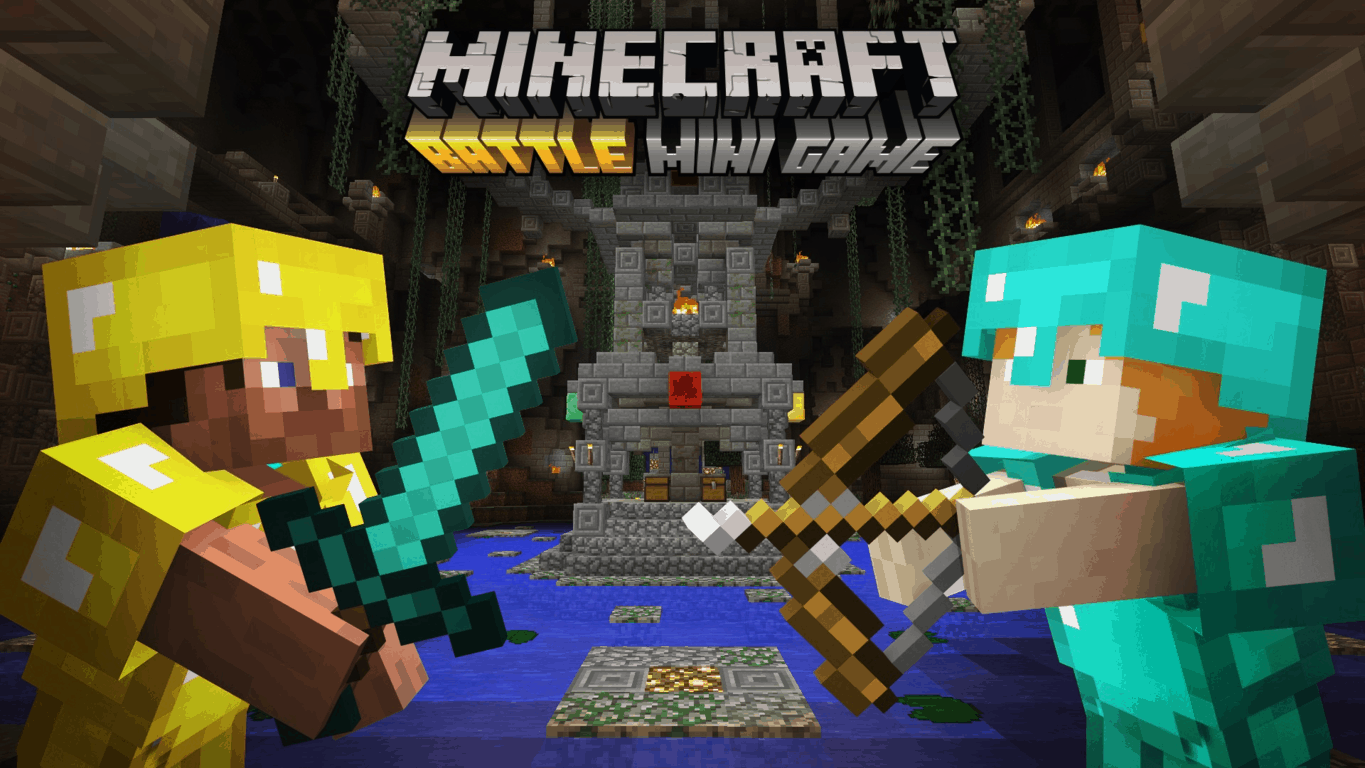
Just last week we delivered you the exciting news that the last-Minecrafter-standing deathmatch Battle mini-game rolled out to all owners of the console editions of Minecraft via a free game update. While we’re already enjoying Minecraft’s new Battle mini-game, today we are proud to report that we’re giving away a code for the first wave of Battle mini-game’s maps.

All you need to do to win the token for the first map pack for Minecraft: Xbox One Edition is drop us a comment telling us why you want a Mini Battle Map Pack code. Is it because you’re a diehard Minecraft fan? Or maybe it’s because you can build the best creations? Or perhaps you may be good at surviving the madness of a Battle mini-game match? Either way, if you’re selected as the lucky winner you will get a token to take up arms in the Temple, Medusa and Lair maps.

Please be civilized and kind with your comments, as we want all readers to have an equal chance at winning the code. Multiple entries will be voided, and you are required to leave us your Twitter handle below so we can reach out to you if you win. The competition to win the code is open in the comments section below this article from Wednesday, June 29th, 2016 until Thursday, June 30th at 3:00 PM EDT.

Thank you for being a WinBeta reader, and good luck!

Office Delve for Windows 10 app preview is now available

Earlier this month, we reported that Office Delve, an intelligent search feature for Office 365 customers had been spotted on the Windows 10 Store but couldn’t be installed yet. That’s now a thing of the past as Microsoft just announced today that the app has now been officially released on the Windows 10 Store, though it’s still in preview and only available on Windows 10 PCs and tablets right now (iOS and Android apps have been previously released on earlier in November). You can find the official description below:

Delve helps you stay in the know, powered by who you know and what they are working on. With this preview app for Windows 10, you’ll be notified about document updates, and get document suggestions that are relevant to your work. You can also find people and get back to your recent documents and attachments, all in one place – all in one app.

Key features of the app:

  • Get updates about what your colleagues are working on
  • Find relevant documents and attachments based on people you know
  • Get back to important documents you’re actively working on
Office Delve for Windows 10 Preview.

Microsoft added that “support for Windows 10 phone will be added at a later date.” If you want to try the app, be aware that you will need an Office 365 work or school account that has Office Delve enabled by your Office 365 admin. You can get the app on the platform of your choice from the download link below.

Delve
Delve
Price:
Free


The app was not found in the store. ?


The app was not found in the store. ?

Microsoft’s Kinect finds new life in a Crayola Factory

From live performances to trying on clothes, and more recently the blending of holograms, Microsoft’s Kinect technology has already seen many interesting use cases. A Reddit user, though, has just noticed that Kinect is also being used in the Crayola Factory in Easton, Pennsylvania.

A look at the Xbox One Kinect at the Crayola Factory in action (Photo from u/MrMinky85 on Reddit)

In the photo uploaded by the Reddit user, three Kinect sensors can be seen along a video wall at an exhibit in the Crayola Factory. From the photo, it would appear that the sensors are used to track the movements of the child standing in front the wall. It could be assumed that after tracking the child movements, the sensor does it’s magic to project his movements to match those of the crayon seen on the board.

A closer look at the Kinect Sensor seen at The Crayola Factory (Photo from u/MrMinky85 on Reddit)

A second image (which the Reddit user calls “potato quality”) gives us a more closer look at the sensor. In somewhat related news, reported a few weeks ago, the newest Xbox One S will continue the Kinect compatible tradition,  but will require a Kinect adapter, which will be available for free.

Indie game Inside, from Playdead, available now exclusively for Xbox One

INSIDE, the latest game from the developers at Playdead, is now available exclusively on the Xbox One.

This is just the latest title from Playdead, as in 2010 the Indie developer delivered the critically acclaimed dark macabre LIMBO. In the new title, INSIDE, you will follow a young boy into the depths of a dark project. With every anxiety-filled step forward, you’ll encounter an unexpected obstacle, from escaping rabid dogs to investigating a scientific experiment. INSIDE is an utterly unique experience – terrifying, clever, confusing and gratifying all at once.

So, what are your thoughts? Are you up for the terror, confusion, and gratification of INSIDE? Will you pick up this Xbox title, available at the Xbox Store today? Let us know by dropping us a comment below.

Take a look at the new official Titanfall 2 Xbox One controller

Back at E3 2016, EA revealed a multiplayer trailer for Titanfall 2 which showed off wallrunning, plenty of giant robots, lots of explosions, and all the  cool new gadgets in the game. Today we’ve just come across a cool new Titanfall 2 controller for the Xbox One, which is sure to go well alongside the main game.

A look at the Titanfall 2 Xbox One controller

Set to be released on December 30th, the wired controller is priced at $59.99 and features an offically licensed Titanfall 2 inspired design. It also has the added bonus of Multi-Function wheels,  premium ALPS analog sticks, a 10 inch detachable cable, vibration feedback, impulse triggers, and audio supprt and controls. You can also customize up to 6 different actions on the controller, so you don’t have to worry about taking your thumbs off the premium ALPS analog sticks during gameplay.

So, what do you think of this controller? Will you be pre-ordering it? Let us know your thoughts by dropping us a comment below!

Poll: Skype or separate, how should Microsoft deliver Messaging Everywhere?

Microsoft changed their minds again regarding Messaging Everywhere on Windows 10. For the last few months Insiders could send SMS text messages from their PCs using the Messaging app, with Messaging syncing across a variety of devices. It was a great feature and generally a smooth experience. Now, that feature won’t be shipped with the Anniversary Update this Summer. Instead, Microsoft will deliver an experience through the Skype app.

This decision led to backlash on social media and around the web. It’s important to point out that people were also upset when Microsoft separated Skype Messaging and SMS messaging within Windows 10, even though they were previously together through the Messaging app, not the Skype UWP.

Needless to say, this is the most divisive story that’s come out this week so far and it’s perfect for this week’s poll.


Let us know in the poll how you would like the Messaging Everywhere experience to work across devices and share in the comments below how you would make it work.

PopcornFlix for Windows 10 allows you to watch movies for free on your device

One of the largest independent film distribution companies in the US, Screen Media, just released its PopcornFlix app for Windows 10. This app allows users to watch movies on their Windows 10 or Windows 10 Mobile devices for free.

Screen Media owns one of the biggest independently owned film libraries out there, so users of PopcornFlix can choose from the wide range of movies from various genres.

PopcornFlix is completely legal, so you don’t have to worry about breaking any laws while watching a movie. Of course, the app doesn’t offer major Hollywood hits, but it has a pretty decent collection of movies, all for free, without any subscription fees

PopcornFlix is a UWP app, which means you can enjoy the movies and TV shows it offers on every Windows 10 and Windows 10 Mobile-powered device.

“PopcornFlix is a free, ad-supported streaming service that offers a variety of films and series in a growing number of countries all over the world. Our service is completely legal and does not require downloads, subscriptions or any other hassles – films are easily streamed on your device. PopcornFlix offers its viewers a wide array of content, ranging from big studio pictures to independent cinema, documentaries and cult classics.”

What do you think about the movies and TV shows Popcorn Flix has to offer? Will you install it on your Windows 10 or Windows 10 Mobile device? Tell us in the comments below!

If you want to download PopcornFlix and watch movies and TV shows for free, you can download the app from the Windows Store.

RELATED STORIES YOU NEED TO CHECK OUT:

Microsoft limits the amount of data OneDrive users can share

Microsoft’s OneDrive is a free cloud-based storage the company offers to anyone with a Microsoft Account. However, users of OneDrive saw a couple of restrictions lately that will sour their relationship with the service a bit.

After reducing the free amount of storage from 15GB to 5GB, Microsoft is now introducing one sharing limitation that will control the volume of data free OneDrive users can share. This limitation was spotted by a German website, Deskmodder, who reported about the error message that shows up when users reach the limit of shared data. The error message says (translated from German):

“You have recently reached the limit for approvals. Some people may not be able to access your shared items . Try to share with fewer people, or sharing fewer large files.”

OneDrive data limit

In order to be able to share a bigger amount of data, users will need to subscribe to Office 365. As a reminder, the Office 365 subscription is also required to increase OneDrive’s storage from regular 5GB to 15GB (but we have a trick for that).

This was a stealth move by Microsoft as the company was silent about it and didn’t release any official statement. It’s obvious that Microsoft wants to encourage more users to buy the Office 365 subscription with limitations like these, but it actually can turn bad for OneDrive. Rival cloud storage services, like Google Drive or Dropbox, don’t have these limitations and are both available for free, so users easily recognize them as better options than OneDrive.

Tell us in the comments below: will you continue to use OneDrive despite all these limitations or will you migrate to another cloud storage? Also, are you willing to buy the Office 365 subscription just to use OneDrive’s full capability?

RELATED STORIES YOU NEED TO CHECK OUT:

Did Microsoft just Rickroll business customers with an AppSource site tailored to finding business apps?

Persistent Microsoft leaker WalkingCat tweeted out a photo of an upcoming Microsoft website, AppSource. The service is designed to help businesses find apps that they need to assist their operations – for example, they can choose to view all apps associated with “customer service.”

https://twitter.com/h0x0d/status/747931046197362688

When browsing the website, we decided to press the “How it works” button, expecting a helpful modal with some information on how to use AppSource, but instead we were greeted with a rather familiar face and voice…

That’s right. Good ol’ Rick Astley – and yes, Microsoft did successfully Rickroll us. Let’s not speak of this day again.

AppSource assists businesses in finding apps that assist in the everyday running of their business, with solutions tailored to specific teams and roles. Apps are available across different Microsoft platforms, such as Azure, and are published by a wide-range of different companies. It is not clear whether businesses are currently using this service, or whether it’s something that Microsoft is still working to deliver. However, it can’t be too good for PR if the company is dishing out Rick Roll’s to corporate customers.

You can take a look at the AppSource website here.

Windows 10 Anniversary Update will not bring the anticipated “Messaging Everywhere” functionality

With the announcement of Windows Insider Preview build 14376 to Insiders on the Fast Ring earlier today, it appears that the much-anticipated “Messaging Everywhere” feature will not be coming in the Windows 10 Anniversary Update.

Microsoft noted at the end of the long list of improvements and fixes for Windows 10 Insider build 14376 for PC and Windows 10 Mobile Insider Preview build 14376:

“We have been testing with Windows Insiders a preview of the “Messaging everywhere” feature that allows you to receive and send text messages from your Windows 10 phone directly to and from your Windows 10 PC. The experience was well-received by Insiders, however, we believe we can deliver an even better experience through the Skype app. Because of this, we decided not to release this feature as part of the Windows 10 Anniversary Update this summer. Starting with Build 14376 and going forward, Insiders will no longer have the ability to reply to text messages from their phone via the Messaging app on their PCs. The ability to reply to text messages on your PC using Cortana is unaffected. Going forward, we will be working with the Skype Team on delivering a great “messaging everywhere” experience on your Windows 10 devices through the Skype app. We will share more details about this experience in the months ahead.”

Not exactly the news that some of us would like to hear, especially for those that don’t use Skype. However, the “Messaging Everywhere” decision might be something that is beyond Dona Sarkar and her team’s control. Being a Windows Insider, replying to a text message via the PC will be one feature that will be deeply missed.

Microsoft marks a major milestone with one millionth Xbox Elite wireless controller

The Xbox Elite controller is one of the best parts of Xbox if you’re someone who considers yourself a serious gamer. The controller, which costs $199, is a feat of design when it comes to gaming paraphernalia. A steel shell, interchangeable buttons and sticks, two different game modes, and enhanced grips all make the Elite controller an absolute must-have for people who consider themselves competitive and don’t mind dropping some extra cash to get that extra edge.

On Twitter today, Phil Spencer tweeted out a photo of the one millionth Xbox Elite controller produced. The controller was marked with a “1,000,000” near the bottom, proudly marking the unit as, quite literally, one in a million. The controller hasn’t been sold yet as far as we can tell – it looks like it just came out of production and got packaged. If you want to get your hands on it, you might want to try your luck at buying one on Amazon if you haven’t already – if you’re insanely lucky, this unit might just end up at your doorstep. It’s also entirely possible that this one might end up being given away on Phil’s Twitter account, so you may want to follow him for more news.

Regardless of how the lucky recipient of the controller will go about grabbing it, this is great news for people who supported the decision to throw these into production. While it was initially thought that Elite controllers were only going to fill a small niche, the fact that one million of them have been produced is huge – not to mention the fact that they’re putting a whole new batch of the controllers into production to celebrate the launch of Gears of War 4.


Microsoft outlines how face recognition can be integrated into a Universal Windows App

The developer-focused blog posts continue from the Windows App Team with their recent look into the FamilyNotes sample app. The application is a sticky note style, meant to be used between family members to keep everyone the know easily. While the app isn’t available on the Windows store, the GitHub repository sample can be accessed and toyed with by developers for a better understanding of the upcoming Windows Anniversary features such as ink, speech, and face recognition.

Admittedly, the introduction to face recognition through camera features introduces a list of new concerns, many of them centered around privacy and the utilization and storage of images in relevant apps. In today’s blog post, the Windows Apps Team went into more depth concerning the FamilyNotes sample app and how developers could use this feature in their own projects safely and effectively.

Privacy being the key element to any face recognition coding, FamilyNotes keeps the user informed anytime that the camera is about to capture an image or submit it to an external service such as the Microsoft Cognitive Services Face API.

For developers to begin building apps that enable the use of Microsoft Cognitive Services, they will need to sign up for a free trial subscription to receive the MCS Face API keys. Afterward, they will be able to set up a FaceServiceClient through a single line of code, enabling interaction with the API for user identification. For FamilyNotes, this means that every image will need to be collected and stored for each user, then the app will recognize when an identified user is in front of the camera, take the picture, and verify it across the stored images so that it can show the proper information.

The MCS Face API has three different methods of supporting this: identification, similarity, and verification. Through identification and similarity, the MCS compares the images to those that have been previously stored. However, with verification, the app will submit two images and then compare them to ensure they are the same. The sample FamilyNotes app uses the similarity method for less service transactions.

Once the collection has been established, the app can begin to determine if there is an identified user present in front of the camera. Much like the Microsoft Magic Mirror shown off at InnovFest Unbound 2016 in Singapore, the use of the camera is kept in the background to offer a seamless experience automatically as the users are identified. That is thanks to the face recognition not using the CameraCaptureUI, but instead using the MediaCapture API. The FaceDetectionEffect is created and added in the MediaCapture object through coding, essentially letting the camera capture a stream of images as fast as every 33 milliseconds to compare to the stored facial images.

Applications that implement face recognition should account for occurrences such as multiple users in front of the camera or how many submissions are available through the use of the free MCS Face API account. Simply put, the app shouldn’t constantly be streaming video for an attempt at face recognition. For FamilyNotes, the app limits the recognition only to when a user is in front of the camera and also applies a 10-second limit to the process. Adjusting filters and scenarios to determine the usage of the API has multiple solutions, where developers can truly implement the styles they prefer within reason.

Want to learn more about how to develop with the use of face recognition? Visit the full Windows blog post.

Todoist updates its Windows 10 app with features aimed at business users

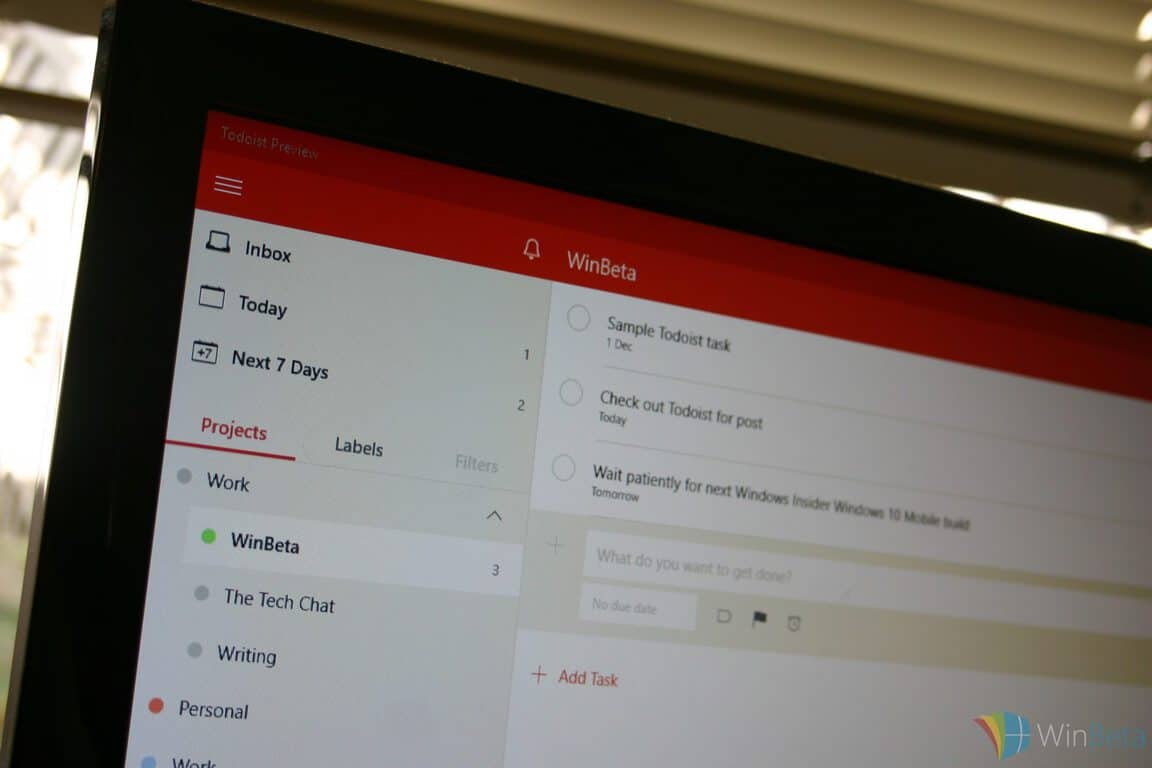
Todoist is one of the best to-do list apps in the Windows 10 Store, and there’s good reason. The app is great not only for people who need to casually log projects and dates in their computer, but also for people who need a sophisticated program that can do tons of things to keep them organized.

In the interest of further improving the experience of Todoist users, the team behind the app is adding in a few more features. You can check out all of the details of the new features right here, but here’s the overview.

  • Team Activity Logs for transparent, efficient project management
  • Project Comments keep high-level information organized and easily accessible
  • Smarter notifications for glanceable information
  • Faster, simplified project invites
  • A smarter cross-platform Quick Add to add and delegate tasks from anywhere
  • Become more efficient and focused with these exclusive promotions

The updates are based around making Todoist a better app for businesses, specifically for teams that are working on projects together. The new features, primarily the addition of team activity logs and project comments, make Todoist a very strong option for teams that need to keep tabs on each other and open up a dialogue with their coworkers. Along with those, the addition of simplified project invites and cross-platform quick adding are great quality of life additions, even though they don’t quite revolutionize the experience.

Activity Log
Todoist’s new Activity Log shows what each user is working on.

The blog post announcing these changes noted that this is just the first phase of these business-related changes, saying that it’s “the first step toward making Todoist Business a more powerful, streamlined project management platform for teams of all sizes.”  We don’t know how much farther the Todoist team intends to go with its new business-centric trajectory, but this is definitely a good start.

AutoDesk SketchBook is a must have drawing app for Windows 10

Those who like to sketch should of, by now, have heard about AutoDesk Sketchbook, arguably one of the best apps for sketching available. As such, it makes sense its developers have created a Windows 10 version, recently releasing a touch-optimized version of the software.

For those who have not yet used AutoDesk SketchBook, the app has a very powerful brush engine with around 140 brushes to play with. They perform the same way as the x86 app, so nothing new to learn: just jump in and begin taking advantage of what the brushes have to offer. Futhermore, the app works with unlimited undo and redo, along with unlimited layers.

    –  Buy now Autodesk’s Sketchbook from the official webpage (only $12 per month)

Here is a list of the top features:

  • Designed specifically for both pen and touch input on Windows tablets
  • The entire screen is your canvas with a full screen workspace and unobtrusive user interface
  • Open and Save layered PSD and TIFF files for easy interoperability with other applications, including SketchBook for desktop
  • Control the finest details of your art with up to a 2500% zoom
  • Choose from over 10 preset brushes, including pencils, pens, and markers that deliver a natural drawing experience
  • Synthetic pressure-sensitivity
  • Sign in with a free SketchBook account and unlock the Layer Editor, Symmetry Tools, and more
  • Advanced Tools with a Pro membership
  • Pro membership: Choose from a comprehensive brush library with pencils, pens, markers, and brushes, including new Synthetic and Smudge brushes
  • Pro membership: Full layer controls, including rich layer blending modes; makes image manipulation easier than ever
  • Pro membership: Other workflow improvements, including new ruler guides, flood fill, and much more
  • Pro membership also unlocks complete access to SketchBook on Windows desktop, Mac, Android, and iOS, including all upgrades as long as your membership is active

The AutoDesk SketchBook app can be downloaded here from the Windows Store.

RELATED STORIES YOU NEED TO CHECK OUT:
Microsoft Mechanics explores the physics behind the Surface Pen

As we’re nearing the release of the Windows 10 Anniversary update (get ready for a release in early August instead of July 29 as we reported earlier today), owners of Windows tablets should be looking forward to play with Windows Ink, which is a kind of alternative user interface to interact and get creative with Windows 10 using a compatible stylus or pen such as Microsoft’s Surface Pen.

Of course, not all styluses are created equal and Microsoft wants to emphasize why the technology behind its Surface Pen makes it a more versatile tool than its competitors. Just two weeks after Microsoft’s Director of Program Management for Surface devices Vineet Thuvara provided a video tour of the pen design and performance, the Director and engineer is back this week to explain the physics behind the Surface pen and display interaction.

We invite you to watch the three-minute video below:

A few highlights from this video:

  • The Surface Pen supports 1024 levels of pressure. Using the Surface app on a Surface Pro 4 or a Surface Book, you adjust the pen’s sensitivity to suit your preferences.
  • The surface Pen is available with four different tips ranging from extruded, highly compressed fiber to hard-molded polymer to give users the right balance of friction and durability.
  • To reduce inking latency, Microsoft is relying on speedier GPUs on both the Surface Pro 4 and the Surface Book. The engineers also worked to optimize all the interactions across the stack from the pen hardware to the operating system, and even worked with applications teams like OneNote to provide the best inking experience.

We’re glad that Microsoft has been setting a pretty high standard with its Surface hardware, but it’s now up to third-party OEMs and Windows developers to enable innovative use cases with digital inking on Windows 10. If you own a recent Surface device plus a Surface pen, are you satisfied with the versatility of Microsoft’s stylus? Let us know what you think in the comments below.

Sway is updated for Office 365 customers, adds password protection, more

Since the release of its new digital storytelling app Sway as a new member of the Office productivity apps ten months ago, Microsoft has been iterating pretty quickly as the app has received several new features recently such as video and living images support, integration with other Office apps, Power BI and more. Today, the Sway team has published a new blog post to celebrate the success of the app (“millions of Sways” have been created since the general availability of the app according to the team) and to also announce three new features that are going to be exclusive to Office 365 consumer, work, and education subscribers.

According to the team, these three new features are a result of the feedback from Office 365 users. The first addition is a password protection feature for Sways, which will provide more flexibility to Office 365 work and education customers (until now, those users could only limit sharing of Sways at the organizational level). You can see how to set a password for your Sways on the GIF below (click to view the animation):

Sway Password
Adding a password to a Sway (click to view animation).

The second addition is not actually a new feature, but the Sway team has increased the content limits in Sways to allow Office 365 subscribers to create longer, more dense documents. The team added that “our own data shows us that our Office 365 subscribers typically create longer and more robust Sways with higher amounts of videos, tweets and other embedded content.”

Lastly, Office 365 subscribers will be able to remove the informational footer at the end of a Sway and “achieve a more polished look.” To do so, just tap the “Share” icon and uncheck the “Show Sway branding in this Sway” checkbox. The following GIF demonstrates the process (click to view the animation):

Sway Footer
Removing the footer (click to view animation).

These three new features are available right now in Sway on the web while the Windows 10 app will get them in the coming months. The Sway team added that it is “excited to provide ongoing value to our Office 365 subscribers and will continue adding new, exclusive Sway features over time,” which means that Sway is slowly becoming a freemium app just like the other Office Mobile apps.

Do you understand Microsoft’s incentives to monetize its storytelling app? Let us know what you think in the comments below.

Microsoft R on Apache Spark coming to Hadoop Summit

Microsoft has just published a new post on the company’s TechNet blog to announce support for open source cluster computing framework Apache Spark in Microsoft R Server for Hadoop, as part of the company’s participation in the Hadoop Summit.

Specifically, users can now run R functions over Spark nodes to train models on data “1000 times larger than before”, at 125 times the speed of running open source R with CRAN algorithms, due to R Server and Spark’s combined power of parallelized algorithms and Spark’s in-memory architecture. Additionally, Microsoft R Client has also been announced, providing a free R client for data scientists to use R functions to analyze data, both on local workstations and throughout Microsoft R Server. The news follow Microsoft’s statement of “extensive commitment” to Apache Spark, as well as the company’s renewed vigor in open-source.

Microsoft also announces major architecture overhauls to DeployR – part of Microsoft R Server that provides analytics as web services – with improvements including more choices of supported repository databases, more Web and installation security features, and improved Security Policy Management. Previously, Microsoft also announced R Server for HDInsight, bringing the ability to do predictive modeling and machine learning on Spark to Azure. For more information, head to Microsoft’s booth at Hadoop Summit in San Jose today, and tune in to the keynote by Joseph Sirosh, corporate vice president at Microsoft.

Microsoft is changing the “confusing” Windows 10 upgrade prompt after criticism

Yesterday, we reported that the head of California travel-agency had recently sued Microsoft over a “forced” Windows 10 update that made her business PC unusable. Microsoft lost the trial, dropped an appeal and agreed to pay $10,000 in damages, but it looks that it wasn’t the end of the story. As the news made headlines yesterday in various tech publications, Microsoft was apparently already working on a “fix,” as our colleagues from The Verge are reporting today that the company has agreed to change the confusing Windows 10 upgrade prompt. Yes, eligible Windows users will finally be allowed to dismiss the update, as explained by Windows chief Terry Myerson:

Since we introduced a new upgrade experience for Windows 10, we’ve received feedback that some of our valued customers found it confusing. We’ve been working hard to incorporate their feedback and this week, we’ll roll out a new upgrade experience with clear options to upgrade now, schedule a time, or decline the free offer.

The revised Windows 10 upgraded prompt (credit: The Verge).

As you can see in the above image, the new prompt display three choices and the “Decline free offer” option is pretty clear. While we applaud this change, it’s still unbelievable that it took the company eleven months, a ton of user complaints and a lost trial to come up with this new prompt, which is common sense. It’s still better late than never, but Microsoft may struggle to win back the trust from Windows users who made a clear choice early on to not upgrade their PCs to the new OS, but have been harassed by the company’s annoying upgrade prompts over all these months.

The new upgrade prompt should go live later this week, and as we previously reported the pop-up window will be removed from all Windows 7/8.1 PCs after the end of the free upgrade on July 29. Let us know in the comments if you think Microsoft finally made the good thing to win back the trust from its users.

Microsoft and ISTE partner for better school planning and access to professional learning resources

Microsoft’s latest move in expanding its education initiatives is a new collaboration with the International Society for Technology in Education (ITSE), that will see the two organization combine and expand a number of initiatives for school planning and professional development resources.

Specifically, the collaboration, announced at today’s ISTE 2016, will have ITSE and Microsoft combine their capabilities in education and technology to provide educators with three resources to develop a technology-enhanced academic environment: ITSE and Microsoft Blueprint for School Transformation, leadership courses, and necessary tools.

“This new collaboration between ISTE and Microsoft springs from our shared, genuine commitment to have a real impact on learners around the globe,” “It will leverage our respective strengths and allow our substantive work on student empowerment, digital citizenship, education leadership and professional learning to be multiplied.”

– Brian Lewis, CEO, ITSE

The blueprint is a combination of ISTE Essential Conditions and Microsoft Transformational Frameworks. The former is a set of 14 critical elements for effectively using technology for education, such as shared vision, empowered leaders, and consistent and adequate funding; the latter are 10 critical components of school transformation like partnerships and capacity building for change. There is a lot of common language in these two frameworks, as expected of the alignment, and together they would provide the directions for future shared works.

“Microsoft’s focus on supporting education transformation has great synergy with the work of ISTE,” “We are proud of the collaboration announced today and the opportunity we have together to empower students, educators and school leaders globally to achieve more.”

– Anthony Salcito, vice president of Worldwide Education, Microsoft

The leadership courses are established as part of a new partnership between Microsoft, nonprofit e-learning platform edX, and experts from leading edX partner global universities, with support and guidance from both Redmond and ISTE. Enrolment for the first course will open on edX in September 2016, with the course beginning in December; more courses will be available starting March 2017. Additionally, Microsoft and ISTE are also partnering to provide tools like ISTE Lead & Transform Diagnostic Tool to the network of more than 600 schools in the Microsoft’s Showcase School program.

Overall, this partnership – between a premier nonprofit organization for empowering educators, and a productivity-focused technology company with a mission to “empower” – sounds like a perfect match to bring about the future of learning. Stay tuned for more exciting news about Microsoft’s works in advancing education.

Play Lego Star Wars: The Force Awakens today on Xbox One

Lego Star Wars: The Force Awakens is now available to buy, download, and play on Microsoft’s Xbox One console. As the title suggests, the game is the official tie-in to the latest Star Wars film, Star Wars Episode VII: The Force Awakens and features similar visual and gameplay elements to previous Lego video games.

Here’s the official game description: The Force is strong with this one… The No. 1 LEGO® videogame franchise triumphantly returns with a fun-filled, humorous journey through the new Star Wars adventure. Play as all of the characters from the movie, including Rey, Finn, Poe Dameron, Han Solo, Chewbacca, C-3PO, and BB-8, as well as Kylo Ren, General Hux and Captain Phasma.

In LEGO® Star Wars™: The Force Awakens™, relive the epic action from the blockbuster film in way that only LEGO can offer, featuring brand new story content from the Star Wars Universe that explores the time between Star Wars: Return of the Jedi and Star Wars: The Force Awakens.

Lego Star Wars: The Force Awakens is the latest Lego video game and builds upon gameplay mechanics introduced in previous titles such as with the enhanced Mulit-Build system which gives players a wider option of Lego building options to complete levels.

The game is available in both a regular release and a special Deluxe Edition which comes with the Jedi Character Pack and a Season Pass for all future downloadable content. The Jedi Character Pack is only available as part of the Season Pass or Deluxe Edition purchase. It contains popular Jedi Council characters, Mace Windu, Plo Koon, Kit Fisto, Ki-Adi-Mundi, Saesee Tiin and Shaak Ti, and the Jedi Generals Aayla Secura and Luminara Unduli. The Season Pass will include at least three full level packs and a variety of additional characters that will provide more gameplay options.

Are you a fan of the Lego video games? Let us know which one is your favorite in the comments below.

Latest Microsoft Mechanics video shows Red Hat Linux running on Azure

One of Microsoft’s more surprising initiatives lately revolves around the open source Linux community. The company has been making a concerted effort to expand their cross-platform support not only for productivity works on iOS and Android but also those who want to run virtual Linux machines in the cloud.

Today, the Microsoft Mechanics team posted a video demonstrating Red Hat Linux running on Azure:

An exploration of how you can use the hyper-scale of Azure to run and manage Red Hat solutions in your IT environment. We’ll also go over pre-built Red Hat Enterprise Linux images in the Azure marketplace, integrated support to help you troubleshoot issues and get access to Red Hat resources. Also, how you can take your on-premises apps and run them on top of the Red Hat OpenShift infrastructure running on Azure.

Here’s the video:

You can’t argue that Microsoft isn’t working hard to support the open source community in a variety of ways. Let us know in the comments what you think about Microsoft’s efforts to be more inclusive of open source solutions.

Possible proof of the Microsoft Surface Phone?

We’ve known for quite some time that Microsoft is working on a new high-end Windows 10 Mobile device, with rumors pointing to the device being the long-awaited Surface Phone. Until now, though, Microsoft has never directly alluded to its development.

While the software giant hasn’t confirmed the new Windows 10 Mobile device, recent statements seem to have done so in our eyes. To us, Microsoft is indeed preparing something big for Windows 10 Mobile fans, and we are likely to know more about it before the end of the year or sometime within 2017.

During the Build Tour in London earlier this month, Microsoft Corporate VP of Windows Kevin Gallo made it very clear the company is supporting its mobile platform to the fullest:

“Windows Phone is fully supported. We’re fully behind it. We’re not abandoning the phone,” he was quoted as saying. “There’s really no change in what our direction or strategy is with respect to releasing the Windows Phone software.”

Gallo went on to add that Microsoft is leading this push with high-end mobile devices, and while he didn’t elaborate on any details, the company’s mobile ambitions are clear:

“We’re really aligned to what we’ve done on the Windows desktop which is we’ll lead with some high end and category innovation like we’ve done with Surface, and OEMs will go and build the breadth of the catalog.”

We can safely say Microsoft is making moves to bring the Surface strategy to mobile. Expect a high-end Windows 10 Mobile device with an innovative design, something for OEMs to follow or even surpass if they can. It could very well be the Surface Phone seeing as the brand is well known and could be used to give Windows 10 Mobile the boost it so desperately needs.

Nothing much is known about this device’s specifications. However, rumors point to it having a Snapdragon 830 processor, something surely to look forward to.

RELATED STORIES YOU NEED TO CHECK OUT:

Microsoft details NASCAR’s Windows 10 Race Management app

The first project with Microsoft and NASCAR was the creation of the Mobile Inspection app that essentially cut in half the time spent checking cars before the big race. With the app being so successful in the field, NASCAR has begun collaborating on another application that will change the way the sport is handled.

The Race Management Platform built on Windows 10 is able to track the high-speed cars through each race. With the live video feed and transponder data from many different perspectives, the application has taken away the multiple monitors so that officials are able to hold the entire race directly in their hands.

The monitor provides live data collected about the cars such as braking, throttling, RPM, speed, and lap fraction times for each car and driver. Even for the race as a whole, the application is able to monitor conditions, pit stops, positions, times, and scoring. Not only does this provide a better coverage of the event for entertainment purposes, but it is a step in the right direction for maintaining a safer watch for the racers.

If a car is having malfunctions, stats will be noticeably changed through the Race Management app allowing a quicker response time to potential threats.

“Safety is our first priority. Fast, real-time access to information gives race officials a better understanding of what’s happening in the racecar and on the track,” says Stephen Byrd, Director of Technology Integration and Development at NASCAR. “After the finish, an official can take a Surface device with the Windows 10 app down to the garage and show a team exactly what we saw in race control.”

Recorded data is stored in the Microsoft cloud for official judgement in almost real time so that there’s no more waiting around after the race. In addition, with the clear vision of positions, there will no longer be a need for large disputes of results. As Steve O’Donnell, Chief Racing Development Officer of NASCAR, explained: “By digitizing the video feeds we’re able to analyze calls and send data to the pit box in real-time.”

With NASCAR speeding towards a more technological revolution for the sport, the Mobile Inspection app will be joining the Race Management app on Windows 10 later this summer.

How to prepare for OneDrive storage size cuts

Microsoft’s OneDrive is a great service which lets you store your files safely and securely inside the company’s cloud server network, Azure.  With two impending storage limit changes, however, you might want to prepare your account for the incoming cutbacks. What follows is a guide on how to manage the storage on your account ahead of Microsoft’s OneDrive size cuts.

Step one: Visit Manage Storage

OneDrive manage Storage section

To begin the preparations for the cutback, you should visit the “Manage Storage” section of your OneDrive account. From here, you can view the available space left in your account and make decisions on how to clean up the files on your OneDrive account. In my case, I have an Office 365 subscription, and I signed up to avoid the cutback, so my account has plenty of available space.  Even so, I would still like to clean up some free space, so stay tuned for step 2.

Step two: Click on “what’s taking up space?”

Removing files from OneDrive

After visiting Manage Storage, there will be a link along the right side which says “What’s taking up space?” Pressing this will display the largest files on your OneDrive account, and will help you in making a decision on which files to remove to free up some space. In my case, this section showed me that I had a video from a trip to One World Observatory which I decided I longer needed, and so I removed it in order to free up space.

Step Three: Empty the OneDrive recycle bin

Emptying the recycle bin in OneDrive

While OneDrive may be a cloud storage service, it still has a recycle bin just like your PC. When you delete files, they automatically go to the recycle bin just in case you might want to retrieve them again later. So, going back to the main Manage Storage page, and clicking “empty recycle bin” will permanently remove your deleted OneDrive files, and free up space on your account.

Step four (if required): Purchase an office 365 Subscription or OneDrive Storage Plan

Purchasing a new OneDrive storage plan

In the event that cleaning up your largest files, and emptying the OneDrive recycle bin does not free up enough space, you always can purchase some more storage room. To do this, you can head back to the “Manage Storage” section of OneDrive, and click “upgrade” and then click the appropriate plan. Here in the United States, there is a $1.99/month plan, which comes with 50 GB of storage.

Office 365 plans
Office 365 plans

In addition to the OneDrive storage plans, you can also expand your storage options by purchasing an Office 365 subscription. An Office 365 home subscription will run you $9.99 a month or $99.99 a year, and give you 1 TB of OneDrive storage and access to Office on 5 PCs, Macs, phones, or tablets. Similarly, an Office 365 Personal subscription will run you $6.99 a month, or $69.99 for a year, and give you 1TB of OneDrive storage, and 1 PC Mac, phone, or tablet.

So, there you have it. That is how you can free up space on your OneDrive account ahead of the impending storage cuts. Were you aware of these steps? Let us know your thoughts by dropping us a comment below.

Latest update to Tweetium app for Windows 10 fixes conversation view bug

Late last week, Tweetium users might have noticed an issue with the app loading conversations.

B-side Software, the developer of the popular third party Windows 10 Twitter client, was quick to act and submitted a fix to the Windows Store the next day.

And just a short while ago this morning, Tweetium tweeted that update 4.1.493 was approved today by the Windows Store. The update fixes the issue causing the most recent break to conversations loading in the app. This has been an issue before due to changes on Twitter’s end.

But now it looks like for the time being that conversations should be loading just fine in Tweetium. Now that it is approved, the update should be populating the Windows Store shortly. You can download Tweetium from the app box below.

Tweetium
Tweetium
Developer:
B-side Software
Price:
Free

Microsoft releases open source .NET Core and ASP.NET Core 1.0

Today, Microsoft is looking to bring the .NET Core and ASP.NET Core framework to Linux, OS-X and other previously unsupported operating systems. Also, Microsoft announced that .NET Core and ASP.NET Core have now hit version 1.0. Microsoft announced their partnership with Red Hat to make .NET Core and its web-based ASP .Net Core open-source close to two years ago.

Microsoft and Red Hat are showing significant progress on .NET Core and ASP .NET Core 1.0 at Red Hat’s tech conference in San Francisco. Red Hat makes a version of Linux that is popular among developers. Once bitter rivals, Microsoft sought out Red Hat to cater to Microsoft’s biggest customers; enterprise to use Linux as an alternative to Windows Server.

Red Hat, which makes a popular version of the open source operating system Linux, that is used to close to 18,000 developers at over 1,300 companies. Microsoft CEO, Satya Nadella realized that it didn’t matter if people were using Linux or Windows, as long as companies were using Microsoft’s cloud computing services, Microsoft would benefit.

Microsoft announced a number of changes and improvements to features when using the web-based ASP .NET Core version 1.0:

  • Build and run cross-platform ASP.NET apps on Windows, Mac and Linux
  • Built on .NET Core, which supports true side-by-side app versioning
  • New tooling that simplifies modern Web development
  • Single aligned web stack for Web UI and Web APIs
  • Cloud-ready environment-based configuration
  • Built-in support for dependency injection
  • Tag Helpers which makes Razor markup more natural with HTML
  • Ability to host on IIS or self-host in your own process

Look out for more updates to .NET Core and ASP .NET Core 1.0 in the coming weeks. Microsoft believes the new ASP .NET Core 1.0 improvements will be “more tuned for modern web development.” If you’re building a new application and need your application to run cross-platform, or in a container, ASP .NET Core is available for download if you’re interested in trying it for yourself. If you have more questions or need examples, head on over to the Microsoft .NET Blog for more information.

If you want TV DVR on your Xbox One, speak up, Microsoft is listening

Last year at Gamescom, Xbox head Phil Spencer revealed the Xbox One would get DVR capabilities for Over-the-Air (OTA) broadcasts.

Xbox One TV DVR

The feature had a great deal of promise. The Xbox One can already connect to OTA TV tuners to display broadcast TV channels right in OneGuide. But with the proposed update you could set your Xbox One to record TV shows in advance and rewatch them on your Xbox One or other Windows 10 Devices. The tuner would turn the Xbox One into an even more compelling option for those looking to cut the cord with their TV cable providers.

Microsoft began testing the feature earlier this year, but, just days before E3, Microsoft revealed the program was on hold. A spokesperson told the Verge:

We’ve decided to put development of DVR for Over-the-Air TV on hold to focus our attention on launching new, higher fan-requested gaming experiences across Xbox One and Windows 10. We’re always listening to fan feedback and we look forward to bringing more requested experiences on Xbox One, Windows 10 and Xbox Live this year.

On the one hand, it makes sense to put the program on hold. The Xbox One took a lot of flak from the gaming community when it launched because its features were not focused on what gamers want. And ever since, sales have paled in comparison to the runaway success of Sony’s PlayStation 4.

2016-06-13 (167)

And Microsoft has plenty gaming-focused Xbox projects in the pipeline to concentrate on between the Windows 10 Anniversary Update, Xbox Play Anywhere and Project Scorpio, to name a few. But if you feel that the Xbox team shouldn’t neglect full OTA DVR capability for the Xbox One, now is your time to be heard.

In an interview with Gamespot (via Windows Central), Xbox general manager Dave McCarthy alluded to there still being a chance. But only if enough people request the feature. McCarthy said:

We listen. We look at that User Feedback site on a regular basis and try and respond to what people want the most. I wouldn’t rule it out entirely, over time.

So, there is still hope that OTA-DVR capability could make its way to the Xbox One in a timely fashion, but only if enough people are requesting this non-gaming focused feature. To make your voice heard, you can head over to the Xbox Uservoice page and vote on a request for Xbox One OTA DVR.