
Samsung Doubles Down on AI Chips With Record $73 Billion Investment


 2 min. read
  Published on
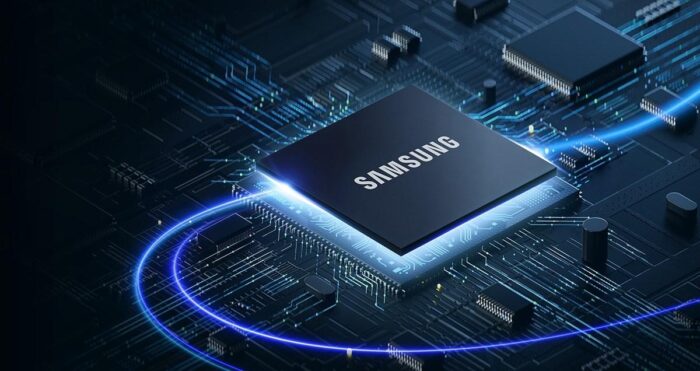
Samsung Electronics plans a major increase in semiconductor spending as it moves to strengthen its position in the AI market.
According to Yahoo Finance, the company will invest over 110 trillion won, or about $73.3 billion, in chips and research and development in 2026. This represents a 22% increase compared to last year and signals a stronger focus on AI-driven technologies.
Samsung targets AI memory leadership
Samsung’s planned investment surpasses the roughly $50 billion capital expenditure expected from TSMC, showing how aggressively the company wants to compete in the semiconductor space.
The main objective is to regain leadership from SK Hynix, which currently dominates the high-bandwidth memory market used in Nvidia AI accelerators. This type of memory has become essential for modern AI workloads, making it a key battleground for chipmakers.
Samsung is shifting its efforts toward AI-focused products, including high-bandwidth memory, server-grade storage, advanced foundry processes, and next-generation AI chips. The company has already showcased more power-efficient HBM4E memory, indicating progress in next-generation solutions.
AI demand reshapes production priorities
Co-CEO Jun Young-hyun highlighted that demand driven by agentic AI is accelerating the need for more advanced semiconductor technologies. As AI systems expand, they require faster and more efficient memory, pushing companies like Samsung to adapt quickly.
This shift toward AI production is also affecting supply across the industry. As more manufacturing capacity goes toward AI chips, traditional memory products are becoming harder to produce in sufficient quantities.
Industry expectations suggest that these shortages may continue for years. SK Group’s chairman has indicated that structural limits in semiconductor production could keep supply tight until 2030.
Broader impact across the chip industry
Samsung’s strategy reflects a wider trend across the semiconductor sector. Companies such as Micron Technology are also benefiting from increased demand for AI-related memory products.
At the same time, collaboration is becoming more important. Samsung and AMD have already partnered to develop next-generation AI memory technologies, aiming to strengthen their competitive position in the evolving market.
With this large-scale investment, Samsung is positioning itself to play a leading role in the AI hardware race while intensifying competition with major players across the industry.

Read our disclosure page to find out how can you help Windows Report sustain the editorial team. Read more



Improve this guide



User forum
0 messages