
Steam Hardware Rollout Slowed by DRAM Shortages, Steam Deck 2 Development Lags
Steam Controller revealed first due to no RAM dependency


 3 min. read
  Published on
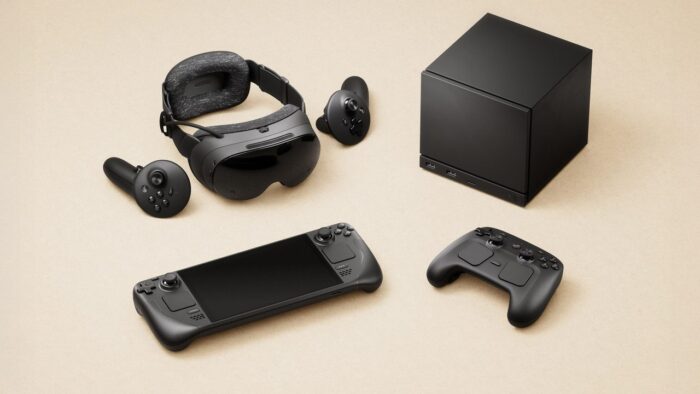
Valve has unveiled the pricing for the Steam Controller while delaying broader hardware announcements due to ongoing memory supply issues. The move highlights how component shortages continue to shape release timelines across the company’s ecosystem.
The decision to release the controller first comes down to practicality. Unlike other upcoming devices, it does not depend on DRAM, making it easier to produce and ship in the current market conditions.
Steam Controller Launch Moves Ahead of Other Devices
As reported by TechPowerUp, Valve initially planned to launch the Steam Controller alongside the Steam Machine. That plan changed due to volatility in DRAM pricing and supply constraints affecting hardware production.
Steve Cardinali confirmed that Valve does not require all devices to launch simultaneously. This allowed the company to move forward with the controller while finalizing details for the rest of its lineup.
The Steam Controller remains positioned as a companion device for the Steam Machine. However, the staggered rollout suggests Valve now prioritizes flexibility over synchronized launches.
DRAM Shortages Continue to Disrupt Valve’s Hardware Plans
Memory shortages have become a major obstacle for Valve’s upcoming devices. The Steam Machine faces the biggest impact because it relies heavily on on-package and mobile RAM.
Brad Lynch reports that the Steam Frame appears less affected by these constraints. If supply issues persist, Valve could release Steam Frame ahead of the Steam Machine, reversing the originally expected order.
Valve continues to work on pricing and release timing for the Steam Machine. The company has not confirmed a final launch window yet.
Steam Deck 2 Development Focuses on a Major Leap
Valve also confirmed ongoing work on the next-generation Steam Deck. In an interview with IGN, Pierre-Loup Griffais explained that the company is not interested in incremental upgrades.
Instead of releasing a minor refresh, Valve aims for a meaningful generational leap in performance. The goal includes higher power without compromising battery life.
This approach means the Steam Deck 2 will depend on future advancements in system-on-chip technology. Valve has no fixed timeline and will release the device only when the hardware meets its expectations.
A Gradual Rollout Strategy for Valve’s Ecosystem
Valve’s current strategy reflects a shift toward staggered hardware releases. By launching products independently, the company can adapt to supply chain challenges without delaying its entire lineup.
While the Steam Controller arrives first, the broader ecosystem will take more time to materialize. Steam Machine pricing and availability remain pending, and Steam Deck 2 development continues without a defined release window.
The situation shows how hardware innovation now depends as much on supply stability as on technological progress.

Read our disclosure page to find out how can you help Windows Report sustain the editorial team. Read more



Improve this guide


User forum
0 messages