
NVIDIA Reportedly Reduces Rubin HBM4 Bandwidth Target Amid Supply Constraints


 2 min. read
  Published on
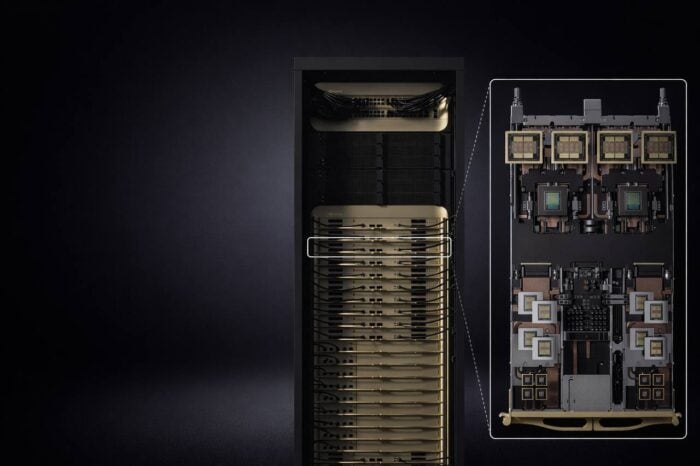
NVIDIA has reportedly scaled back its original HBM4 bandwidth goals for Rubin ahead of launch, as memory suppliers work through production limits.
Even with the adjustment, Rubin is still expected to fuel major HBM4 demand across the AI hardware market.
NVIDIA Lowers Rubin HBM4 Performance Target Amid Supply Constraints
According to TechPowerUp, NVIDIA has adjusted its HBM4 memory expectations for the upcoming “Rubin” GPUs after suppliers faced challenges reaching the company’s original bandwidth goals.
NVIDIA initially targeted 22 TB/s of total memory bandwidth for the Rubin platform. Early shipments, however, are now expected to deliver closer to 20 TB/s, which translates to roughly 10 Gbps per pin for HBM4.
Bandwidth Targets Scaled Back
NVIDIA’s Rubin roadmap shows how ambitions evolved over time. In March 2025, the company reportedly aimed for 13 TB/s on the VR200 NVL72 system. By September 2025, that figure increased to 20.5 TB/s, and at CES 2026, NVIDIA confirmed a 22 TB/s target.
The new 20 TB/s expectation marks a slight step down from those peak projections. While still industry-leading, the adjustment suggests that supplier limitations are influencing real-world performance.
Supplier Pressure on SK hynix and Samsung
Current HBM4 supply for Rubin is expected to come exclusively from SK hynix and Samsung. SemiAnalysis reports that SK hynix will supply around 70% of HBM4 for VR200 NVL72 systems, while Samsung will account for the remaining 30%.
Micron has reportedly exited the HBM4 supply chain for Rubin. Instead, Micron is expected to provide LPDDR5X memory for the “Vera” CPUs, which can support up to 1.5 TB of system memory.
This shift allows Micron to focus on CPU-side memory, offsetting its absence from the HBM4 segment.
AMD’s Instinct MI455X accelerator offers 19.6 TB/s of memory bandwidth. NVIDIA’s original 22 TB/s target would have placed Rubin clearly ahead. Even at around 20 TB/s, Rubin is expected to maintain a competitive edge, though with a narrower margin than previously projected.
NVIDIA had planned to achieve higher bandwidth through faster DRAM speeds and improved interconnects across CPU, GPU, and system fabric. Supplier constraints now appear to limit how far those ambitions can go in initial shipments.
Despite the adjustment, Rubin remains positioned as a flagship AI platform with aggressive performance goals. In related developments, NVIDIA has already shipped its first Vera Rubin VR200 samples to customers, while Samsung continues refining HBM4E memory with significant power efficiency gains.

Read our disclosure page to find out how can you help Windows Report sustain the editorial team. Read more



Improve this guide


User forum
0 messages