
How to Fix White Screen & Blank Pages on Google Chrome


 5 min. read
  EEST
EEST

If you’re facing the Chrome white screen problem, you’re not alone. Many users report the Google Chrome white screen error when opening the browser, causing it to display nothing but a blank page. This issue, sometimes called the Chrome white screen of death, can happen on startup, when visiting certain sites, or even mid-session. Here’s how to fix it.
Why does Chrome show a white screen?
The Google Chrome completely white screen error usually appears due to GPU hardware acceleration conflicts, corrupted browser data, problematic extensions, or outdated settings. In some cases, Chrome’s internal rendering process fails to load web content, leaving you with a Google Chrome blank white screen instead of the expected page.
How can I fix Google Chrome’s white screen problems?
Table of contents
- How can I fix Google Chrome’s white screen problems?
- 1. Uninstall and reinstall Google Chrome
- 2. Turn off hardware acceleration and background apps in Safe mode
- 3. Clear cache to fix Chrome opens to a white screen
- 4. Rename the User Data folder
- 5. Disable all extensions
- 5. Reset the browser
- 6. Edit the shortcut target to fix page loads and then goes blank on Chrome
- 7. Update Your Graphics Drivers
1. Uninstall and reinstall Google Chrome
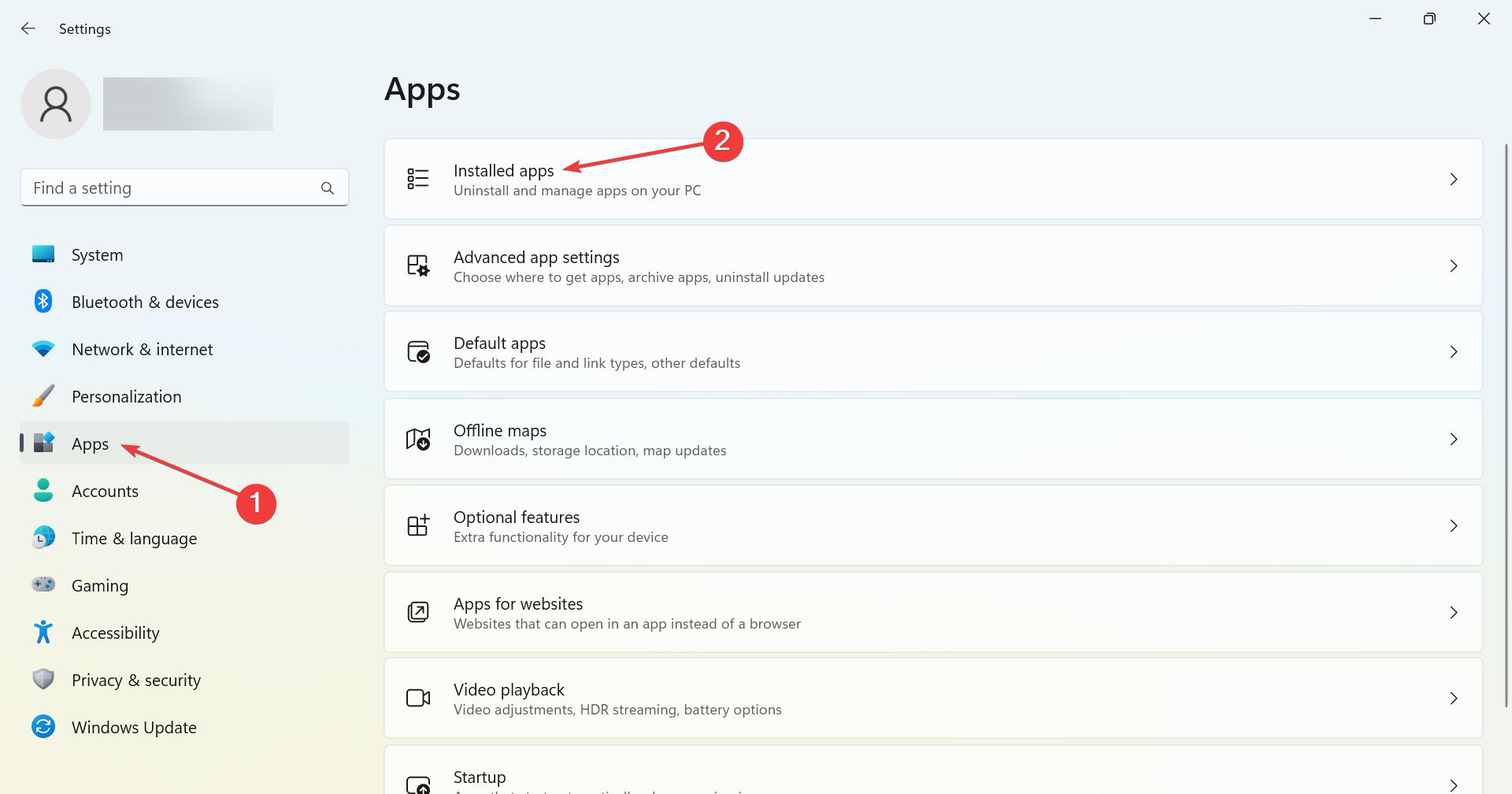
- Press Windows + I to open Settings, select Apps from the navigation pane, and then click on Installed apps.

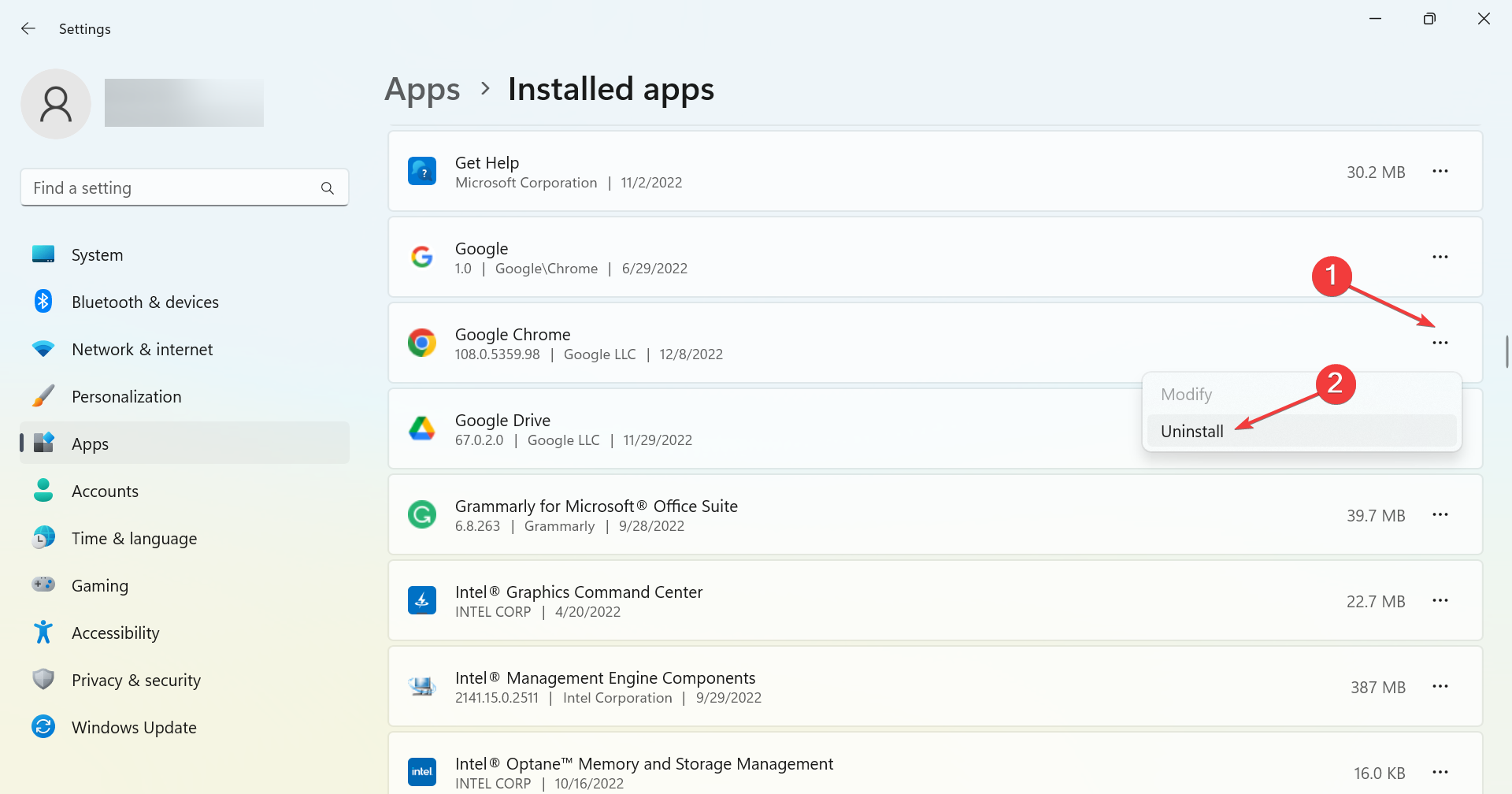
- Locate Google Chrome, click on the ellipsis next to it, and select Uninstall from the flyout menu.
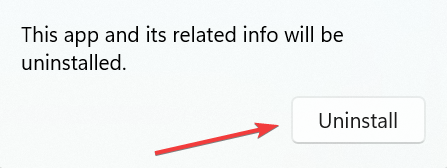
- Again, click on Uninstall in the confirmation prompt.

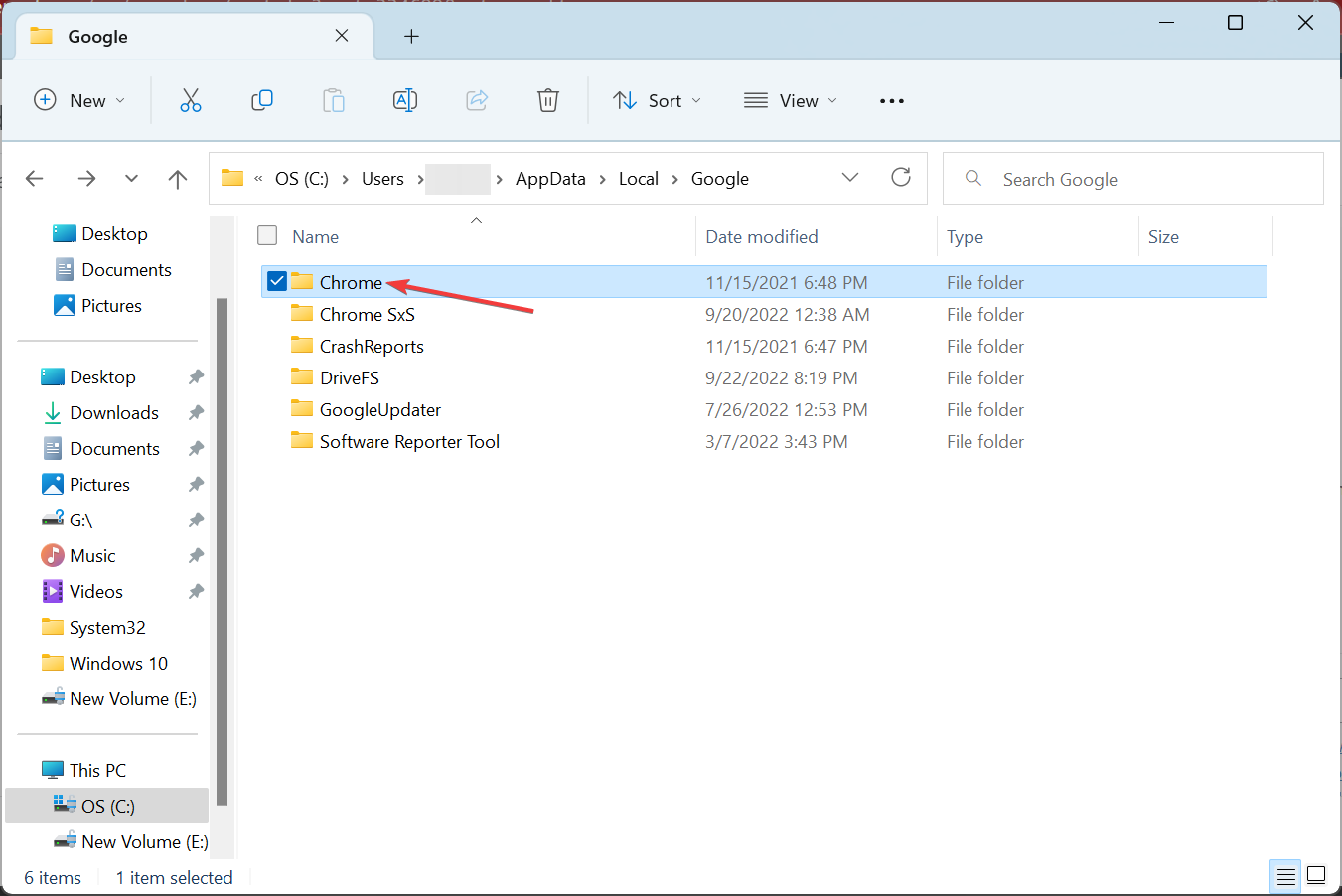
- Once done, navigate the following path, where the Username is the current account name, and then delete the Chrome folder here:
C:\Users\Username\AppData\Local\Google
- Finally, download Chrome and install it all over again.
We know that reinstalling Chrome may feel drastic, but it only takes 2-3 minutes and after logging back into your account, all the settings and bookmarks will be back as if nothing happen.
Completely uninstalling and reinstalling Google Chrome will fix this problem. Right after reinstalling it, make sure you also install its latest update.
2. Turn off hardware acceleration and background apps in Safe mode
- Close Chrome completely, then right-click on the Chrome shortcut icon and select Properties.
- In the Properties window, add the flag –safe-mode to the end of the Target field.
- Click Apply and then OK.
- When you start Chrome again, it should open in Safe Mode.
- Now, enter chrome://settings/system in the address bar and hit Enter.
- Look for Use hardware acceleration when available and Continue running background apps when Google Chrome is closed and turn these features to OFF.
- Now, close Chrome and start it normally, without the –safe-mode flag.
3. Clear cache to fix Chrome opens to a white screen
- Press Chrome’s Ctrl + Shift + Delete hotkey to open its Clearing browsing data window.
- Select All time from the Time range drop-down menu.

- Tick the checkboxes for Browsing history, Cookies and other site data, and Cached images and files, and then click on the Clear data button.

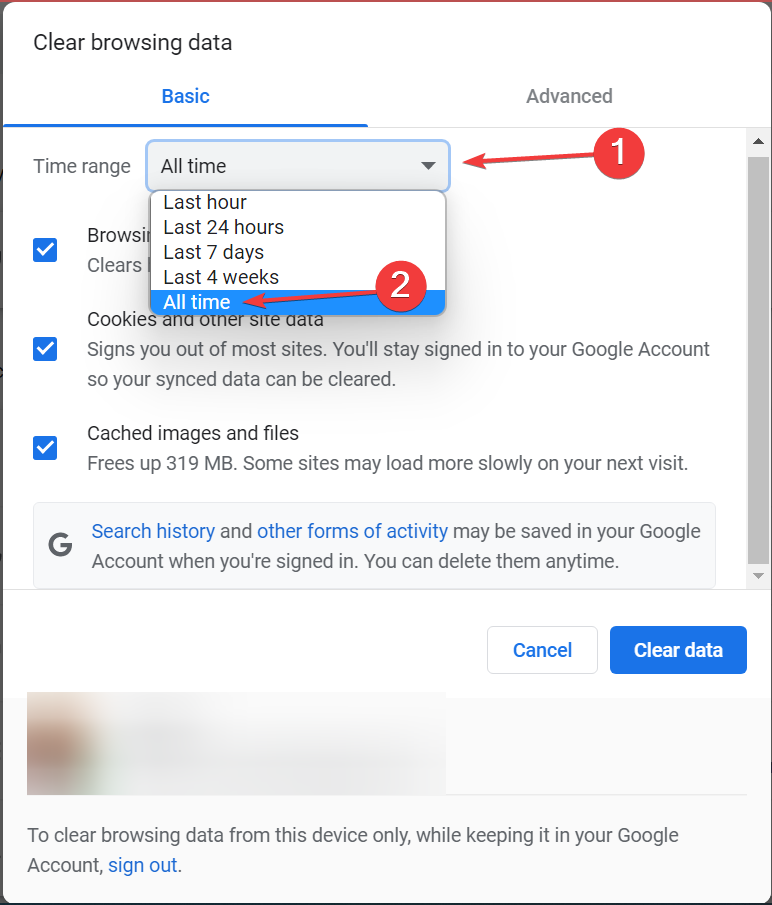
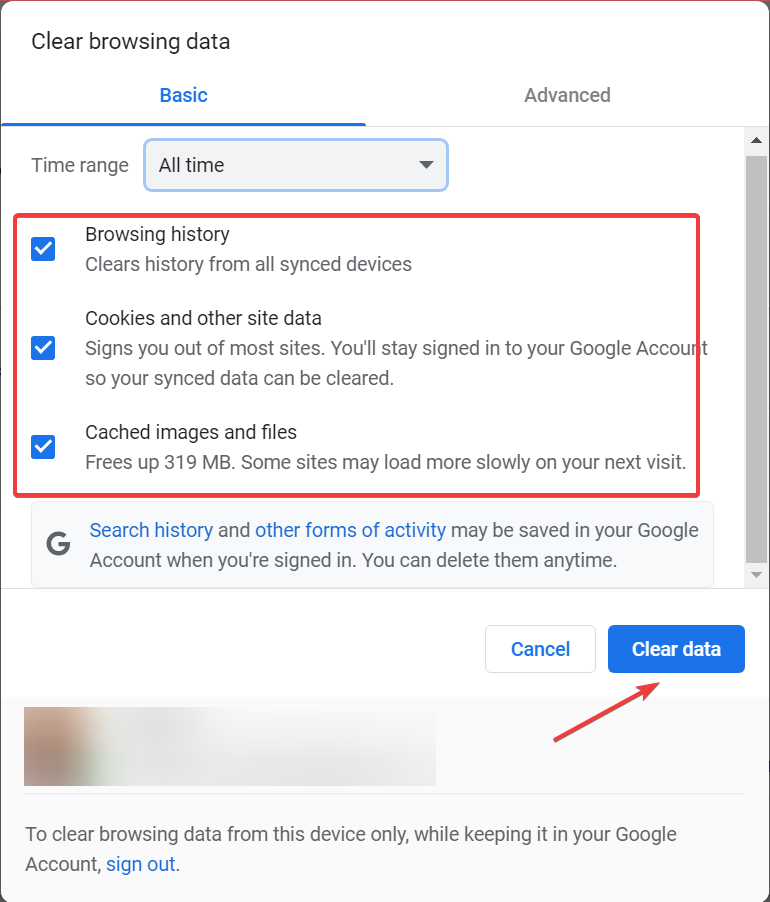
If clearing the cache doesn’t work in normal mode, use the first steps in the previous solution to start Chrome in Safe mode first.
4. Rename the User Data folder
- Close Google Chrome.
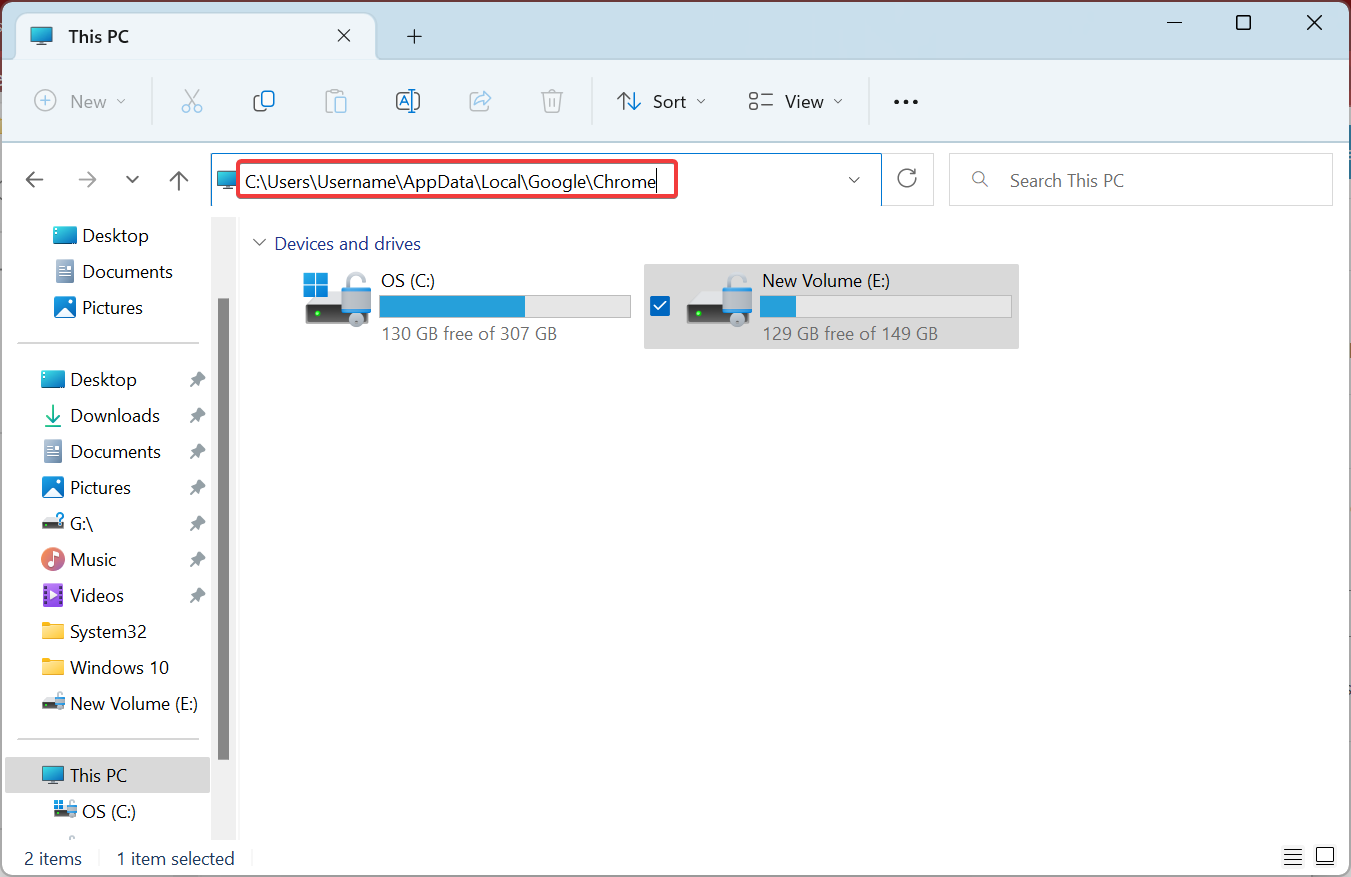
- Press Windows + E to open File Explorer, and navigate the following path, where the Username is the currently active account on the PC:
C:\Users\Username\AppData\Local\Google\Chrome
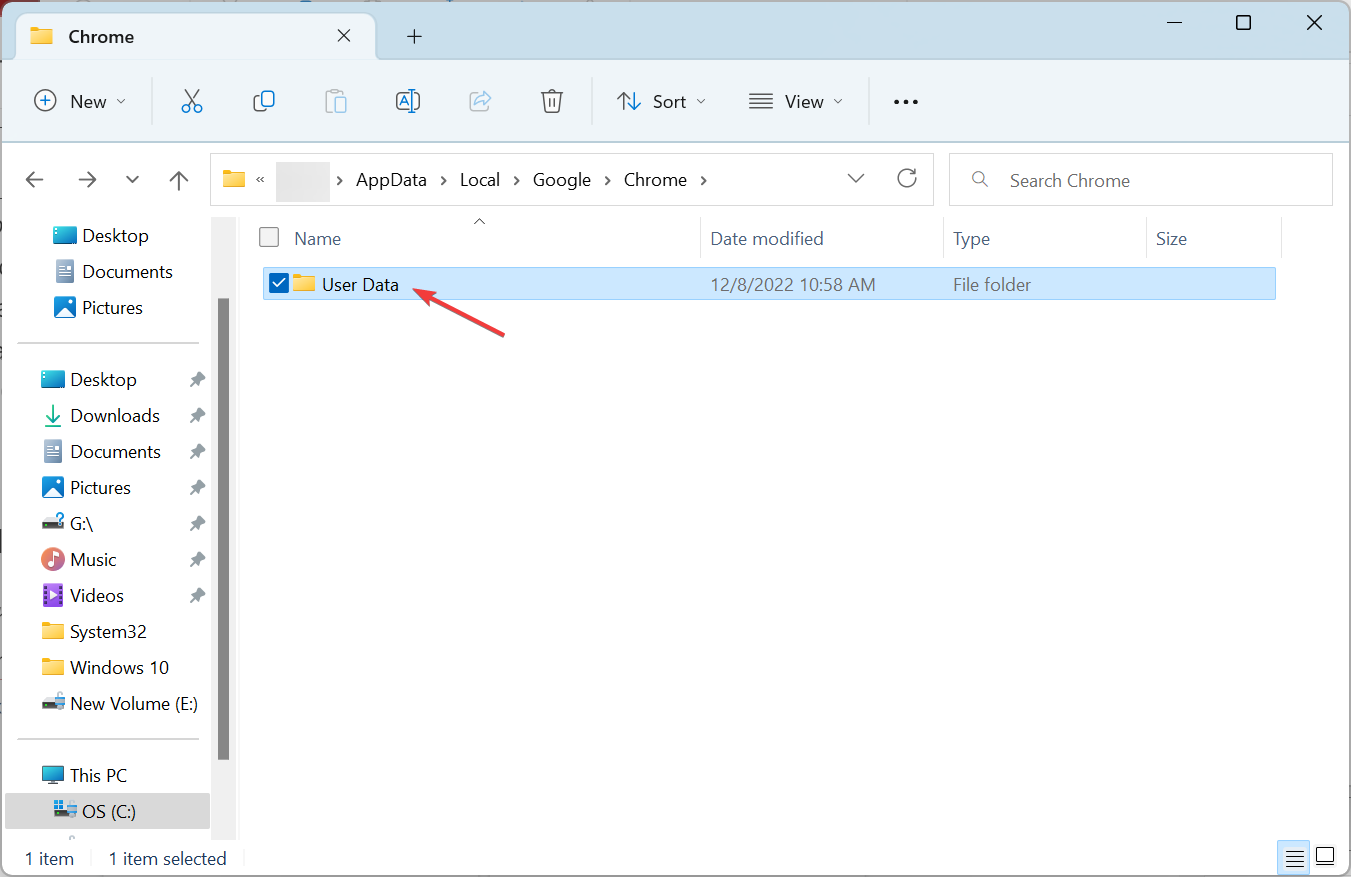
- Now, rename the User Data folder to User Data Old.
- Then, relaunch Chrome, and it will create the User Data folder again.
5. Disable all extensions
- Launch Chrome, paste the following path in the address bar, and hit Enter:
chrome://extensions/ - Turn off the toggle for the extension that you want to disable.

- Then, repeat that for all the installed extensions.
- Finally, check if the problem is resolved.
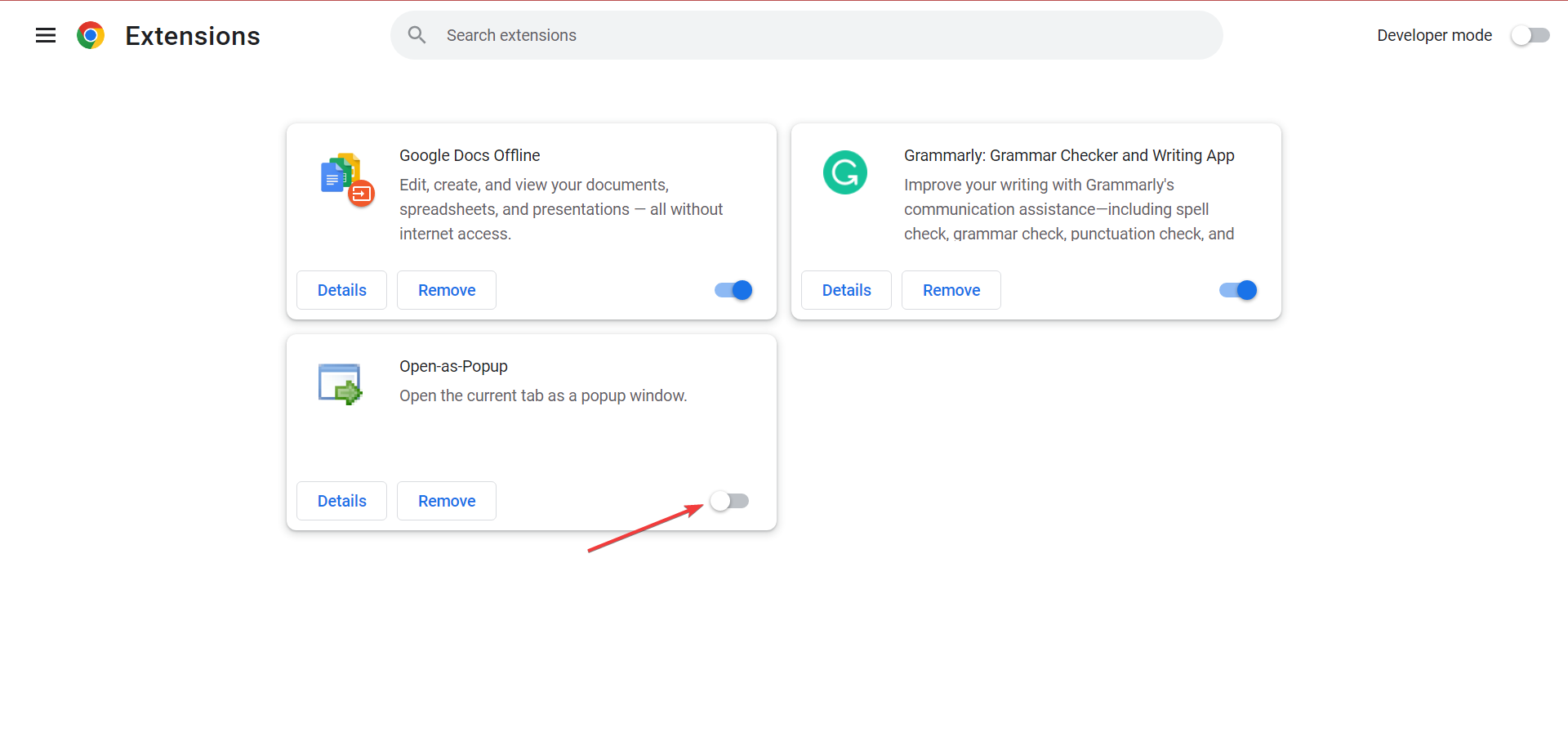
If the white screen in Chrome doesn’t appear anymore, enable the extensions one by one until you recreate the problem and identify the one responsible for it.
Now, you can remove that extension and safely allow the rest.
5. Reset the browser
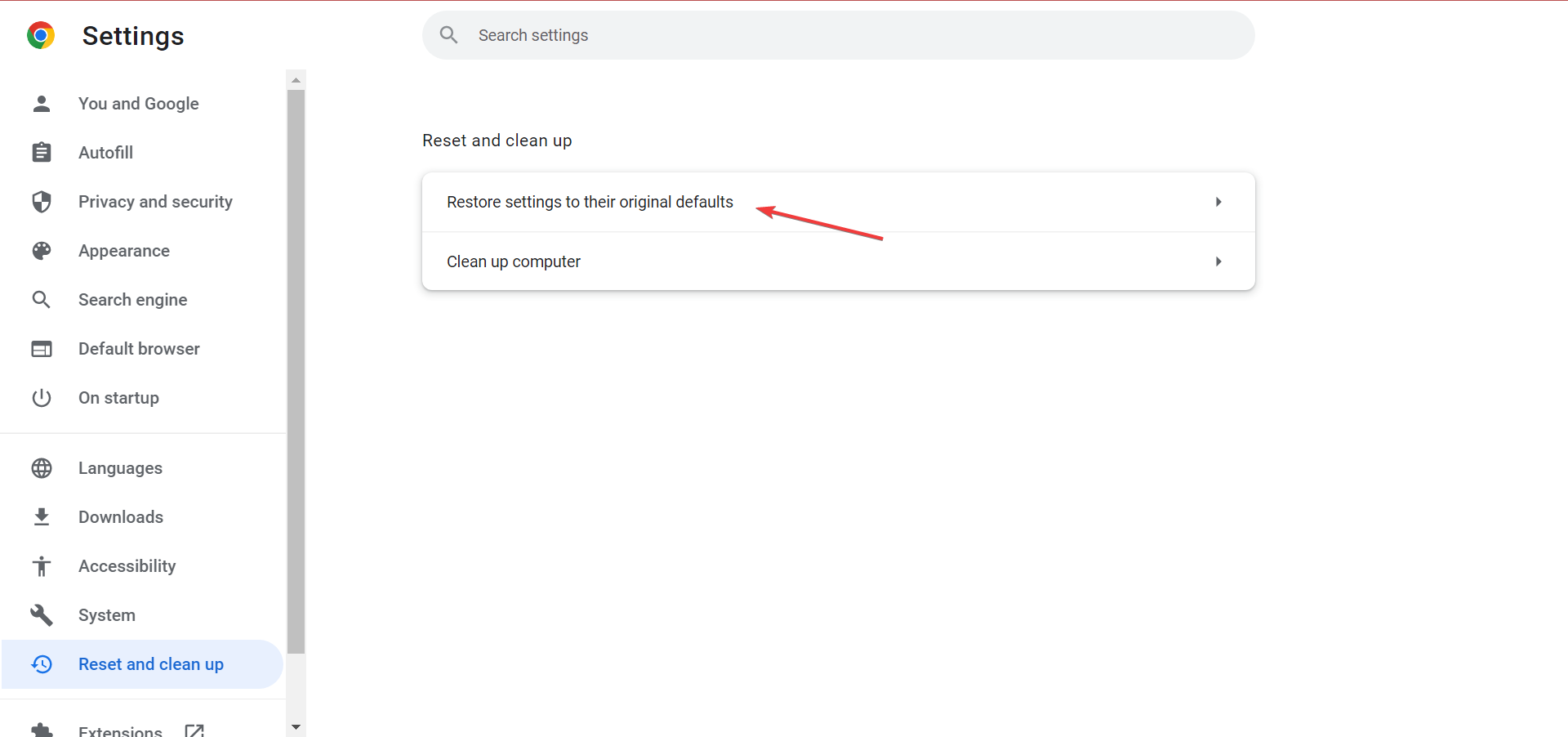
- Launch Chrome, paste the following path, and hit Enter to open the Reset and clean up settings:
chrome://settings/reset - Next, click the Restore settings to their original defaults option.
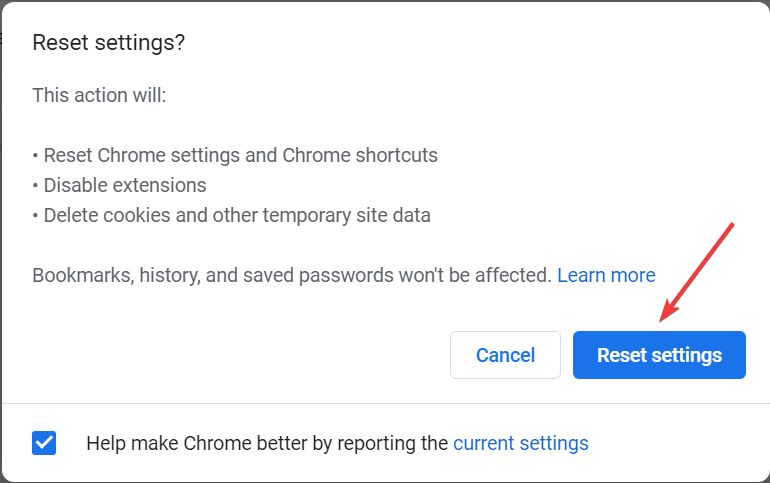
- Then select the Reset settings option.

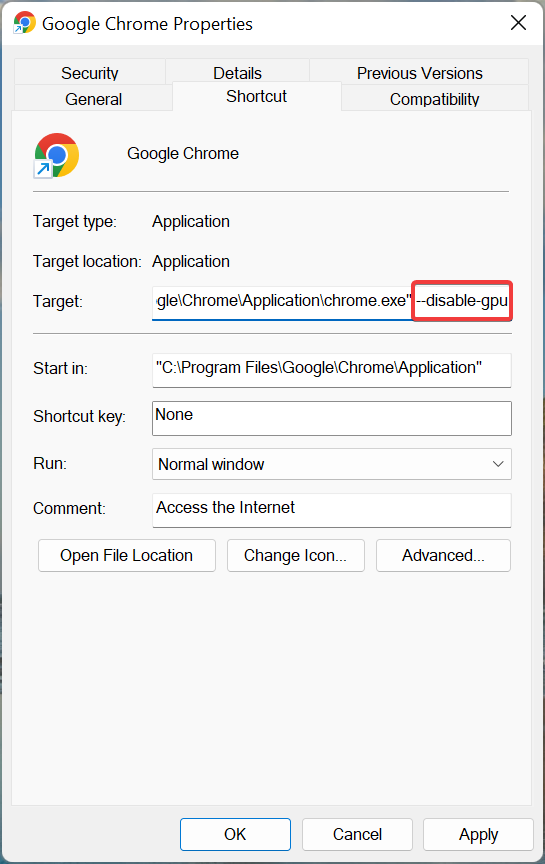
6. Edit the shortcut target to fix page loads and then goes blank on Chrome
- First, make sure that Google Chrome is fully closed.
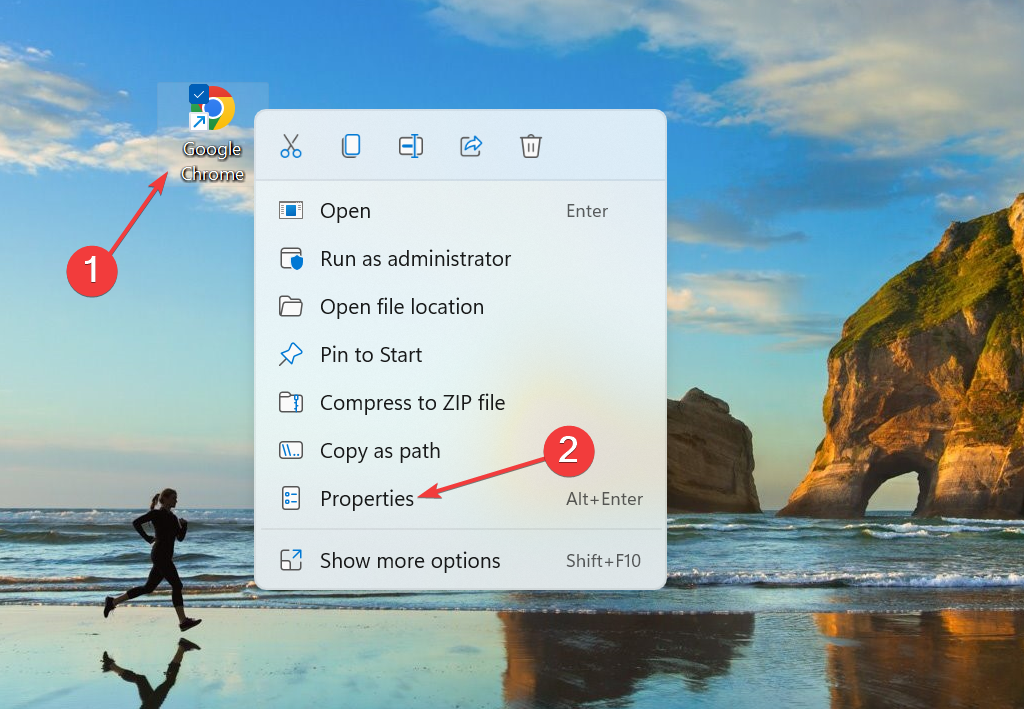
- Right-click Chrome’s shortcut icon and select Properties.

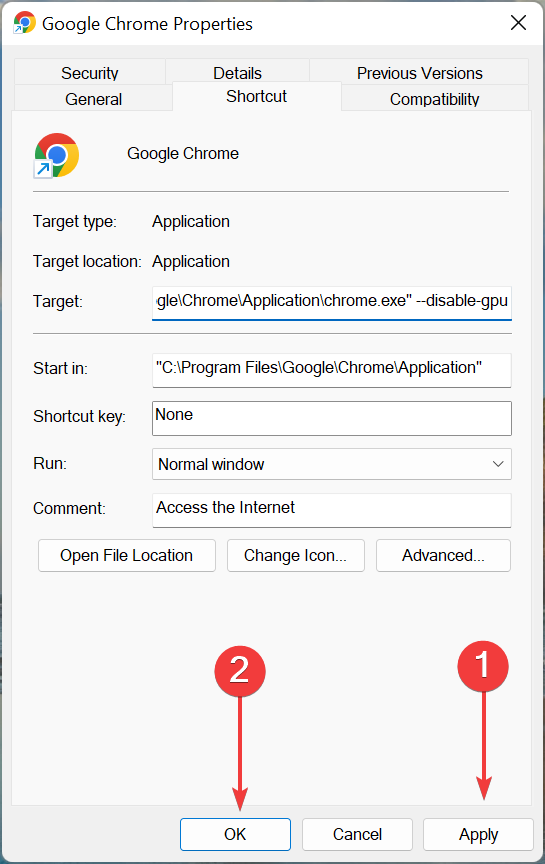
- Enter –disable-gpu at the end of the Target text box.

- Click on Apply and then OK to save changes.
7. Update Your Graphics Drivers
The Chrome white screen on startup can be caused by outdated or faulty GPU drivers. Updating them often resolves rendering errors.
- Press Windows + R, type
devmgmt.msc, and press Enter. - Expand Display adapters.

- Right-click your graphics device and choose Update driver.
- Select Search automatically for drivers.

To avoid installing the wrong driver, you can use a dedicated driver updater tool like PCHelpSoft Driver Updater, which scans your system and installs the correct GPU drivers automatically.
These are all the ways you can quickly resolve Google Chrome’s white screen in Windows. Sometimes this issue affects just a single website, and we wrote about that in our Twitch white screen in Chrome guide.
Also, find out what to do if Chrome is not responding or working or if you encounter a Chrome untitled error on your PC.
Did you manage to fix this problem with a different solution? Let us know in the comments section below.

Read our disclosure page to find out how can you help Windows Report sustain the editorial team. Read more



Improve this guide


User forum
4 messages